The recent issuance of the Bank Accounts Attachment Notice marks a significant development for M/s Chandrima Mercantiles Limited and several individuals, as it pertains to serious allegations of price manipulation involving Quasar India Limited. Dated June 29, 2026, and identified by AP No. 15508 & 15509 of 2026, this notice details the attachment of not just bank accounts but also demat accounts of numerous listed defaulters. This action is a crucial step under Recovery Certificate No. 9155 of 2026, aiming to recover losses tied to manipulative market practices. Stakeholders in the financial and investment sectors must pay close attention to these developments, as they could influence market stability and investor confidence. Understanding the implications of such a notice is vital for anyone involved in stock trading or asset management, given the evolving regulatory landscape.
An official notification regarding the attachment of financial accounts has been issued, targeting individuals and corporate entities linked with Chandrima Mercantiles Limited. This notification, focusing on accounts related to the manipulation of stock prices and volumes concerning Quasar India Limited, underscores the significant legal and financial consequences of engaging in such dubious activities. The attachment notice serves as an essential legal tool under the Recovery Certificate framework, aiming to safeguard the integrity of financial markets. By employing strong enforcement measures, regulators are sending a clear message to ensure compliance and deter any future malpractices. The ramifications of these actions extend beyond the involved parties, potentially affecting a broader network of investors and market participants.
Understanding the Bank Accounts Attachment Notice
The Notice of Attachment of Bank Accounts serves as an important legal document that informs individuals and entities about the attachment process initiated against their bank and demat accounts. In the case against M/s Chandrima Mercantiles Limited, this notice signifies significant actions taken due to allegations of price manipulation in the market. Such notices are typically linked to Recovery Certificates and highlight the financial and legal consequences that come with non-compliance in financial dealings.
Once a Bank Accounts Attachment Notice is issued, it restricts the movements and accessibility to specified funds within affected accounts, creating a lapse that can significantly alter liquidity for individuals involved. Especially in scenarios involving public scrutiny and possible criminal undertakings, such notifications impact not only the direct parties listed but also the broader implications for trading activities, investor trust, and market stability. Parties wishing to challenge such attachments must promptly respond through legal avenues to avoid greater financial liabilities.
The Role of Demat Accounts in Financial Transactions
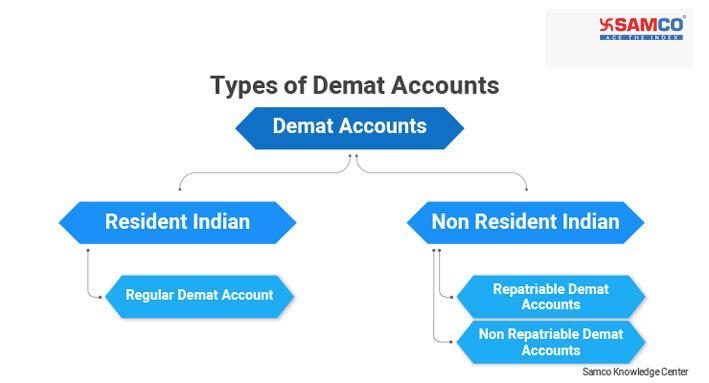
Demat accounts play a critical role in the management and trading of securities in the financial market. By converting physical shares into electronic form, these accounts simplify transactions for investors and institutions alike. However, in cases of investment misconduct, such as the price manipulation attributed to Quasar India Limited, these accounts become focal points during legal investigations and recovery actions. The attachment of a demat account, as seen with the involved parties in Chandrima Mercantiles Limited, can drastically limit an individual’s ability to trade or liquidate assets.
Moreover, the complexities in demat transactions arise as they are often linked to various regulatory mandates meant to promote transparency in ownership and trading practices. The financial authorities maintain tight surveillance of these accounts to identify irregular activities and enforce compliance. Therefore, an attachment notice not only signals potential wrongdoing but also serves as a precautionary measure for investors to reassess their securities to safeguard against similar pitfalls.
Legal Consequences of Price Manipulation
Price manipulation constitutes a serious offense in the trading sector, carrying significant legal repercussions for those found guilty. The manipulation of prices, as it occurred with Quasar India Limited, can distort market dynamics, misleading other investors and ultimately undermining the integrity of the trading ecosystem. The attachment of bank and demat accounts, as seen with M/s Chandrima Mercantiles Limited, is a procedural step taken by regulatory bodies to safeguard investor interests and maintain market fairness.
Responding to allegations of price manipulation requires meticulous attention to legal framework and due process, especially for the individuals named in the attachment notice. The Recovery Certificate issued against the defaulters indicates a structured legal route to recover losses incurred by market manipulation. This process not only holds individuals accountable but also serves as a deterrent to others who might consider engaging in similar illicit practices, thereby reinforcing ethical standards in financial trading.
Implications of Recovery Certificates in Financial Law
Recovery Certificates are instruments used by authorized bodies to recover dues from individuals or entities accused of financial misconduct such as price manipulation. In the context of the case against M/s Chandrima Mercantiles Limited, the issuance of Recovery Certificate No. 9155 in 2026 has broad implications for how justice is pursued in financial markets. These certificates empower authorities to enforce the attachment of bank accounts and demat accounts to ensure restitution for affected parties.
The legal framework surrounding Recovery Certificates is designed to streamline the process of reclaiming assets and addressing grievances arising from fraudulent activities. It emphasizes the importance of transparent and accountable trading practices while providing a mechanism to safeguard the interests of defrauded investors. The implications are extensive, as financial institutions and individual investors alike must navigate the legal landscape shaped by such certificates to mitigate their risks and comply with regulatory standards.
Challenging a Notice of Attachment
An individual or entity facing a Notice of Attachment has the right to challenge such a decision in appropriate legal forums. The inscription of bank accounts and demat accounts under this notice requires a comprehensive understanding of the legal grounds on which these actions were based. In cases like those involving M/s Chandrima Mercantiles Limited, it is crucial to gather sufficient evidence that counters the allegations of price manipulation laid against them.
Challenging a Notice of Attachment necessitates strategic legal intervention, where individuals may seek to provide proof of legitimate trading practices and contest claims made in the Recovery Certificate. Engaging a legal representative proficient in financial law can enhance the chances of successfully disputing these attachments, potentially leading to the restoration of access to frozen accounts and lessening further financial liabilities.
The Importance of Compliance in Trading Activities
Compliance in trading activities is vital for maintaining the integrity of financial markets. When individuals or firms engage in practices such as price manipulation, as seen in the actions against Quasar India Limited, they not only jeopardize their standing but also affect the entire market ecosystem. Compliance regulations necessitate transparency and accountability in each transaction, and failure to adhere to these standards can lead to severe consequences, including attachment notices against bank accounts and demat accounts.
For traders and investors, upholding compliance translates to sustained trust and reliability among market participants. It sets a precedent for ethical trading practices, deterring potential malpractices within the industry. As evidenced by the ongoing case against M/s Chandrima Mercantiles Limited, non-compliance consequences emphasize the necessity of conducting business in a manner that reflects financial diligence and regulatory adherence.
Navigating Legal Obligations Post-Attachment Notice
Once a Bank Accounts Attachment Notice has been issued, affected parties must navigate their legal obligations carefully. It is essential to understand the scope of the attachment, as it involves significant rights associated with one’s financial resources and investments. For individuals such as those associated with Chandrima Mercantiles Limited, immediate legal consultation becomes critical to assess options for lifting the attachment and responding to the underlying allegations of price manipulation.
Legal obligations following an attachment notice include timely responses and any required documentation to contest the notice effectively. It may also involve assessments of past trading and financial behavior to substantiate defenses against any claims made under the Recovery Certificate. Ensuring compliance with legal requirements and thorough preparation for possible hearings can greatly influence the outcome for those whose accounts have been attached.
Preventing Future Attachments: Best Practices
To prevent future attachments of bank and demat accounts, individuals and companies must adopt best practices in compliance and risk management. Education on the legal implications of trading, as well as adherence to ethical guidelines, reduce the chances of triggering regulatory actions such as those seen against M/s Chandrima Mercantiles Limited. This can involve engaging financial experts or legal consultants who specialize in compliance to ensure that all trading activities meet the requisite legal standards.
Establishing a robust internal compliance program that includes regular audits and employee training on market conduct can further mitigate risks associated with price manipulation and related offenses. These proactive measures can reinforce an organization’s reputation and protect against the repercussions of potential attachments, fostering an environment that prioritizes ethical practices and transparency in financial dealings.
Assessment of Market Conduct and Reputation Management
Market conduct significantly influences an entity’s reputation, especially in the wake of financial controversies such as the one involving price manipulation. For companies like M/s Chandrima Mercantiles Limited, maintaining a positive market reputation becomes increasingly challenging following attachment notices and legal actions stemming from the Recovery Certificate. Stakeholders, including investors and customers, often scrutinize an organization’s trading history to gauge integrity when making decisions.
Engaging in transparent communication and rectifying any prior market behavior is essential for reputation management. By taking accountable steps and publicly addressing allegations, affected parties can work towards restoring their standing in the market. Strategies may include formal apologies, public relations campaigns, and a commitment to changing practices, thus aiding in reestablishing trust and ensuring future compliance.
Frequently Asked Questions
What is a Bank Accounts Attachment Notice in relation to Chandrima Mercantiles Limited?
A Bank Accounts Attachment Notice is a legal document that indicates the attachment of bank accounts, including demat accounts, of a defaulter, which in this case is Chandrima Mercantiles Limited. This notice arises due to findings of price manipulation in the shares of Quasar India Limited, as outlined in Recovery Certificate No. 9155 of 2026. It serves to inform the involved parties about the legal action taken to recover debts or losses incurred by the manipulation activities.
| Key Points |
|---|
| Notice of attachment related to bank accounts and demat accounts. |
| Case reference: AP No. 15508 & 15509 of 2026 dated June 29, 2026. |
| Involves multiple individuals and M/s Chandrima Mercantiles Limited. |
| Concern: Price and volume manipulation in Quasar India Limited’s scrip. |
| Actions taken under Recovery Certificate No. 9155 of 2026. |
Summary
The Bank Accounts Attachment Notice serves as an essential document informing individuals and organizations about the official action taken against M/s Chandrima Mercantiles Limited and several individuals for alleged price and volume manipulation connected to their transactions in the shares of Quasar India Limited. Issued under the AP No. 15508 & 15509 of 2026 on June 29, 2026, this notice highlights the legal ramifications of market misconduct and underscores the importance of compliance in financial dealings. The Recovery Certificate No. 9155 of 2026 further establishes the basis for taking such actions, ensuring accountability among the listed defaulters, which include prominent figures and entities in the financial ecosystem.