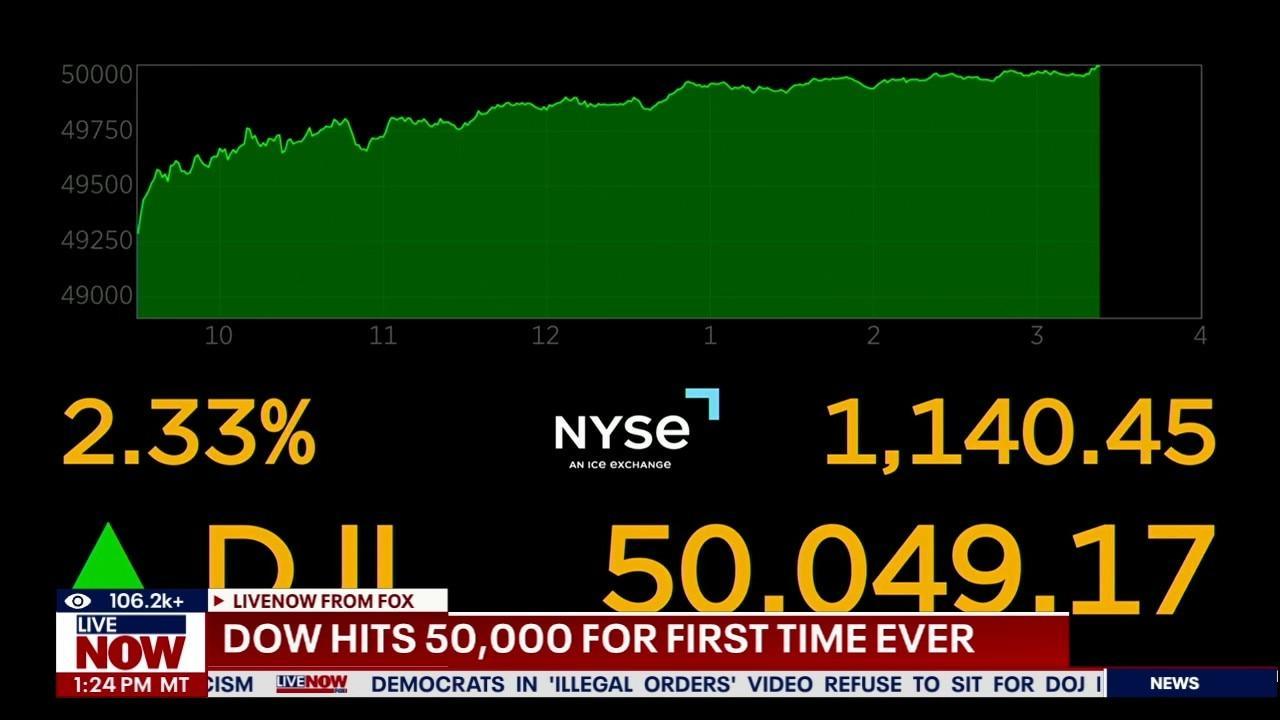
In a remarkable display of resilience, the Dow hits record highs, showcasing the enduring strength of the US economy. As the Nasdaq surges alongside a notable rebound in tech stocks, investors are finding optimism despite rising US-Iran tensions and fluctuating crude oil prices. This monumental achievement in the stock market comes as semiconductor shares face mounting pressure, sparking discussions about potential overvaluation in the sector. The recent positive trajectory of major US indices has reignited interest among traders and analysts alike, keeping market dynamics fluid and engaging. As we delve into the nuances of this market surge, the interactions among key factors will be explored, revealing why now is a pivotal moment for investors.
The recent performance of the financial markets has captivated attention, particularly with the all-time highs being reached by the Dow Jones Industrial Average. This surge is fueled by a combination of factors, including a significant rebound in technology equities and the influence of geopolitical events on energy prices. Observers note that while tensions between the US and Iran have created uncertainty, they have not deterred the overall upward momentum of the stock market. Investors remain keenly focused on how fluctuations in crude oil prices and concerns over semiconductor valuations will affect market stability. As we unpack these developments, it becomes clear that the landscape of investing today is as dynamic as ever.
Dow Hits Record Amid Market Optimism
The Dow Jones Industrial Average has reached a fresh record, reflecting a wave of investor optimism that has swept through Wall Street. This surge is driven in part by a rebound in tech stocks, which have shown resilience even amid geopolitical tensions. As the market reacts to these dynamics, investors appear more confident, buoyed by the prospect of continued economic growth despite external pressures.
The record-breaking performance of the Dow signals robust investor sentiment and a thriving economy. Factors such as strong earnings reports from key companies and a favorable economic outlook have strengthened market positions. This backdrop sets the stage for further capital inflow, particularly into sectors like technology, which are pivotal in driving market growth.
Navigating US-Iran Tensions and Their Market Impact
As tensions between the United States and Iran continue to escalate, crude oil prices have surged, reflecting fears of supply disruptions. This geopolitical instability poses risks for investors, creating volatility within the energy sector. However, major US indices, including the Nasdaq, have remained buoyant, showcasing the market’s ability to weather external shocks.
Investors are advised to monitor developments in US-Iran relations closely, as these could influence crude oil prices significantly. Rising oil costs can lead to inflationary pressures, impacting consumer spending and overall economic growth. Yet, the resilience of tech stocks amid these challenges demonstrates their critical role in maintaining market momentum despite geopolitical uncertainties.
Tech Stocks Rebound: Driving Nasdaq’s Recent Surge
In recent sessions, the Nasdaq has experienced a notable surge, largely fueled by a rebound in the technology sector. This uplift can be attributed to a variety of factors, including strong quarterly results from semiconductor shares, which have historically been market leaders. As investors regain confidence in tech companies, their stock prices have rallied, contributing to the overall growth of the Nasdaq.
Furthermore, the innovation and growth potential within the tech sector continue to attract substantial investments. Companies within areas such as cloud computing, artificial intelligence, and semiconductors are at the forefront of this shift, driving positive market sentiment. This resurgence in tech stocks proves essential for keeping the indices buoyant, even amidst broader economic concerns.
The Role of Semiconductor Shares in Market Performance
Semiconductor shares have been pivotal in influencing market trends, particularly during periods of uncertainty. Although recent market movements indicated pressure on valuations, the tech-heavy Nasdaq’s surge underscores the enduring demand for semiconductor products. As they are crucial for various tech advancements, their performance impacts investor confidence significantly.
Despite concerns over skyrocketing valuations, the long-term growth prospects in the semiconductor industry remain strong. The increasing reliance on technology across all sectors implies a sustainable demand for semiconductors. As such, fluctuations can present opportunities for savvy investors to capitalize on potential undervaluations of leading companies in this space.
Crude Oil Prices and Their Influence on the US Economy
With crude oil prices rising due to heightened geopolitical tensions, the implications for the US economy are vast. Higher energy costs can erode consumer purchasing power, triggering shifts in spending patterns. Consequently, investors must be mindful of these dynamics as they assess market trends and economic indicators.
Moreover, fluctuations in crude oil prices tend to impact inflation rates, which play a crucial role in Federal Reserve policies. The recent hawkish stance from the Fed reflects concerns over inflation and its potential effects on economic growth. Understanding these interconnections enables investors to make more informed decisions in a rapidly changing market environment.
US Jobs Data and Its Market Implications
The upcoming US jobs data is poised to play a pivotal role in shaping market directions. As labor market indicators provide insights into economic health, analysts will closely monitor employment figures to gauge consumer confidence and spending behaviors. Positive job growth can suggest a robust economy, bolstering confidence in equity markets, including the tech sector.
Conversely, any signs of weakness in job data could lead to increased market volatility, particularly affecting investor sentiment. Given the current environment of rising crude oil prices and US-Iran tensions, the labor market’s resilience will be a critical factor influencing policymakers and investors alike in their strategic planning.
Impact of Federal Reserve Policies on Market Dynamics
Recent signals from the Federal Reserve indicate a hawkish approach that may tighten monetary policy in response to inflationary pressures. Such shifts can have profound implications for market dynamics, especially in high-growth sectors like technology. Investors must be vigilant, as changes in interest rates can influence borrowing costs and subsequently, corporate growth trajectories.
Market participants are encouraged to stay abreast of the Fed’s policy developments, particularly how they intersect with economic indicators such as job creation and inflation. Understanding these relationships can provide valuable insights into potential market movements, especially in sectors like tech stocks that tend to react sensitively to interest rate changes.
Geopolitical Events and Market Resilience
Geopolitical events, such as the ongoing tensions between the United States and Iran, often induce market volatility. However, the current resilience shown by major US indices indicates that investors are becoming increasingly adept at navigating such challenges. A diversified portfolio, embracing both growth-oriented and defensive assets, can enhance stability during turbulent times.
Moreover, while geopolitical tensions can lead to short-term fluctuations, the underlying fundamentals of the economy and corporate earnings tend to take precedence over time. This outlook allows investors to remain focused on long-term gains, fostering greater confidence in their investment strategies despite the potential for short-lived market disruptions.
Looking Ahead: Market Expectations
As the markets continue to react to global developments, expectations for the future remain cautiously optimistic. With strong fundamentals supporting the tech sector and key indices like the Dow and Nasdaq reaching new heights, investors are keen to see how these trends play out in the coming months. The focus will likely be on earnings reports, economic data, and geopolitical events that could sway market dynamics.
In conclusion, while challenges such as rising crude oil prices and geopolitical tensions persist, the resilience of the technology sector and overall market strength provide a silver lining. Investors should continue to adopt a strategic approach, considering the broader economic landscape to seize opportunities while being mindful of potential risks ahead.
Frequently Asked Questions
Why did the Dow hit a record amidst US-Iran tensions?
The Dow hit a record due to a rally in tech stocks, which remained resilient despite escalating US-Iran tensions. Investors showed confidence in major US indices, helping the Dow achieve new heights.
What impact do rising crude oil prices have on the Dow hitting a record?
Rising crude oil prices typically create inflationary pressure; however, the Dow hitting a record suggests investor optimism, which may indicate that confidence in economic growth outweighs concerns about rising oil costs.
How is the Nasdaq surge related to the Dow hitting a record?
The Nasdaq surged as tech stocks rebounded, positively influencing investor sentiment across major indices, including the Dow. This broader market support contributed to the Dow hitting a record high.
Why are semiconductor shares a concern for the Dow hitting a record?
Semiconductor shares faced scrutiny due to fears of overvaluation, which could impact overall market stability. Nonetheless, the Dow reached record levels, showing strong demand in other sectors, particularly tech.
What are the implications of a record Dow for investors amid US-Iran tensions?
A record Dow indicates market resilience, suggesting that investors may view the US economy as strong despite geopolitical uncertainties. This confidence can lead to strategic investment choices even amid US-Iran tensions.
| Key Points |
|---|
| Dow hits fresh record amid a strong rally in tech stocks and increasing oil prices. |
| Despite military tensions between Iran and the US causing crude prices to rise, major US indices remained positive. |
| Semiconductor shares are under pressure due to concerns over inflated valuations amid the rebound in technology shares. |
| The yen has fallen to a 40-year low against the dollar, influenced by hawkish signals from the Federal Reserve. |
| Market direction this week will be influenced by US jobs data and the European Central Bank (ECB) forum. |
Summary
The Dow hits record levels as optimism in the markets continues, driven by a robust rebound in tech stocks and rising oil prices. Despite geopolitical tensions between the US and Iran affecting crude purchases, investors remain buoyed, allowing major US indices to thrive. This scenario underscores the resilience of the US market in the face of international challenges, particularly as semiconductor valuations continue to influence market dynamics.