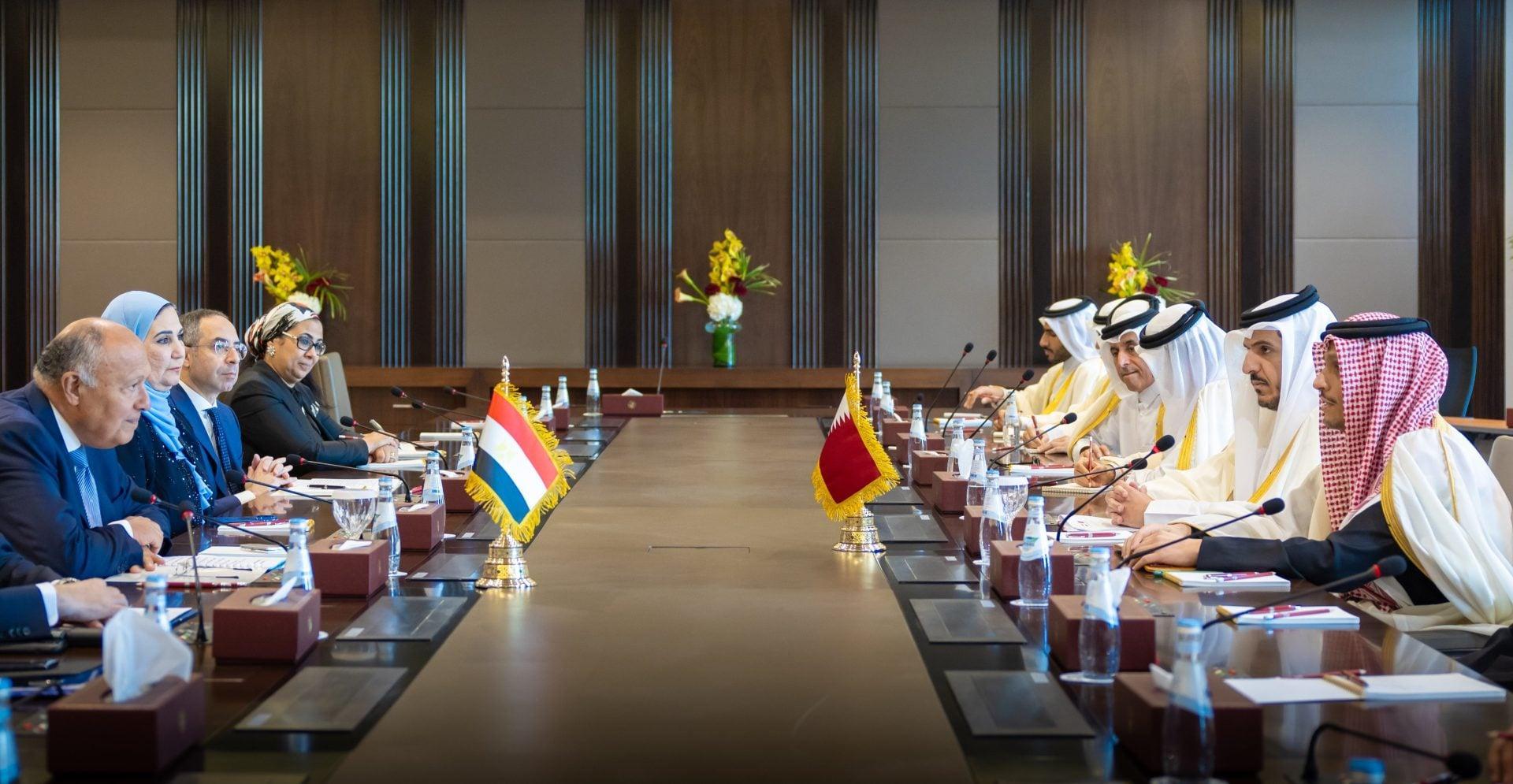
The Iran US negotiations have taken center stage following recent claims by President Donald Trump regarding potential talks in Doha. Amid escalating tensions and military actions in the Strait of Hormuz, Iran’s foreign ministry dismissed any notion of immediate negotiations with the United States. This development comes as both nations agreed to pause military hostilities after a series of retaliatory strikes, complicating the landscape of Iranian foreign policy. The discussions around US Iran talks are particularly pivotal, given the ongoing complexities stemming from military tensions and economic sanctions. As diplomatic efforts fluctuate, all eyes are on the Doha meeting and what it may mean for future relations between the two countries.
In the realm of international diplomacy, recent discussions involving Iran and the United States have captured significant attention. The anticipated talks in Qatar, referred to as the Doha meeting, aimed to address critical issues exacerbated by military engagements near the Strait of Hormuz. With Iran’s military posture and foreign policy being under scrutiny, the negotiations represent a crucial juncture in US Iran relations. Stakeholders are particularly focused on how recent military tensions could influence the potential outcomes of the dialogue between these two nations. Enhanced cooperation or renewed conflict remains a pressing question as both parties navigate this complex geopolitical terrain.
Iran US Negotiations: A Complex Tangle
The diplomatic landscape surrounding Iran US negotiations remains fraught with tension and conflicting narratives. Recently, President Donald Trump claimed that representatives from both nations would convene in Doha, Qatar, to address the escalating conflict in the strategic Strait of Hormuz. However, Iran’s foreign ministry spokesperson, Esmaeil Baghaei, quickly dismissed these assertions, stating that no such talks would occur in the near future. This public denial highlights the complex dynamics at play, underscoring the fragility of any potential dialogue between Washington and Tehran during an era characterized by military tensions and mutual distrust.
Baghaei’s comments reflect a broader trend in Iran’s foreign policy, which has been significantly shaped by recent military escalations and the impact of US sanctions. While talks about negotiations may surface, the central issue remains: Iran’s insistence on having its demands met first, including access to its frozen assets, before engaging in deeper discussions. The expectation of a diplomatic breakthrough seems dim as both sides grapple with past grievances and the overarching goal of denuclearization—a concept that has long colored US-Iran relations.
Military Tensions and Their Impact on Diplomatic Efforts
The backdrop of military tensions has become a dominant theme in discussions about US Iran relations, particularly surrounding the Strait of Hormuz. Following a series of US strikes on Iranian military positions, which were justified by accusations of Iranian violations of a recently established ceasefire, both nations faced a precarious escalation of their military postures. The conflict in this vital maritime corridor, crucial for global oil trade, has drawn the attention of international observers, as both nations now seem to agree that a military solution is not sustainable.
The implications of these military tensions extend beyond immediate confrontations, as both countries seek to balance their aggressive postures with the need for dialogue. Iran’s decision to cancel prior technical meetings reflects a lack of trust and a tactical response to perceived aggression from the US. As military actions continue to overshadow diplomatic efforts, the need for a clear and mutual understanding becomes vital for effective negotiations. This reality emphasizes the roadblocks inherent in reaching any agreement, as military dynamics remain a constant threat to diplomatic aspirations.
The Role of the Doha Meeting in US-Iran Relations
The upcoming meeting in Doha is framed as a potential turning point in US-Iran relations, yet uncertainties loom as to its real significance. While President Trump characterized the meeting as possibly crucial, Iranian officials have downplayed its likelihood to yield substantive discussions. The contrasting narratives reveal the complexities and challenges inherent in diplomacy, particularly when military tensions run high. The vagueness surrounding the agenda further jeopardizes the chances of constructive engagement, as both parties may arrive with fundamentally different expectations.
Additionally, the Doha meeting must contend with the broader implications of the 14-point memorandum of understanding that set forth parameters for future discussions, including provisions for Iranian oil exports and the accessing of frozen assets. These issues are critical for Iran and are directly tied to its willingness to engage in further negotiations. As both sides prepare for this pivotal meeting, the question remains whether they can move beyond the current tension-laden atmosphere to achieve diplomatic progress that could ease longstanding hostilities.
Implications of the Memorandum of Understanding
The memorandum of understanding (MoU) between the US and Iran, signed amid rising tensions, establishes a framework for addressing pivotal issues such as military engagement and economic sanctions. Under its terms, which include provisions related to Iranian oil exports and the resolution of frozen asset claims, the MoU strives to create a pathway for diplomacy. However, implementation has been fraught with challenges, as both sides have accused each other of failing to uphold their commitments, complicating the potential for meaningful discussions.
As Iran monitors the US’s compliance with Article 10 concerning oil exports, the situation has become more intricate with recent military actions disrupting the diplomatic landscape. Each side’s adherence to the MoU is now key to fostering trust and resuming discussions about a final agreement. With the Doha meeting on the horizon, the importance of these foundational elements cannot be understated. Both nations must navigate their mutual interests effectively to avoid further confrontations and seek resolution through dialogue.
Historical Perspectives on US-Iran Negotiations
Understanding the historical context of US-Iran negotiations provides critical insights into the current diplomatic landscape. The tumultuous relationship has been marked by periods of conflict and attempts at dialogue, often influenced by external factors such as geopolitical tensions and domestic politics. Past negotiations, particularly surrounding Iran’s nuclear program, have often been derailed by mutual distrust and the impact of sanctions on Iran’s economy, which creates an environment where both sides are hesitant to fully commit to negotiations.
The latest developments in negotiations, including the proposed meetings in Doha, are reminiscent of previous diplomatic efforts that struggled against similar backdrops of military tensions and aggressive posturing. The legacy of the 1979 Iranian Revolution continues to haunt relations, as both countries grapple with the implications of historical grievances. A deeper understanding of this history can offer valuable lessons for current negotiations, emphasizing the need for patience and a commitment to overcoming entrenched positions if either side hopes to achieve a lasting resolution.
The Global Response to US-Iran Relations
The dynamics of US-Iran relations resonate well beyond the immediate region, drawing varying reactions from the international community. Nations worldwide observe with bated breath as military tensions escalate against a backdrop of shifting diplomatic efforts. The Strait of Hormuz, a critical maritime chokepoint, is watched closely by nations dependent on oil exports, magnifying the geopolitical stakes involved in the outcomes of any talks between Tehran and Washington. Countries in the Gulf Cooperation Council (GCC), along with powers like Russia and China, are particularly attentive to developments as their own economic and security interests are at play.
An effective response from the international community may hinge on the outcomes of the Doha meeting and subsequent negotiations. Coordinated efforts may be necessary to address issues such as nuclear denuclearization, military engagement, and economic sanctions. As a consensus forms around the need for stabilizing the region, a global response that supports US-Iran diplomacy could encourage both nations to reconsider their aggressive postures, potentially paving the way for a more peaceful coexistence. The next steps in this ongoing saga may define not only the future of US-Iran relations but the security landscape of the Middle East.
The Impact of Domestic Politics on US-Iran Talks
Domestic politics play a crucial role in shaping the landscape of US-Iran negotiations, influencing both countries’ stances and decisions. In the United States, political factions often wield significant power over foreign policy direction, especially regarding Iran. As upcoming elections approach, political leaders may take contrasting positions on engaging Iran, further complicating the diplomatic landscape. Trump’s statements in support of talks with Iran might not reflect a unified government stance, generating skepticism about the likelihood of substantial negotiations.
In Iran, domestic political considerations also impact negotiations as leaders respond to public sentiment and pressures from hardline factions who oppose any engagement perceived as weakening national sovereignty. The Iranian government’s refusal to engage in talks without clear preconditions highlights the complexities arising from internal political dynamics. As both nations navigate their internal landscapes, the challenge remains to find common ground amidst divergent political priorities, emphasizing the delicate balance between diplomacy and domestic accountability.
Future Prospects for Peaceful Resolution
The future prospects for a peaceful resolution in US-Iran relations hinge on multiple factors, including the successful execution of the memorandum of understanding and the outcomes of meetings in Doha. For peace to flourish, both nations must demonstrate a commitment to dialogue and adhere to established principles of mutual respect. As military actions continue to impede progress, the urgency for de-escalation grows ever more critical, emphasizing the need for meaningful negotiations that address root causes of conflict.
Moreover, international mediation and support from allied nations could bolster efforts for a resolution, creating a more conducive environment for dialogue. The broader geopolitical context, characterized by competition and alliances in the region, also presents opportunities for collaborative approaches aimed at stabilizing US-Iran relations. By fostering trust and goodwill through cooperative measures, both sides may find a pathway to overcoming historical grievances and establishing a framework for enduring peace.
The Role of International Organizations in Mediation
International organizations play a pivotal role in mediating conflicts, including the ongoing tensions between the US and Iran. As diplomatic channels remain strained, organizations such as the United Nations and regional coalitions could serve as platforms for dialogue, facilitating discussions that might otherwise falter amid animosity. The institutional frameworks provided by these organizations not only promote adherence to international law but also reinforce the importance of multilateral negotiations in addressing complex issues like nuclear non-proliferation and military engagements.
Mediation by international entities offers a neutral ground for both sides to express their concerns and aspirations, constructing a pathway toward mutual understanding. The potential involvement of third-party states or organizations in facilitating talks can enhance the credibility of negotiations, providing assurances to both Iran and the US that their interests are represented. As the global community actively seeks diplomatic resolutions, the efficacy of these international organizations in fostering engagement could significantly impact the trajectory of US-Iran relations.
Frequently Asked Questions
What is the current status of Iran US negotiations following the recent military tensions?
The current status of Iran US negotiations is complicated, as Iran’s foreign ministry spokesperson has ruled out immediate talks with the United States. Despite US President Donald Trump’s claims regarding planned negotiations in Doha, Iran confirmed that no meetings would occur at any level with the American side soon. This clarification comes amidst increasing military tensions around the Strait of Hormuz, where both nations have committed to halt military actions. The focus is currently on the implementation of the memorandum of understanding regarding Iranian frozen assets and oil exports, rather than on new negotiations.
| Key Points |
|---|
| Iran’s foreign ministry spokesperson dismissed Trump’s claim of imminent talks. |
| Iran stated that no negotiations with the US are expected in the near future. |
| US and Iran had discussed halting military actions and resuming technical discussions in Doha. |
| Iran plans to send a delegation to Doha solely for discussions about an MoU, not for negotiations. |
| Baghaei emphasized that no final agreement negotiations will happen until key MoU provisions are enacted. |
| The MoU includes measures concerning a ceasefire, oil exports, access to frozen assets, and regional security. |
| Recent tensions arose from US strikes on Iran amidst allegations of ceasefire violations. |
| Trump’s remarks about the potential significance of the meeting indicate ongoing uncertainty in relations. |
Summary
In the context of Iran US negotiations, it is evident that both countries are experiencing a complex interplay of diplomacy and military tensions. Despite President Trump’s statement suggesting upcoming talks in Doha, the Iranian government has firmly denied any such negotiations, reiterating its stance through spokesperson Esmaeil Baghaei. The current situation highlights the fragility of relations, as Iran seeks to ensure the implementation of previously agreed terms concerning its frozen assets while denying reports of imminent discussions with the US. The recent military exchanges between both nations have further complicated the diplomatic landscape, raising questions about future engagement and the potential for a return to meaningful negotiations.