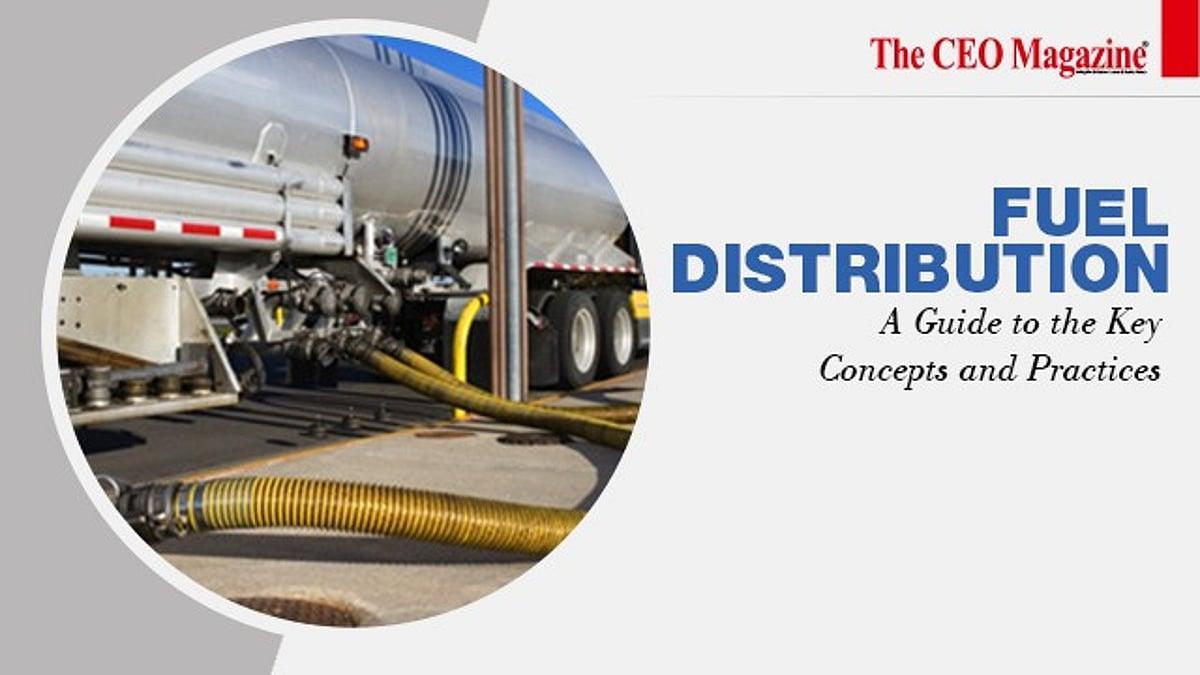
Petrol diesel retail sale is witnessing a significant shift as restrictions imposed on commercial users are set to be lifted starting July 1. This maneuver is primarily a response to the unfolding West Asia fuel crisis, which highlighted the need for better fuel distribution regulations to ensure equitable access. With the removal of these petrol sale restrictions, transport operators and industrial units can now resume normal operations, crucial for revitalizing the economy. The government’s decision reflects a thorough assessment of the fuel supply situation in the aftermath of recent geopolitical developments. As a result, the anticipated diesel sale lift promises to bolster commercial fuel sales and support various sectors reliant on these essential resources.
The retail market for petroleum products is undergoing a transformative phase with the recent changes in fuel distribution policies. Commercial fuel sales are set to benefit immensely from the removal of limitations on petrol and diesel supplies, allowing businesses previously hindered by stringent regulations to thrive again. The lifting of these restrictions coincides with the easing of the West Asia fuel crisis, promising a more stable supply chain for essential industries. This development not only paves the way for enhanced operational efficiency among transport and industrial entities but also signifies a broader commitment to adapting to changing energy demands. As the dynamics of fuel retail evolve, stakeholders in the sector will closely monitor the repercussions of these regulatory changes.
Lifting Restrictions on Petrol and Diesel Retail Sale
The recent decision by the Indian government to lift restrictions on petrol and diesel retail sale for commercial users marks a significant development in the fuel distribution landscape. As of July 1, commercial operators, including transport companies and industrial units, can once again purchase these essential fuels directly from retail outlets without the previous limitations imposed under the Motor Spirit and High-Speed Diesel (Temporary Regulation of Supply through Retail Outlets) Order, 2026. This move comes as part of a broader strategy to ensure the stability of fuel supplies following the conflicts in West Asia, which had prompted the government to impose tighter controls on fuel distribution.
The easing of these retail sale curbs not only reopens avenues for commercial users who rely heavily on diesel and petrol for their operations but also reflects the government’s confidence in the stability of fuel supply chains. With the geopolitical tensions subsiding and an agreement reached regarding the Strait of Hormuz, there is a renewed sense of optimism in the market. Operational sectors such as logistics, construction, and transportation are expected to benefit immensely from this policy shift, thereby stabilizing pricing and availability for consumers.
Impact of Fuel Distribution Regulations on Commercial Users
Fuel distribution regulations play a crucial role in ensuring equitable access to petrol and diesel, especially amidst times of crisis. The temporary measures that were enforced to curb petrol and diesel sale were meant to prevent hoarding and ensure that essential services could maintain operations during the West Asia fuel crisis. However, lifting these regulations signifies a return to normalcy for commercial users who have faced challenges due to limited access. Such restrictions can disrupt supply chains, affecting delivery schedules and operational efficiency, making it imperative for stakeholders to assess the long-term implications of these regulations on their business models.
Furthermore, understanding the intricate dynamics between fuel distribution regulations and commercial fuel sales is essential for businesses anticipating future changes. Companies can now strategize their fuel procurement more effectively without the weight of governmental restrictions. The resumption of unrestricted petrol and diesel sale not only signifies a step towards stability in the fuel market but also encourages businesses to plan for future logistics and operational enhancements. Stakeholders must remain vigilant to any potential shifts in regulations as the global fuel market continues to evolve.
Commercial Fuel Sales Post-West Asia Conflict
The recent lifting of petrol and diesel sale restrictions comes at a time when commercial fuel sales are poised for a significant rebound. The challenges faced during the West Asia fuel crisis, characterized by supply shortages and heightened prices, are now giving way to a more stable operating environment. Commercial operators can breathe a sigh of relief as they regain access to these vital resources, which are essential for the functioning of various sectors, including transportation and industry. The ability to procure fuels without restrictions allows businesses to optimize their operations and respond more effectively to market demands.
Moreover, commercial fuel sales are expected to experience a surge as businesses adjust their fuel strategies in light of the newly lifted restrictions. Industries that depend on diesel for machinery operation or petrol for their vehicle fleets can quickly adapt to the changes in availability, thus enhancing productivity. The lift of petrol and diesel sale curbs not only signals a recovery from the supply chain disruptions but also underlines the importance of maintaining a flexible approach to fuel procurement, ensuring long-term sustainability and growth in the face of potential future crises.
Understanding Petrol Sale Restrictions
Petrol sale restrictions have historically been a tool for governments to manage fuel supplies during periods of crisis or instability. In the wake of the recent geopolitical tensions in West Asia, the Indian government implemented these restrictions to safeguard the distribution network and ensure that essential services had access to fuels amid uncertainties. Understanding the rationale behind such measures is crucial for both consumers and commercial users, as it offers insights into government policy-making processes and the broader implications on market dynamics.
Such restrictions, while aimed at optimizing fuel distribution, can often create bottlenecks for businesses that rely on consistent fuel access. As regulations fluctuate in response to international events, commercial users must stay informed about changes and adjust their operations accordingly. This knowledge can empower businesses to navigate regulatory landscapes effectively, reducing operational disruptions and enhancing fuel procurement strategies in the long run.
The Diesel Sale Lift: A New Beginning for Transport Operators
The lifting of diesel sale restrictions in particular is a groundbreaking move for transport operators across the nation. Diesel serves as the backbone for transportation fleets, and the re-establishment of unrestricted access enables these operators to streamline their logistics and fulfill delivery commitments without the shadow of constraints. With the removal of these constraints, operators can plan more effectively, ensuring optimal fuel levels to keep their businesses operating smoothly, which is especially critical for industries that depend heavily on timely deliveries.
In the context of rising costs and previous supply interruptions caused by the West Asia fuel crisis, this change presents an opportunity for transport operators to reassess their fuel management strategies. It encourages operators to engage in bulk purchasing possibilities and explore competitive pricing. By improving fuel procurement practices in a deregulated environment, transport companies can work towards reducing operational expenses and increasing their profit margins, thus fostering growth in an increasingly competitive market.
Close Examination of Fuel Distribution Regulations
With the complexities associated with fuel distribution regulations, it is essential for stakeholders to conduct close examinations of these policies. Understanding the nuances of such regulations can provide valuable insights into how government actions shape the commercial fuel sales landscape. As regulations evolve, businesses can better position themselves to adapt to the changing legal framework, ensuring compliance and taking advantage of potential opportunities for growth. The removal of restrictions highlights a case study in how responsive governance can reinstate confidence in fuel supply chains.
In addition to facilitating smoother operations for businesses, close examination of fuel regulations serves as a reminder of the need for ongoing dialogue between the government and the commercial sector. This interaction can lead to more effectively tailored policies that address the needs of all stakeholders involved. By fostering a collaborative environment, both parties can contribute to shaping a robust and sustainable fuel distribution network that can withstand future crises and supply chain disruptions.
Effects of the West Asia Fuel Crisis on Local Markets
The West Asia fuel crisis significantly impacted local markets, with petrol and diesel prices soaring and availability dwindling due to supply disruptions. As the government lifted restrictions on retail sales for commercial users, it opens doors to revitalizing local economies heavily reliant on fuel-intensive operations. Businesses that suffered during the tumultuous period can now resume their activities with renewed vigor, potentially leading to a rebound in market confidence and a stabilization of fuel prices.
Moreover, understanding the repercussions of the West Asia fuel crisis enables businesses to strategize better for future challenges. Companies can implement risk management practices to mitigate the effects of fluctuating fuel prices, ultimately leading to more resilient operations. The proactive measures adopted in response to the crisis can empower local markets to thrive, adapting to new market conditions while ensuring they remain competitive in an evolving commercial landscape.
The Future of Fuel Supply in India
As India moves forward from recent challenges, the future of fuel supply will likely hinge on a combination of domestic policy adjustments and international developments. The recent lifting of restrictions on petrol and diesel retail sale for commercial users can serve as a foundation for a more robust and agile fuel supply chain. It underscores the government’s commitment to ensuring that commercial users are supported, and operational disruptions are kept to a minimum.
Looking ahead, businesses must stay alert to evolving trends in the fuel market, including potential geopolitical developments that could affect supply. Balancing immediate operational needs with long-term sustainability will be vital for companies in preparing for future challenges in fuel availability. The convergence of strategic fuel distribution policies and a responsive market will ultimately shape India’s energy landscape and influence the trajectory of commercial fuel sales for years to come.
Frequently Asked Questions
What changes have been made to petrol and diesel retail sale restrictions for commercial users?
As of July 1, 2026, the Indian government has lifted restrictions on the retail sale of petrol and diesel to commercial users, including transport operators and industrial units. This decision, taken in response to the West Asia fuel crisis, allows commercial entities to purchase fuel from retail pumps without limitations that were previously mandated under the Motor Spirit and High-Speed Diesel (Temporary Regulation of Supply through Retail Outlets) Order, 2026.
| Date | Location | Key Announcement | Affected Users | Reason for Changes | Effective Date |
|---|---|---|---|---|---|
| Jun 30, 2026 | New Delhi | Restrictions on sale of petrol and diesel lifted | Commercial users (e.g., transport operators, industrial units) | Improved supply situation of petroleum products | Jul 1, 2026 |
Summary
Petrol diesel retail sale has recently undergone significant changes as the government lifts the restrictions on fuel sales for commercial users. This decision marks a crucial step towards normalizing fuel distribution following the emergency measures imposed during the West Asia conflict. As of July 1, 2026, commercial users including transport operators and industrial units will no longer face limitations in purchasing petrol and diesel from retail outlets, a move prompted by a reassessment of the petroleum supply situation. This restored access aims to facilitate better operational efficiency for businesses, ensuring that they can continue to meet their transportation and production needs effectively.