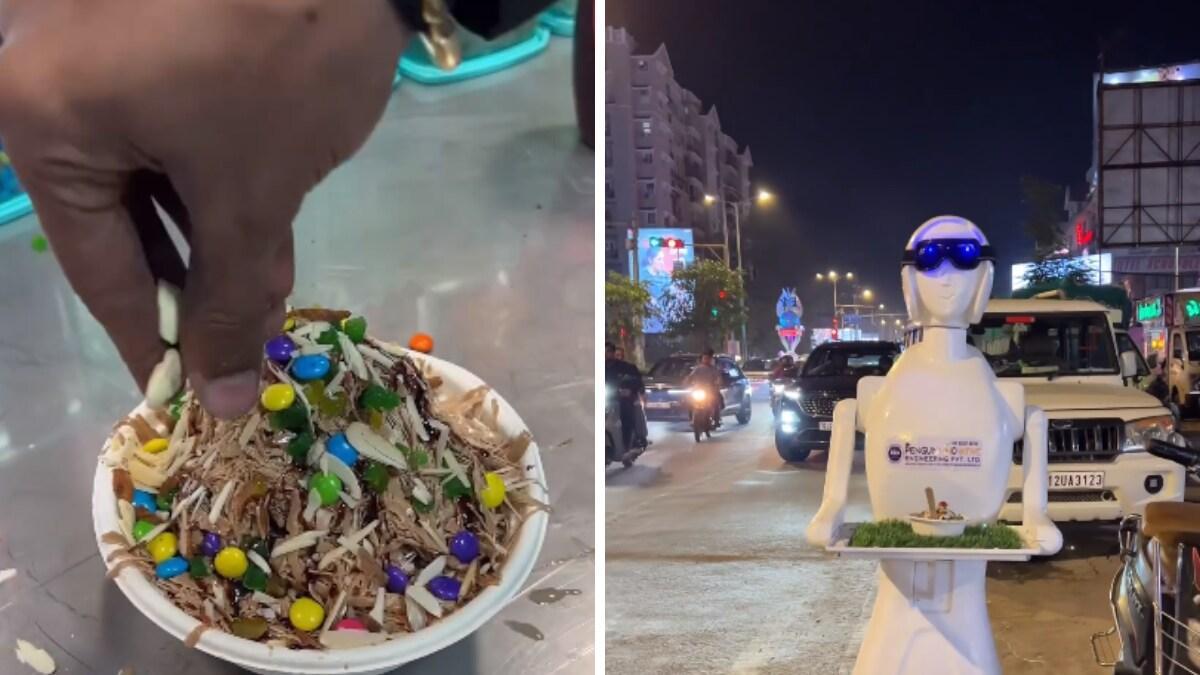
The gola hygiene controversy has ignited a fierce debate online, centering around the safety of one of India’s beloved summer treats. In a viral video, a woman claims that roadside gola vendors are using ice sourced from dubious places, including outside mortuaries, sparking concern over street food hygiene. While many viewers were left horrified by the allegations, skeptics questioned their validity, demanding credible evidence to support such serious statements. The sensational nature of the assertions has led to a wider conversation about food safety in India, with social media users passionately weighing in on the potential risks of consuming street food. As the discourse unfolds, it’s clear that the topic resonates deeply, highlighting the need for greater transparency and hygiene standards in the vibrant street food scene.
The recent uproar regarding the hygiene practices of gola vendors has resurfaced longstanding concerns about food safety in India, particularly in bustling street food environments. Reports alleging that some vendors may resort to using ice that poses health risks have raised eyebrows among consumers. This backlash brings attention to various aspects of local cuisine, including the preparation and sourcing of popular Indian summer treats like gola. The combination of health scares and viral food claims has made it imperative for patrons to critically assess the cleanliness of their food choices. As the dialogue continues to evolve, many are left pondering the true state of cleanliness and food safety within the vibrant world of Indian street food.
The Gola Hygiene Controversy: Unpacking the Viral Claims
The recent video concerning gola hygiene has ignited a fierce debate across social media platforms, shedding light on the food safety issues prevalent in India’s bustling street food scene. The woman in the clip made serious allegations regarding the sourcing of ice by some vendors, claiming it may originate from unethical and unsanitary practices. This revelation has forced many to reconsider their choices when indulging in traditional summer treats like ice golas, which typically provide relief from the oppressive heat in Indian summers. The idea that such a beloved treat might be linked to health risks has resonated deeply, prompting widespread discussions about food safety in India and the stringent measures that should be in place to ensure public health.
While some social media users have passionately sided with the claims made in the viral video, expressing outrage over potential street food hygiene violations, others remain skeptical, requesting credible evidence to substantiate these claims. It is crucial to recognize that while the allegations highlight a genuine concern regarding food safety, the stigma surrounding street food could deter tourists and locals alike from enjoying these time-honored delicacies. The narrative surrounding the alleged misuse of ice from morgues paints a grim picture that, while shocking, may not hold true for the vast majority of vendors who pride themselves on delivering quality and safe food.
Street Food Hygiene: A Broader Discussion
The ongoing conversation about street food hygiene is essential, especially in urban areas where thousands flock to food stalls for quick and tasty meals. Vendors frequently face scrutiny regarding the standards of their food preparation and the storage conditions of their ingredients. Issues such as access to clean water, proper waste disposal, and sanitation practices can significantly affect the safety of street foods like gola ice and fresh fruit juices. It is vital for consumers to be vigilant and informed when choosing from street vendors, as hygiene conditions can vary widely from one stall to another. The claims brought forth in the viral video serve as a reminder of the importance of ensuring food safety principles are upheld, even at the lowest price points.
On one hand, embracing street food culture supports local economies and provides a unique culinary experience for residents and tourists. On the other hand, the potential for foodborne illnesses raises legitimate concerns that must be addressed. Initiatives to promote food safety awareness among vendors and increase accessibility to proper refrigeration and hygiene facilities could help alleviate some worries associated with eating street food. By encouraging dialogue about these issues, the community can work towards improving standards and fostering a culture of safety, ensuring that delicious Indian summer treats remain enjoyable and safe for all.
Combatting Viral Food Claims with Education
The rapid spread of allegations regarding the ice used in golas exemplifies the power of viral claims and highlights the necessity of public education on food safety. Viral food claims can easily incite panic and lead to misconceptions that lack solid evidence. In this case, educating the public about food sourcing and the proper health standards for vendors could bridge the gap between consumer fears and actual hygiene practices. Efforts to inform the public about the realities of street food hygiene, including the challenges vendors face, could foster a more balanced perspective, less influenced by scare tactics.
Furthermore, verified reports about street food hygiene can empower consumers to make informed choices. Organizations focusing on food safety in India can take proactive steps by launching campaigns that educate both consumers and vendors about best practices. This approach would ensure that the integrity of traditional foods is preserved while enhancing public trust. Credibility is essential in the food industry, and efforts should be made to communicate factual information regarding the preparation and handling of popular street foods.
The Ice Gola Legacy: Tradition Meets Safety
Gola ice, also known as shaved ice, has long been a cherished part of the Indian summer experience, with its bright colors and refreshing flavors providing relief during the hotter months. This beloved treat is intrinsically linked to cultural traditions, reflecting local flavors and seasonal ingredients. However, recent discussions prompted by viral social media clips have brought the topic of hygiene into the limelight, urging fans of the treat to reconsider where they purchase their golas. Balancing the preservation of this culinary tradition with the need for health and safety is now more crucial than ever.
As street vendors make their living by bringing traditional treats to the public, it is vital to uphold a standard that respects both customer safety and the cultural significance of foods like gola. Future regulations and guidelines can be created to support both vendors and consumers, ensuring that every icy indulgence is not only delicious but produced under safe and hygienic conditions. By promoting food safety techniques and encouraging good practices among vendors, we can secure the legacy of gola ice while safeguarding public health.
Addressing Doubts in Street Food Culture
The diverse reactions to the viral ice gola claims reflect broader societal tensions regarding trust in street food culture. Many consumers hold apprehensions about food hygiene in informal settings, often voicing their concerns on online platforms, which can magnify distrust and fear. While some see these allegations as a wake-up call to advocate for better sanitary practices, others argue that such claims might taint the reputation of hardworking vendors who strive to provide quality food. The unease surrounding unverified allegations often overshadows the majority of street vendors who prioritize hygiene and customer satisfaction.
Addressing these doubts is critical for the future of street food in India, where every vendor has a story and a reputation to build. As communities work together to elevate standards and share knowledge about food safety, the goal should be to create an environment where delicious treats can be enjoyed without fear. Empowering local vendors through training and support, while increasing transparency for consumers, will foster a more robust street food culture that celebrates culinary diversity without compromising safety.
The Influence of Social Media on Food Safety Discussions
Social media plays a pivotal role in shaping public perception about food safety, especially in countries with dynamic street food cultures like India. The viral video about gola hygiene exemplifies how quickly information—whether credible or not—can spread, prompting mass debate and discussion. As viewers are bombarded with alarming claims, critical thinking and healthy skepticism become crucial tools for navigating the landscape of misinformation. Social media can simultaneously empower consumers with knowledge while contributing to fear and speculation, necessitating a careful approach to continue enjoying local culinary experiences.
In this age of digital communication, food businesses must also adapt by maintaining a strong, credible online presence. Engaging with customers through social media platforms allows vendors to inform patrons about their hygiene practices and sourcing methods, creating transparency that can help mitigate fears. By using social media wisely, vendors can turn potential crises into opportunities for building trust and loyalty among their customer base, showcasing their commitment to maintaining food safety standards that protect public health.
Community Responsibility in Ensuring Food Safety
Addressing the concerns raised by the viral ice gola video requires collective responsibility from consumers, vendors, and regulators. While consumers must be mindful of their choices and advocate for safer practices, vendors need to prioritize hygiene and implement measures that reinforce trust. It is imperative for local governments to engage in discussions surrounding food safety as well, providing vendors with the necessary resources and training to ensure they meet health standards. By fostering a collaborative approach to food safety, there is potential to enhance the street food experience while safeguarding public health.
This shared responsibility highlights the importance of community empowerment in promoting food safety in street food culture. Initiatives that encourage dialogue between consumers and vendors can plant the seeds for improved practices while maintaining the cultural vibrancy of traditional food. Consumers can engage in this conversation, asking questions and seeking authenticity in their dining experiences, while vendors can continue to create safe spaces for selling popular dishes like gola. Together, they can cultivate an environment of respect and responsibility within the street food ecosystem.
Navigating the Complexities of Street Food Choices
With the ongoing discussion about food safety and hygiene in street food stalls, it becomes essential for consumers to navigate their choices judiciously. The fears brought forth by the gola hygiene controversy have prompted many to scrutinize the vendors they support. Observing practices such as cleanliness and the sourcing of ingredients can provide valuable insight, allowing those who enjoy street food to make informed choices. Awareness of hygiene practices emerges as not just a response to viral claims but as an essential skill for any adventurous eater.
Ultimately, consumers hold significant power in shaping the practices of street food vendors through their preferences and choices. Supporting vendors who prioritize food safety can send a strong message that food hygiene matters. This kind of responsible consumerism will not only enhance the street food experience but could also lead vendors to prioritize better sanitation practices out of necessity. In understanding these dynamics, street food can continue to thrive within Indian culture, creating a balance between enjoyment and safety.
Frequently Asked Questions
What is the gola hygiene controversy that went viral on social media?
The gola hygiene controversy stems from a viral video in which a woman alleges that some roadside gola vendors use ice sourced from questionable places, including potentially leftover ice from morgues. This claim has ignited debates about street food hygiene and the safety of consuming gola ice and fruit juices in India.
| Key Point | Details |
|---|---|
| Viral Video Claims | A woman claims that roadside gola and fruit juice vendors use ice sourced from morgues. |
| Public Reaction | Reactions on social media are mixed, with some supporting the hygiene concerns while others argue against the authenticity of the claims. |
| Specific Allegations | The woman alleged vendors collect leftover ice from morgues after post-mortem procedures for making golas. |
| Skepticism Around Claims | Many users dismissed the claims as old rumors without credible evidence backing them. |
| Urban Hygiene Discussions | The controversy has incited discussions on street food hygiene and public perceptions of roadside vendors. |
Summary
The gola hygiene controversy has taken social media by storm as a video detailing shocking allegations about the ice used by roadside vendors went viral. The claims made by a woman regarding the unsanitary sources of ice have invited mixed reactions, leading to a broader discussion on urban food hygiene. While some viewers express valid concerns about the dangers of unverified claims and the state of street food hygiene, others emphasize the absence of concrete evidence supporting such drastic accusations. This incident not only highlights the need for raising awareness about food safety but also the importance of critical thinking when engaging with sensational narratives surrounding beloved culinary traditions.