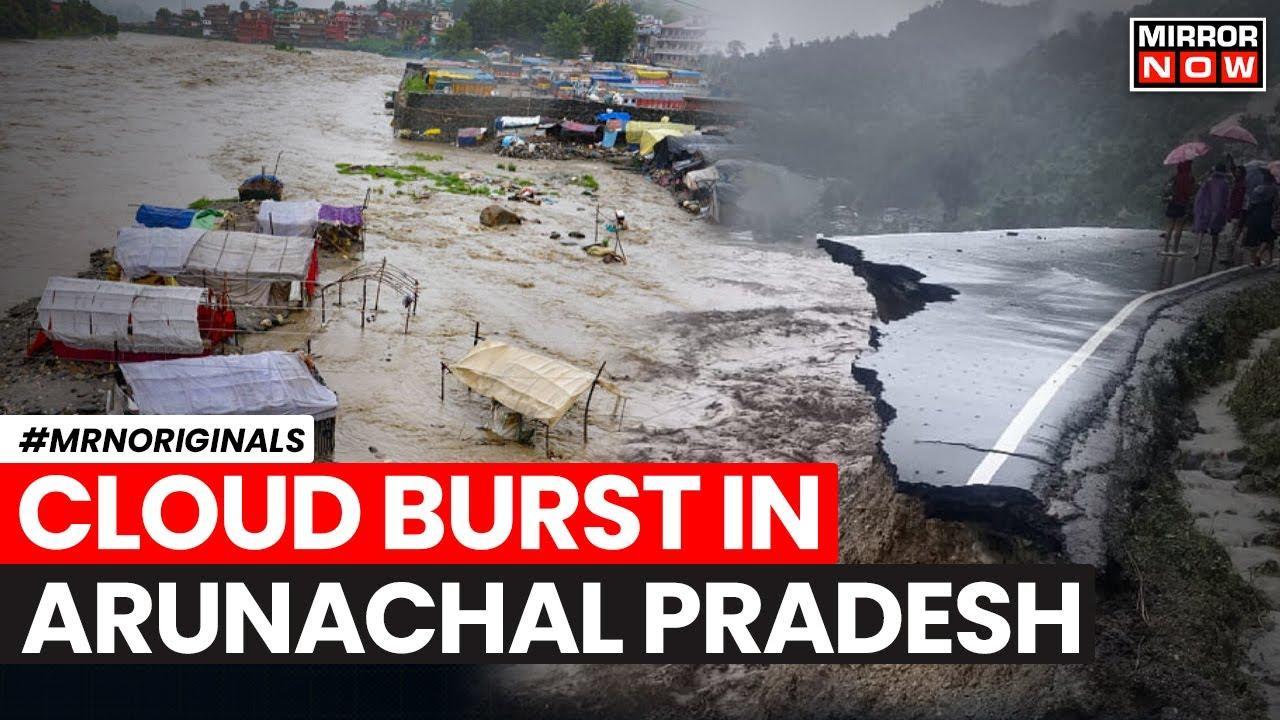
The recent flood damage in Arunachal Pradesh has been devastating, resulting from unprecedented flash floods and landslides triggered by a sudden cloudburst on June 23. This natural disaster has wreaked havoc across the region, affecting residences, agricultural fields, and critical infrastructure, prompting an urgent flood assessment in Arunachal Pradesh. Union Agriculture Minister Shivraj Singh Chouhan, alongside other officials, undertook a critical visit to the affected areas to evaluate the extent of destruction and oversee disaster relief efforts in India. His visit aimed to support the ongoing recovery efforts in Arunachal Pradesh, where many displaced families are still grappling with the aftermath of the disaster. With a commitment to restoring normalcy, the government is focusing on structured recovery plans and providing timely assistance to those in need.
In the wake of the recent catastrophe, broader discussions on the challenges posed by severe weather phenomena have emerged. The calamity in Arunachal Pradesh, characterized by flash floods and intense cloudbursts, highlights the urgent need for effective disaster management strategies across vulnerable regions. With a focus on recovery and rehabilitation, state and central authorities are mobilizing resources to address the immediate needs of affected communities. Amidst this, leaders like Shivraj Singh Chouhan are emphasizing the importance of coordinated disaster relief initiatives to ensure swift responses to future crises. The situation calls for a dedicated approach to enhance resilience and improve recovery efforts in the region.
Arunachal Pradesh Flood Damage: A Critical Assessment
The recent flash floods in Arunachal Pradesh, triggered by an unprecedented cloudburst on June 23, have left a trail of destruction impacting both urban and rural communities. The Union Agriculture Minister Shivraj Singh Chouhan’s visit to the affected Keyi Panyor district is a vital step in assessing the full scope of the damage. Initial reports indicate extensive destruction of residential buildings, agricultural land, and critical public infrastructure. The natural calamity undermined the economic stability of the region, rendering numerous families homeless and disrupting their livelihoods, particularly in agricultural sectors vital to local economies.
As recovery efforts begin, it is essential to prioritize a detailed flood assessment in Arunachal to identify the specific needs of the affected populations. Data gathered through ground and aerial surveys conducted by Minister Chouhan and his team will be crucial for formulating effective disaster relief strategies. With the region facing challenges such as infrastructural disarray along National Highway-13, it’s imperative to develop a coordinated response involving both state and central government resources. The commitment from the Central Government to assist in rehabilitation and restoration is key to ensuring a structured recovery process.
Cloudburst in Arunachal Pradesh: Causes and Consequences
The term ‘cloudburst’ refers to an extreme weather event characterized by intense rainfall that can lead to severe flooding within a short time frame. In Arunachal Pradesh, the recent cloudburst has highlighted the vulnerabilities of the region to such climatic phenomena. These sudden downpours, often resulting from monsoonal weather patterns, not only exacerbate existing tensions on local ecosystems but also pose immediate hazards to life and property. The catastrophic events of June 23 have further emphasized the urgent need for disaster preparedness and more robust mitigation strategies to protect communities from future calamities.
As a consequence of the cloudburst, infrastructural resilience is tested across various facets of life in Arunachal Pradesh. The destruction of homes and agricultural fields threatens food security and local economies in the short and long term. Furthermore, as noted during Shivraj Singh Chouhan’s inspection, emergency relief operations are critical at this juncture to provide immediate assistance to displaced families. This multi-faceted disaster relief approach, which encompasses comprehensive assessments and community engagement, will be vital for effective recovery efforts in the aftermath of the cloudburst.
In light of this cloudburst disaster, it’s essential for stakeholders, including local governments and aid organizations, to collaborate on a structured response that incorporates lessons learned from previous flooding events in the region. Proactive measures, such as reinforcing drainage systems and enhancing awareness about weather patterns among residents, can prove beneficial in mitigating the effects of future cloudbursts.
Disaster Relief Efforts in Arunachal Pradesh
In the aftermath of the devastating floods in Arunachal Pradesh, coordinated disaster relief efforts have become a critical focus for government and non-governmental organizations alike. The visit from Union Ministers, including Shivraj Singh Chouhan, is a testament to the urgency and seriousness of the situation. Immediate actions are being taken to deliver aid to those affected, with the establishment of relief camps aimed at providing shelter, food, and medical care to displaced individuals. The collaboration between the central government and Arunachal Pradesh officials will facilitate a more structured approach to disaster relief that can adapt to the ongoing challenges.
Furthermore, ongoing assessments of the damage are paving the way for more organized recovery initiatives. A thorough disaster relief strategy not only encompasses immediate assistance but also lays the foundation for long-term recovery efforts. This includes rebuilding infrastructure, restoring agricultural productivity, and providing psychological support to traumatized communities. As articulated by Minister Chouhan during his visit, the central government is committed to fully supporting Arunachal Pradesh’s recovery efforts, ensuring that those affected receive the necessary resources to rebuild their lives.
Shivraj Singh Chouhan’s Visit: A Beacon of Hope
The recent visit by Union Agriculture Minister Shivraj Singh Chouhan to the flood-affected regions of Arunachal Pradesh signifies a beacon of hope for the local population grappling with the aftermath of natural disasters. His engagement with displaced families indicates a commitment not only to assess the damage but also to offer reassurance and vital support in an already challenging time. Accompanied by Arunachal Pradesh Chief Minister Pema Khandu, the visit highlighted the importance of political presence and accountability in disaster scenarios, which can foster trust and cooperation between governments and affected citizens.
During this visit, Chouhan emphasized the need for immediate relief measures while also addressing long-term recovery plans that align with sustainable development goals. The synergy between state and central government efforts will be essential in streamlining the aid process. By prioritizing a unified response to the disaster, the leadership aims to ensure that recovery efforts are not only comprehensive but also resilient against similar calamities in the future. The visit has been a pivotal moment of solidarity in the face of adversity, galvanizing both the government and community in working towards recovery.
Arunachal Pradesh Recovery Efforts: A Path Forward
As the dust settles from the catastrophic floods in Arunachal Pradesh, a detailed action plan for recovery is taking shape, prompted by assessments carried out by various governmental bodies. The devastation caused by the cloudburst has necessitated a profound rethink in the state’s approach to disaster management and recovery. Central government officials and local authorities are collaborating to streamline relief distribution and ensure that resources are allocated effectively to the most impacted areas. This strategic alignment is vital for enhancing the resilience of communities against future natural disasters.
Moreover, recovery efforts in Arunachal Pradesh must focus on sustainable practices that promote ecological balance while rebuilding infrastructure. Engaging with local communities to empower them in preparedness measures will be crucial for creating a robust framework that mitigates the impact of such disasters. By fostering local partnerships and leveraging technology in monitoring and assessment, government and NGOs can accelerate the recovery process, laying the groundwork for a stronger, more resilient Arunachal Pradesh.
Frequently Asked Questions
What steps are being taken in Arunachal Pradesh for flood damage assessment?
In Arunachal Pradesh, comprehensive flood damage assessments are currently underway following the extensive destruction caused by recent flash floods and landslides, particularly triggered by a cloudburst event on June 23. Union Agriculture Minister Shivraj Singh Chouhan, along with other officials, conducted both aerial and ground surveys to evaluate the impact on residential structures, agricultural land, and public infrastructure. This assessment is crucial for structuring recovery measures and ensuring coordinated disaster relief efforts between the Central and state governments.
| Key Point | Details |
|---|---|
| Visit by Union Agriculture Minister | Shivraj Singh Chouhan visited Keyi Panyor district on July 1 to assess flood damage. |
| Accompanied by other officials | Joined by Union Minister Kiren Rijiju and Chief Minister Pema Khandu. |
| Impact of Natural Disaster | Flash floods and landslides caused by cloudburst on June 23 led to extensive damage. |
| Areas of Damage | Severe damage was reported in locations like NEEPCO colony at Possa and nearby relief camps. |
| Effects on Infrastructure | Disruption of connectivity along National Highway-13 and destruction of residential structures. |
| Government Response | Minister Chouhan promised full support from the Central Government for relief efforts. |
| Ongoing Assessment | A detailed assessment of losses is being undertaken for structured recovery. |
| Coordination for Recovery Measures | Recovery efforts will involve cooperation between the Central and Arunachal Pradesh governments. |
Summary
Arunachal Pradesh flood damage has had a devastating impact on the region, following the severe flash floods and landslides triggered by a cloudburst on June 23. The visit by Union Agriculture Minister Shivraj Singh Chouhan provided a crucial assessment of the destruction, where he noted the extensive harm to residential areas, agricultural lands, and vital infrastructure. With the disruption of connectivity along National Highway-13 and the displacement of families, the government has committed to robust relief and rehabilitation efforts. The collaborative approach between federal and state authorities aims to ensure an effective recovery process for those affected by this calamity.