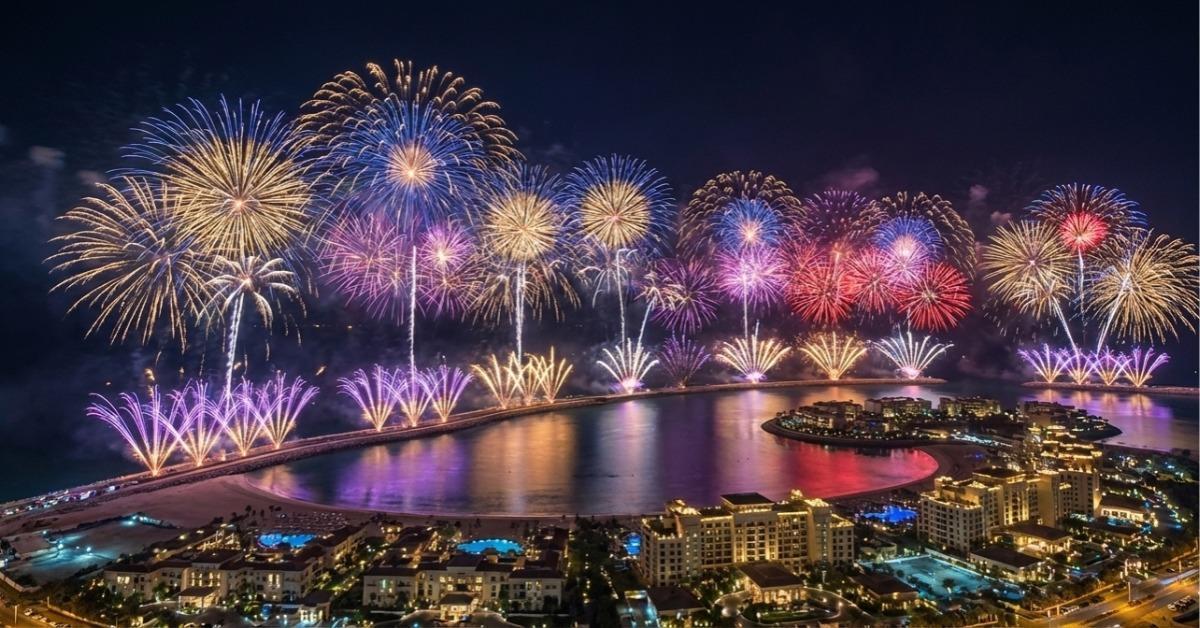
Fireworks display is a thrilling spectacle that captivates audiences with vibrant colors, breathtaking patterns, and explosive sounds that fill the night sky. As the nation gears up for July 4th fireworks, this year’s event promises to be particularly spectacular, with Washington D.C. poised to host what organizers boast will be the largest fireworks show in history. Amidst the Independence Day celebrations, the anticipation crescendos as over 860,000 pyrotechnic effects are set to light up the sky, surpassing typical displays by an astounding margin. However, amidst the excitement, important discussions about the environmental impact of fireworks begin to emerge as critics highlight issues related to air quality and pollution associated with such lavish displays. As families gather to enjoy the dazzling display, the juxtaposition of patriotism and environmental concerns serves to stir deeper conversations regarding our celebrations and their effects on the planet.
The art of aerial pyrotechnics, commonly referred to as a fireworks display, brings communities together in celebration, igniting awe and wonder in viewers of all ages. Marking significant occasions, such as the adeptly choreographed performances we witness during Independence Day festivities, these events showcase an array of dazzling explosions and light effects that is sure to leave spectators breathless. With a special focus on this year’s unprecedented scale of July 4th celebrations in Washington D.C., the event is set to deliver a remarkable experience by featuring a stunning display of coordinated launches. Yet, as we marvel at these magnificent skyborne spectacles, it is vital to consider the broader implications, including the environmental impact of fireworks. This duality between the joy of the celebration and the pressing issues of air quality emphasizes the need for ongoing dialogue about how we can harmoniously align such festivities with ecological awareness.
The Spectacle of the Largest Fireworks Show in History
As Washington DC gears up for what officials are heralding as the largest fireworks show in history, excitement builds among residents and visitors alike. Set to light up the skies over the National Mall, this Independence Day celebration promises to surpass any previous display, showcasing a staggering 860,000 pyrotechnic effects. The grand finale alone is slated to last for 40 minutes, captivating spectators with a breathtaking display of colors and sounds. This ambitious event not only aims to mark America’s 250th birthday but also hopes to secure a Guinness World Record, putting Washington on the map for the most extensive fireworks show ever orchestrated.
The scale of this fireworks display is unprecedented, particularly given the use of advanced choreography and technology. Coordinated from multiple launch sites, including the Lincoln Memorial Reflecting Pool and several anchored barges along the Potomac River, the event will require the skill and precision of around 60 technicians. For many, witnessing the collective burst of colors representing the nation’s pride amidst the historical backdrop of Washington DC is a quintessential part of July 4th celebrations. However, this extravagant show also sparks discussions about the environmental implications of such grand displays.
Environmental Impact of Fireworks Displays
With the allure of a spectacular fireworks display comes a sobering environmental cost. As brightly colored shells burst into the sky, they release a myriad of pollutants into the atmosphere. Environmentalists are raising alarms about the release of fine particulate matter, heavy metals, and toxic chemicals during fireworks shows. Recent studies suggest that air quality can deteriorate significantly during these events, with pollution spikes posing serious health risks, particularly for vulnerable populations. Higher levels of toxic compounds, such as barium and copper, can create hazardous conditions that linger even after the last fireworks fade.
Meteorologists have predicted record-high temperatures for the July 4 celebrations, raising additional concerns about air quality. With Washington DC already struggling with air pollution due to its geographic and climatic conditions, the added burden of fireworks can exacerbate health issues related to air quality. Activists argue that the combination of heat and chemical explosions represents a reckless disregard for environmental safety. While many revel in the beauty of the event, there’s a growing movement advocating for alternative, eco-friendly celebrations that can honor the nation’s independence without sacrificing public health.
The Cost of Independence Day Fireworks and Security Concerns
The planned $1.6 million budget for this year’s fireworks display reflects a significant increase in spending compared to previous years. This investment, however, comes laden with additional expenses attributed to security measures deemed necessary for a National Special Security Event. Thousands of National Guard troops and extensive road closures will complicate both local and tourist access to viewing sites. While the fireworks promise to dazzle audiences, the operational nuances associated with the grand display make it a logistical challenge, overshadowing the festive spirit for many.
Residents face an uphill battle against traffic jams, heat advisories, and long security lines in downtown Washington. For some, the promise of witnessing the largest fireworks show may be swallowed by the stress of navigating the chaotic environment that inevitably accompanies such a grand spectacle. Though the joy of celebrating America’s independence remains at the forefront, it’s increasingly clear that these events require careful planning and consideration, particularly in a climate that demands balance between celebration and public safety.
Public Sentiment Surrounding July 4th Celebrations
Public sentiment regarding July 4th fireworks has become increasingly divided. While many cherish the tradition as a display of national pride, there is a growing faction that questions the sustainability and health implications of such celebrations. This year, amidst the record highs and potential health hazards, residents are grappling with the fun of fireworks against the backdrop of environmental concerns. Some citizens even worry that the extravagance of the display is a symbol of recklessness, particularly given the reality of climate change and air quality issues.
Moreover, the juxtaposition of celebrating freedom while potentially harming the environment evokes a poignant irony. Some locals view the massive fireworks production as not only a display of immense patriotic enthusiasm but as an affront to the conservation efforts that many communities are striving to uphold. With fireworks often resulting in spikes of air pollution and disturbances for pets and wildlife, individuals are calling for a shift in how Independence Day is celebrated, pushing for more sustainable practices that laude the nation’s achievements without compromising public health.
A Global Perspective on Fireworks Displays
In a world where trade dynamics shape celebrations, the irony of American independence being celebrated with imported fireworks cannot be overlooked. Despite a national push for
Frequently Asked Questions
What can we expect from the largest fireworks show in Washington DC this July 4th?
This July 4th, Washington DC is set to host what organizers promise will be the largest fireworks display in history, featuring over 860,000 pyrotechnic effects in a spectacular 40-minute finale. This event aims to break a Guinness World Record, dramatically elevating the usual fireworks experience seen during Independence Day celebrations.
| Key Point | Details |
|---|---|
| Origin of Fireworks | The fireworks display draws historical inspiration from the British adaptation of Tipu Sultan’s Mysore projectiles. |
| Massive Fireworks Display | Organizers aim to create the largest fireworks show in history for America’s 250th birthday, with over 860,000 pyrotechnic effects. |
| Environmental Impact | Fireworks significantly contribute to air pollution, raising toxicity levels and posing health risks especially to vulnerable populations. |
| Cost of the Event | This year’s fireworks cost approximately $1.6 million, far more than typical allocations, with advanced security measures in place. |
| Public Response and Controversy | While many find joy in the celebrations, critics highlight the environmental degradation and irony of nationalist displays using foreign-produced fireworks. |
Summary
The upcoming fireworks display promises to be a spectacular event, celebrating America’s 250th birthday with unprecedented grandeur. While the anticipation builds for a record-setting show, the impact on air quality and health raises significant concerns. Environmentalists warn that the massive pyrotechnic display, involving over 860,000 fireworks, could exacerbate already hazardous air pollution levels, especially in the intense heat of summer. This juxtaposition of celebration and environmental responsibility highlights a critical conversation about the future of public festivities and their ecological footprint. As the skies above Washington prepare to be illuminated, it’s essential to balance our love for fireworks displays with the pressing need to protect the air we breathe.