Bizu Festival: Exploring the Vibrant Celebration of Chakma Culture
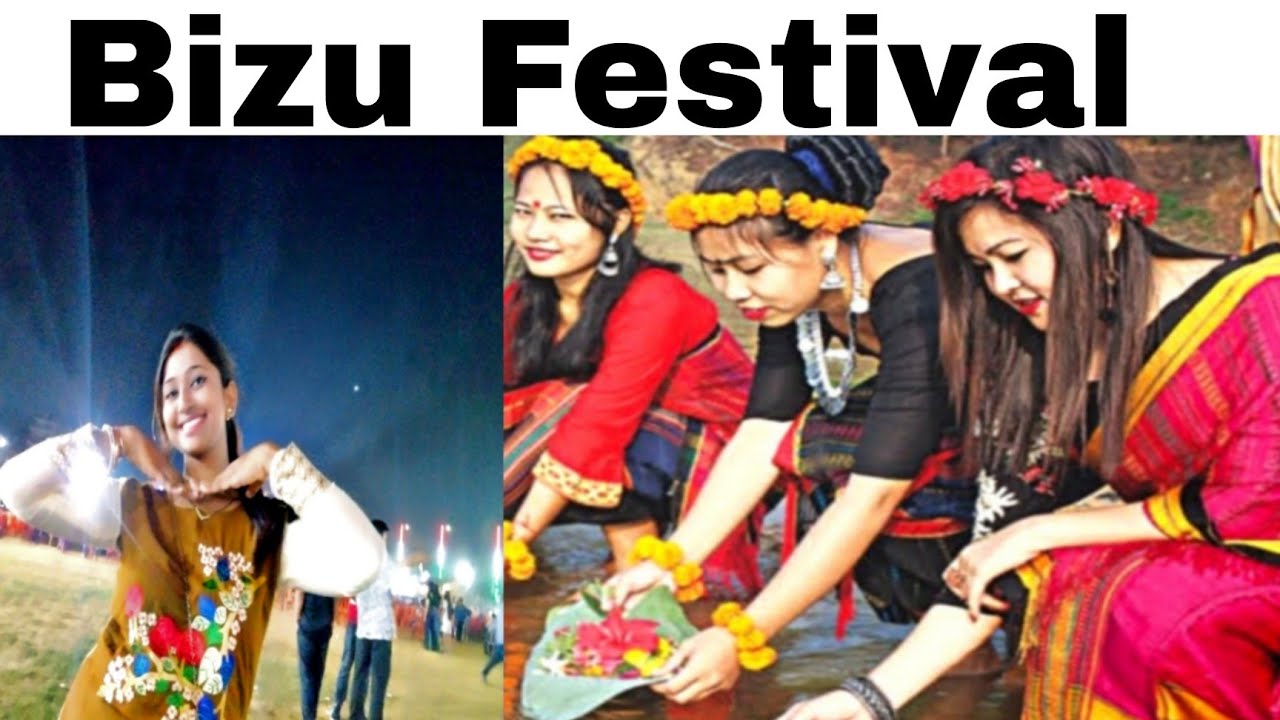
The vibrant Bizu festival, celebrated by the Chakma community, marks a significant transition into the traditional New Year, bringing together thousands in a spirited tribute to Chakma culture. This year’s celebration took place at the University of Delhi and was brought to life through a dynamic program titled “Chakma Yuva Samvad: Empowering Tribal Youth & Celebration of Bizu Festival.” As one of the key Delhi events, Bizu showcases the rich heritage and cultural practices of the Chakma people, highlighting the importance of preserving tribal celebrations. Policymakers and community leaders came together to discuss vital issues like education and employment opportunities for the youth, emphasizing the community’s commitment to progress. The festival not only fosters cultural pride but also strengthens community bonds, making it a cornerstone of the Chakma experience in urban settings like Delhi.
Celebrated among the Chakma people, the Bizu festival signifies the onset of the traditional New Year and embodies the essence of tribal identity and cultural pride. This event stands as a crucial occasion for the Chakma community in Delhi NCR, where vibrant celebrations and significant discussions come together to empower tribal youth. Through cultural performances and community engagement, the festival reflects the commitment of the Chakma culture to preserving its heritage amidst modernity. Recognized as one of the most awaited tribal celebrations, Bizu resonates with the themes of unity and renewal, drawing attention from policymakers and leaders alike. As such, it plays a vital role in making the cultural narrative of the Chakma people visible on the larger stage of Delhi’s diverse community.
Celebrating the Bizu Festival: A Cultural Milestone for the Chakma Community
The Bizu festival holds profound importance for the Chakma community, representing their vibrant culture and rich traditions. Celebrated annually, this festival marks the transition into the New Year and serves as a time for renewal and hope. The recent celebration at the University of Delhi highlighted the significance of this festival, bringing together community members from various backgrounds to celebrate their heritage and share their experiences. Events such as this not only preserve the Chakma culture but also promote greater awareness and appreciation among the general public about tribal celebrations.
During the Bizu festival, cultural expressions took center stage, including traditional music and dance that provide insight into the Chakma way of life. Performances featured unique instruments indigenous to the Chakma heritage, allowing attendees to immerse themselves in the sounds that define the community. The successful organization of the festival in a bustling metropolitan area like Delhi showcases the resilience of the Chakma people as they perpetuate their customs and practices amid changing societal landscapes, creating a platform to share these traditions with future generations.
The Role of the Chakma Community in Preserving Cultural Heritage
The Chakma community’s commitment to cultural preservation stands out, particularly during events like the Bizu festival. Leaders such as Antar Singh Arya emphasized the importance of leveraging occasions like this to foster educational and employment opportunities for tribal youth. Workshops and discussions held during the festival echoed this sentiment, highlighting how cultural practices can be entwined with skill development. By integrating traditional knowledge with modern advancements, the Chakma community can maintain its distinctive identity while evolving in contemporary contexts.
Moreover, the festival serves as a reminder of the deep-seated traditions that the Chakma people guard fervently. Cultural displays, including traditional arts and crafts along with narrative forms like songs and storytelling, reflect the community’s rich history and social values. These elements are vital in educating younger generations about their heritage, ensuring that the community remains connected to its roots while adapting to an urban environment such as Delhi. Furthermore, the growing interest in Chakma customs among diverse audiences encourages cultural exchange and mutual respect among different tribal and non-tribal communities.
Tribal Celebrations: Bridging Tradition and Modernity
The Bizu festival typifies the intersection of tradition and modernity within the Chakma community. While retaining core elements of their cultural practices, such as traditional games and folk performances, the festival adapts to contemporary societal contexts, allowing for broader interaction with other cultures. The inclusion of educational panels and discussions about skill development indicates a conscious effort to merge cultural celebration with essential societal needs. This innovative approach illustrates how the Chakma community strives to ensure its relevance in the fast-paced, ever-changing world.
Tribal celebrations like Bizu are crucial not only for the Chakma community but also as part of the wider narrative of cultural diversity in India. They provide a unique opportunity to showcase the richness of Chakma culture, inviting dialogue and collaboration among various groups within multicultural urban settings. The event’s success in attracting policymakers and academics also underscores the recognition of tribal cultures as vital contributors to the nation’s overall identity, prompting a deeper appreciation for the diverse tapestry of traditions present in modern society.
Empowering Tribal Youth: The Future of Chakma Culture
The emphasis on empowering tribal youth was a central theme during the Bizu festival, particularly in discussions about education and skill development. With community leaders advocating for improved access to resources, there is a palpable shift towards integrating younger generations into societal dialogue on cultural preservation. As participants engaged in various workshops and discussions, it became clear that the future of Chakma culture relies heavily on the active involvement and leadership of its youth. The festival demonstrated that these young individuals are not just passive observers but are increasingly becoming forces of change within their communities.
Moreover, the recognition of talent among the Chakma youth during the festival, especially in cultural performances, signifies a promising path ahead. By encouraging creativity and providing platforms for expression, the Bizu festival plays a pivotal role in nurturing the next generation of artists, leaders, and advocates for the Chakma culture. This forward-thinking approach not only instills pride within the community but ensures that vibrant traditions continue to thrive amidst modern challenges, making the celebration of events like Bizu even more significant.
Chakma Culture and Its Place in Delhi’s Diversity
The Bizu festival’s occurrence in Delhi highlights the city’s role as a melting pot of cultures, where diverse tribal identities, such as that of the Chakma community, can be celebrated publicly. This festival not only enriches Delhi’s cultural landscape but also encourages connections among various ethnic groups, fostering unity in diversity. Events like these contribute to a burgeoning understanding and appreciation of the challenges faced by tribal communities, promoting a necessary dialogue about inclusion, representation, and cultural rights.
As one of the prominent tribal celebrations in Delhi, the Bizu festival serves as a beacon of cultural pride, reminding attendees that the richness of Chakma heritage contributes significantly to the broader narrative of India. When people engage with such cultural festivals, they participate in a collective celebration of identity and resilience, urging for greater visibility and recognition of tribal narratives in urban spaces. Each performance, craft display, and discussion at such events solidifies the Chakma community’s legacy and reaffirms its significance in the fabric of Indian society.
Bizu Festival: An Educational Resource for Cultural Awareness
The Bizu festival has increasingly become an educational platform, where attendees have the opportunity to learn about Chakma culture and heritage firsthand. Through interactive exhibits, traditional crafts, and cultural presentations, visitors gain insight into the history and values of the Chakma community, fostering a deeper understanding and respect for their way of life. The combination of cultural showcases and informative discussions enriches the experience, making the festival an invaluable resource for education and cultural awareness.
This educational aspect of the Bizu festival also extends beyond mere observation; it invites engagement. Participants can take part in traditional games or attend workshops aimed at teaching the art of Chakma handicrafts. Such participatory experiences not only empower individuals to learn through doing but also help bridge the gap between different cultures present in the urban landscape of Delhi. By promoting awareness and knowledge about tribal cultures, the Bizu festival plays a pivotal role in fostering community resilience and encourages active participation in preserving cultural identities.
Cultural Performances: The Heart of the Bizu Celebration
At the heart of the Bizu festival lies its vibrant cultural performances that highlight the unique artistic expressions of the Chakma community. Through traditional music and dance, performers evoke stories of identity, heritage, and communal bonding. Each performance not only entertains but serves as a medium of storytelling, offering insights into the values and history of the Chakma people. The use of indigenous instruments provides authenticity, connecting the audience with the emotional core of the culture.
These performances also draw larger audiences, creating an opportunity for cross-cultural appreciation, where non-Chakma individuals can immerse themselves in the community’s artistic expressions. The diversity in cultural portrayals reinforces the understanding that all cultures have narratives worth sharing and celebrating. As these energetic displays capture the essence of the Chakma spirit, they play an essential role in sustaining traditions while inviting newer generations to keep them alive.
The Future of Chakma Cultural Celebrations in Urban Centers
As cities like Delhi continue to grow and evolve, the future of cultural celebrations such as the Bizu festival depends on adaptability and engagement. The ability to integrate traditional celebrations into urban life is crucial for fostering both community spirit and intercultural dialogue. The participation of various stakeholders, including policymakers, academics, and community leaders, plays an instrumental role in shaping how cultural legacies are preserved and celebrated across urban platforms. The Bizu festival exemplifies this by drawing participation from diverse groups who resonate with the themes of unity and renewal.
Furthermore, the increasing visibility of the Chakma community through events like the Bizu festival offers a template for other tribal communities looking to assert their presence in urban settings. By innovatively merging tradition with modern expressions, the festival not only preserves cultural identity but also inspires others to celebrate their heritage in inclusive ways. The future of such cultural festivals is promising, as they continue to adapt, thrive, and enrich the multicultural tapestry of cities across the nation.
Frequently Asked Questions
What is the Bizu festival celebrated by the Chakma community?
The Bizu festival is the most significant celebration for the Chakma community, marking the transition to their traditional New Year. This vibrant festival is celebrated over three days and includes various cultural performances, communal gatherings, and rituals that reflect Chakma culture and heritage. In Delhi NCR, the festival was celebrated with a special event titled “Chakma Yuva Samvad: Empowering Tribal Youth & Celebration of Bizu Festival,” showcasing the rich traditions of the Chakma people.
| Key Point | Details |
|---|---|
| Event Overview | The Chakma community celebrated the Bizu festival with an event called ‘Chakma Yuva Samvad’ at the University of Delhi. |
| Significance of Bizu Festival | Bizu marks the transition to the traditional New Year for the Chakma people and is celebrated over three days. |
| Key Attendees | The event was attended by policymakers, community leaders, academics, and tribal youth. |
| Emphasis on Education and Cultural Preservation | Discussions focused on tribal youth’s education, employment, and cultural preservation. |
| Cultural Performances | The program included traditional Chakma music and dance performances, showcasing cultural richness. |
| Exhibits and Activities | An exhibition of Chakma handloom and handicrafts, along with traditional games, contributed to the festivities. |
| Community Participation | Approximately 1,000 of the 3,000 Chakmas in Delhi NCR participated in the celebration. |
Summary
The Bizu festival is a vibrant celebration that exemplifies the rich cultural heritage of the Chakma community, marking their traditional New Year. This year’s festival at the University of Delhi not only brought together a large gathering but also served as a platform for discussing vital issues such as education and skill development for tribal youth. The event blended cultural performances with serious discussions, showcasing the resilience and continuity of Chakma traditions. With significant attendance and active participation, the Bizu festival not only strengthened community bonds but also highlighted the importance of preserving the cultural identity of the Chakma people amid modernization.