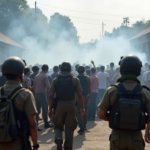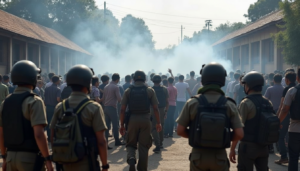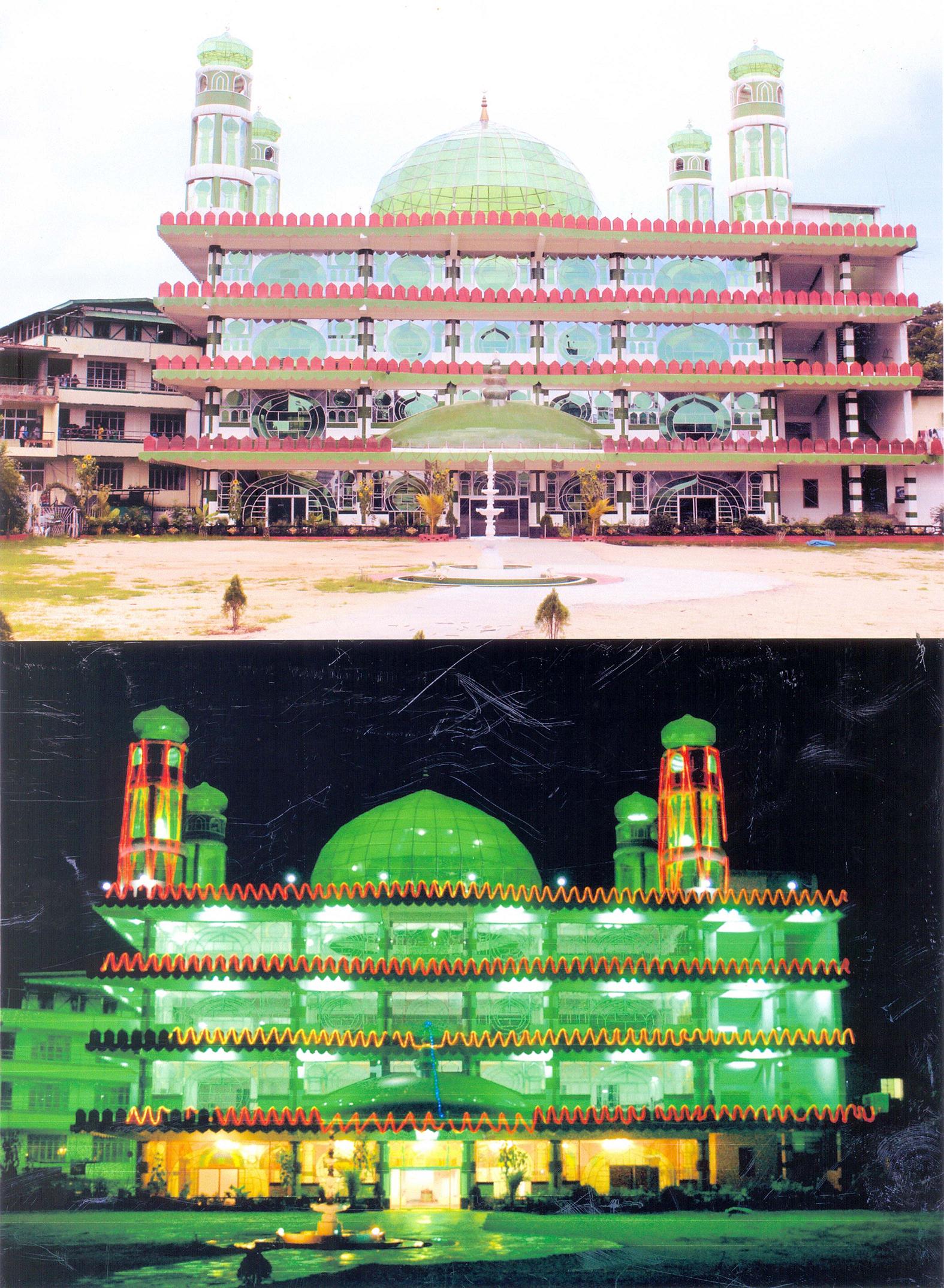
The recent Shillong mosque construction unrest has ignited tensions in Meghalaya’s capital, where local protests have arisen amid allegations of unauthorized building practices. The Khasi Students’ Union (KSU) has been at the forefront of these protests, challenging the legitimacy of the Lumparing Mosque’s establishment on what they claim is disputed land. Issues surrounding mosque construction have escalated, with KSU leaders asserting that the necessary religious site authorization was never obtained from local authorities. This situation has highlighted broader concerns about ownership and governance in the area, reflecting the community’s sensitivity toward land and religious site issues. As unfolding events capture headlines in Meghalaya news, the implications of this unrest could extend beyond local disputes, prompting dialogue on existing regulations and communal harmony.
Recent developments in Shillong have drawn attention to conflicts over religious construction, particularly regarding a mosque that has come under scrutiny for alleged lack of proper authorization. The controversy centers on a site believed to be contentious, raising questions about community rights and approvals. Activism from local groups like the KSU underscores a growing concern over constructing places of worship without formal processes, bringing religious site authorization into focus. As the situation progresses, the significance of this issue touches on deeper societal dynamics, making it a critical topic for those following Meghalaya news. The unrest surrounding the mosque highlights the need for clear regulations and community engagement in decisions affecting spiritual and communal spaces.
Unrest Surrounding Mosque Construction in Shillong
The recent unrest in Shillong has introduced a heightened level of tension within the community, specifically surrounding the ongoing construction of the Lumparing Mosque. The Khasi Students’ Union (KSU), which is known for advocating for the rights and authority of the local citizens, intervened forcibly to stop the mosque construction at Lower Lumparing. Their claim centers on the absence of authorization from the dorbar shnong, a traditional local governing body. This situation has sparked significant debate regarding the regulations necessary for establishing religious sites in Meghalaya, raising concerns about the broader implications of unauthorized constructions in the region as peace remains precarious.
Disputes over land rights and religious site authorization have become increasingly common in Shillong, reflecting tensions between various community groups. The KSU’s actions are fueled by their assertion that the mosque’s construction is on disputed land, significantly complicating the situation. Allegations by union leader Shiningstar Chyne state that the land was initially intended for a chowkidar to serve a nearby burial ground. However, the mosque’s construction has been viewed as an infringement on local customs and land rights, illustrating how religious site issues can become flashpoints in Meghalaya’s socio-political landscape.
As the KSU protests escalate, it’s clear that the conflict is not solely about the mosque’s physical presence but rather about broader aspects of identity, ownership, and community governance. Local authorities have previously assessed the situation but failed to act decisively, leading to the current unrest. KSU’s decision to push the matter to higher authorities signifies an urgent demand for a resolution and could lead to significant developments regarding communal harmony and governance principles in Meghalaya.
This tumultuous scenario serves as a reminder of the delicate balance that exists in multi-religious societies, where the overlapping claims of identity and territory often clash. The unfolding events in Shillong highlight the necessity for comprehensive discussions involving all stakeholders, aiming to establish frameworks for peaceful coexistence and mutual respect. Without meaningful dialogue and resolution, the ongoing unrest surrounding the mosque construction may continue to hinder community relations and progress.
Impact of KSU Protests on Religious Site Authorization
The Khasi Students’ Union (KSU) protests have drawn significant attention to the complexities surrounding religious site authorization in Meghalaya. As the KSU halted the construction of the Lumparing Mosque, they highlighted a critical gap in the accountability mechanisms of local governance, particularly regarding land disputes and religious architecture. The ongoing protest raises vital questions about who has the authority to approve such constructions and how these decisions are made within the context of traditional and contemporary governance structures. The absence of clear guidelines often leads to conflict and unrest, as seen in the recent tensions.
Many residents have expressed their support for the KSU’s stance, emphasizing the need for a comprehensive review of existing regulations governing religious sites. The current situation has brought forward discussions about what constitutes legitimate authorization and how historical land claims are recognized in contemporary Meghalaya. As the KSU continues to push for the removal of the mosque, community members are urged to consider the larger implications of these protests on future religious site authorizations. The outcomes could set a precedent affecting the relationship between different religious groups and the traditional authority in the region.
This situation further complicates the issue of disputed land in Shillong, where historical grievances often interfere with modern developments. The lack of a unified approach to land authorization contributes to an environment rife with uncertainty and conflict. For many, the ongoing unrest signifies broader issues of identity and belonging, with both traditional and modern structures battling for recognition and legitimacy within the community. As the KSU leads the charge against unauthorized religious construction, a path toward dialogue and understanding must be sought to mitigate conflicts and foster greater unity.
Bridging the gap between various interest groups in Shillong will be crucial for future peace. A resolution that respects the cultural nuances of the community while upholding the rule of law could lead to a more harmonious coexistence among different faiths. The unfolding events around mosque construction a starkly showcase the urgent need for dialogue and collaborative efforts in addressing religious site authorization in a way that honors both local traditions and contemporary governance.
Frequently Asked Questions
What caused the unrest related to mosque construction in Shillong?
The unrest in Shillong, specifically regarding mosque construction, arose when the Khasi Students’ Union (KSU) Laban Circle halted the building of Lumparing Mosque due to claims that it lacked the necessary authorization from local authorities. The KSU argued that the construction was taking place on disputed land that had not been officially verified for religious use, raising concerns over religious site authorization.
| Key Point | Details |
|---|---|
| Intervention by KSU | The Khasi Students’ Union (KSU) Laban Circle stopped the mosque’s construction, claiming it lacked necessary approvals. |
| Disputed Land | The construction site is allegedly on disputed land whose ownership is yet to be confirmed. |
| Authorization Issues | The Lumparing Mosque was constructed without permission from local authorities, including the dorbar shnong. |
| Imam’s Presence | KSU members demanded the imam leave the site, stating he had no permission to reside there and conduct religious practices. |
| Previous Complaints | Local authorities previously ruled that the mosque should be removed, but no action was taken until KSU’s recent intervention. |
| Escalation of the Matter | KSU intends to engage higher authorities to ensure the mosque’s removal. |
Summary
Shillong mosque construction unrest has drawn significant attention due to the involvement of local student organizations and unresolved land disputes. The KSU’s intervention highlighted not only the absence of necessary permissions for the mosque but also issues regarding ownership of the construction site. The situation escalated when KSU members confronted an individual conducting religious activities at the site, leading them to demand action from relevant authorities. As tensions rise in Shillong, the focus now shifts to how local governmental bodies will respond to the KSU’s appeals and resolve the ongoing disputes regarding the mosque’s legality.