 11
11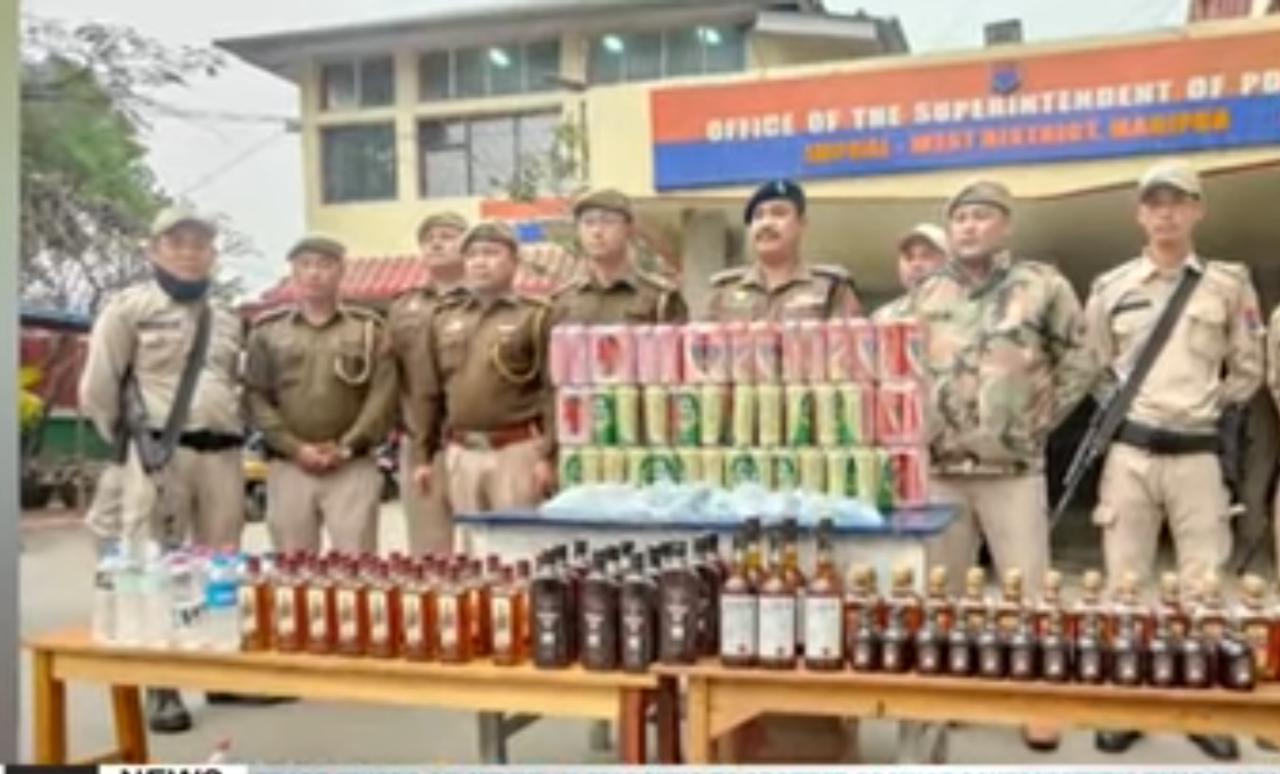
In a striking display of commitment to public safety, Manipur illicit liquor seizure operations have gained momentum, implicating widespread illegal country liquor production. Recently, the Manipur Police, with active assistance from local women’s groups, carried out successful raids across the state, underscoring their dedication to tackling this pressing issue. During these interventions, more than 1,000 liters of DIC liquor were confiscated, highlighting the extensive network behind the illicit trade. The actions taken against the distribution of this contraband not only protect consumers but also send a strong message about law enforcement’s resolve to destabilize the illegal liquor market. With such police operations on the rise, the community’s involvement is crucial in maintaining vigilance against the proliferation of liquor confiscation in Manipur.
Efforts to curb the flow of illegal spirits within the northeastern region have been bolstered by local enforcement initiatives in Manipur. The concerted actions against the illicit production of indigenous spirits demonstrate a collaborative approach, especially involving women’s organizations that play a pivotal role in advocacy. As the crackdown on unregulated distilled liquor escalates, authorities are witnessing a significant reduction in the distribution of illegal country liquor. The proactive stance adopted by law enforcement in conjunction with community groups underscores the seriousness with which they treat this challenge. By fostering awareness and participation in these initiatives, they aim to eradicate the roots of the illicit liquor trade in the region.
The recent crackdown on illicit liquor production in Manipur showcases a collaborative effort between law enforcement agencies and local organizations, particularly women’s groups. These community-driven initiatives are pivotal in enhancing public safety and health by combating the illegal trade of distilled indigenous country liquor (DIC). The operations have successfully confiscated substantial quantities of illegal liquor, with reports indicating over 1,000 liters seized in just a few coordinated efforts. Such collaboration underscores the essential role of women’s groups in community policing and advocating for public awareness regarding the dangers associated with illicit alcohol.
One notable seizure occurred in Wanglee village, where local women vigilante groups collaborated with Manipur Police to intercept vehicles transporting illegal liquor from the Thoubal district. This operation resulted in the confiscation of approximately 700 liters of illicit liquor, demonstrating the effectiveness of community engagement in law enforcement initiatives. The prompt response and coordination among these groups not only disrupted the illegal supply chain but also reinforced the importance of vigilance among local citizens in fight against illegal country liquor.
In Manipur, women’s groups have emerged as critical players in the fight against the illegal liquor trade, specifically in the context of illicit country liquor operations. These organizations have taken an active stance against the production and distribution of DIC, recognizing the detrimental effects that illicit alcohol can have on families and communities. Their grassroots approach to advocacy has galvanized support from local populations, encouraging a collective movement towards safer, alcohol-free environments. By participating in raids and recovery operations, these groups showcase their commitment and courage in addressing this pressing social issue.
The involvement of women’s groups not only aids in law enforcement efforts but also plays a crucial role in raising awareness about the dangers of illegal liquor consumption. Their initiatives often extend beyond mere confrontation of illegal activities, focusing also on educating the community about healthier lifestyle choices and the risks associated with the consumption of unregulated alcohol. Such outreach efforts further bolster the efficacy of police operations by fostering a culture of collaboration, making it increasingly difficult for illegal liquor producers to operate freely in vulnerable areas of Manipur.
Manipur Police have intensified their operations against the illegal liquor trade, as highlighted by their recent arrest of Chingakham Nilabir Singh in Imphal East district. During this operation, police confiscated approximately 270 liters of DIC liquor, along with additional half-bottles. Such proactive measures reflect the commitment of law enforcement to dismantle the networks involved in the illegal production, transportation, and sale of alcohol. The ongoing collaboration between police and community groups marks a significant shift in tackling organized crime in the region.
These operations, which are becoming more frequent in various districts of Manipur, have proven essential in not only reducing the availability of illegal liquor but also in sending a strong message to those involved in the trade. The police’s work is complemented by community support, which plays a pivotal role in identifying and reporting suspicious activities. In the wake of such operations, local authorities are expanding their focus to include educational programs aimed at deterring future illegal liquor production, thereby addressing root causes and enhancing public awareness surrounding the risks of DIC.
Alongside law enforcement actions, educational outreach programs are proving vital in combating the illegal liquor trade in Manipur. These initiatives, often spearheaded by women’s groups and supported by police, aim to inform the public about the dangers associated with consuming illicit country liquor. By organizing workshops, community meetings, and distribution of informational materials, women’s groups play an essential role in spreading awareness of both the legal consequences of participating in the illegal liquor trade and the public health risks involved in consumption.
In partnership with local schools and community centers, these awareness campaigns also provide safe spaces for discussions about addiction, rehabilitation, and the importance of seeking help. They emphasize the need for collective responsibility in protecting the youth and vulnerable members of society from the harmful effects of illicit alcohol. As communities begin to recognize the impact of their participation in the trade, the tide can shift toward a more informed and healthier population, ultimately giving rise to a culture that actively opposes illicit liquor consumption.
As law enforcement in Manipur continues to evolve in its approach towards combating the illicit liquor trade, future strategies must include comprehensive planning that integrates community feedback and innovative methods of intervention. The collaboration with women’s groups has already produced significant results, but scaling these initiatives can further enhance effectiveness. Future operations should consider localized strategies that address the specific challenges faced in different districts, employing insights from community members who are familiar with the local dynamics of illegal liquor production.
Additionally, incorporating technology such as data analysis and community reporting apps can empower citizens to report activities related to illegal alcohol production more effectively. This could facilitate quicker responses from law enforcement and create a more transparent system where communities feel directly involved. Addressing the illegal liquor crisis in Manipur will require a sustained commitment from all stakeholders, including law enforcement, community organizations, and policy makers, to create a proactive environment that discourages illegal country liquor activities effectively.
Manipur Police are intensifying their operations against illicit liquor seizure, particularly focusing on illegal country liquor production and distribution. Recent coordinated efforts include collaboration with local organizations and women’s groups Manipur, leading to significant confiscations like the 1,000 liters of illicit liquor destroyed in Wanglee village. These initiatives aim to enhance community involvement and effectively curb the illegal liquor trade in the region.
| Key Points |
|---|
| Manipur Police’s coordinated operation with women’s groups |
| Over 1,000 liters of illicit country liquor seized |
| Significant haul of 700 liters in Kamjong district |
| Drug was intercepted by local women vigilante groups |
| 270 liters recovered from a 26-year-old man in Imphal East |
| Arrested individual is named Chingakham Nilabir Singh |
| Seized liquor handed over to Excise Department for further action |
| Operations to be intensified in vulnerable areas |
The recent seizure of illicit liquor in Manipur marks a significant effort by local authorities and women’s groups to combat the illegal production and distribution of distilled indigenous country liquor (DIC). With over 1,000 liters confiscated in various operations, these joint efforts highlight the community’s commitment to addressing the pressing issue of illicit liquor trade across the state. The handover of seized contraband to the Excise Department for further action remains crucial in ensuring that such efforts are effective in curbing the problem. This collaborative approach not only emphasizes the role of local organizations in law enforcement but also aims at safeguarding public health and promoting responsible behavior in the communities of Manipur.