 11
11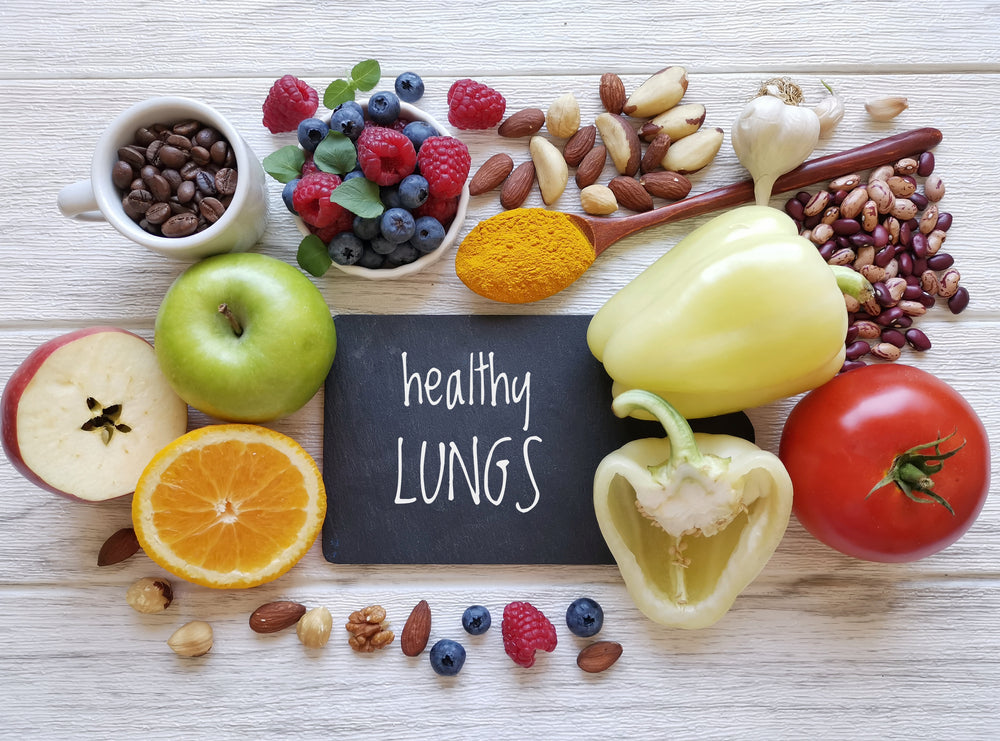
When it comes to maintaining optimal health, incorporating foods that support your lungs can significantly enhance your overall well-being. The best foods for lung health are rich in essential nutrients that improve respiratory function and protect against environmental toxins. Nutrients for better breathing, like vitamins C and E, have shown benefits in reducing inflammation and oxidative stress on lung tissues. A lung health diet that includes wholesome ingredients such as ginger, turmeric, and citrus fruits can promote better lung capacity and function. Understanding how to improve lung function through nutrition not only empowers your body but also enriches your daily life with every breath you take.
Optimal respiratory health is contingent upon what we consume, and there are specific food groups that can foster this condition. Integrating lung-friendly foods into your daily menu can provide critical support to your respiratory system, helping you breathe easier. By focusing on a diet abundant in antioxidant-rich fruits and anti-inflammatory spices, you can harness the power of nutrition for your lungs. Such a lung-boosting dietary approach is not only beneficial for immediate breathing comfort but also vital for long-term pulmonary health. Embracing nutrient-dense choices can lay the groundwork for wellness that transcends mere sustenance.
Supporting lung health involves incorporating specific foods that not only enhance respiratory function but also strengthen the immune system. For instance, foods rich in antioxidants, such as berries and leafy greens, can help combat oxidative stress caused by pollution and poor air quality. Additionally, omega-3 fatty acids found in fatty fish like salmon and sardines contribute to reducing airway inflammation, making breathing easier and more efficient.
Moreover, certain herbs and spices like garlic and cayenne pepper can improve circulation and respiratory health. Garlic, known for its anti-inflammatory properties, can support the lungs in detoxifying harmful substances. Meanwhile, cayenne pepper contains capsaicin, which can act as a natural expectorant and help clear mucus from the airways. By fostering a diverse diet centered around these foods, individuals can take proactive steps towards bolstering their lung capacity and overall respiratory well-being.
When it comes to the best foods for lung health, several nutritional powerhouses stand out. For example, cruciferous vegetables like broccoli and Brussels sprouts are loaded with nutrients that support lung function. They contain glucosinolates that activate protective enzymes in the lungs, and their high fiber content aids in maintaining optimal respiratory health and reducing inflammation over time.
Furthermore, nuts and seeds, particularly walnuts and flaxseeds, are beneficial due to their high omega-3 content, which helps reduce inflammation and promotes improved lung function. Adding a handful of nuts to daily meals or snacks can effectively support lung health, making it an easy yet impactful dietary choice for anyone looking to enhance their respiratory wellness.
A key aspect of maintaining lung health is the incorporation of specific nutrients that are essential for better breathing. For instance, Vitamin C, found abundantly in citrus fruits and bell peppers, is crucial for protecting lung tissue and improving immune responses. This vitamin helps to stave off respiratory infections and provides antioxidant protection that counteracts free radicals that can harm lung cells.
Additionally, magnesium plays an indispensable role in lung function, aiding in the relaxation of bronchial muscles, thus supporting pain-free breathing. Foods high in magnesium, such as spinach, avocados, and dark chocolate, can make a significant impact. Including these foods in your diet helps promote optimal lung function and can lead to long-term respiratory health benefits.
Improving lung function goes beyond just mindful eating; it requires strategic dietary choices that focus on nutrient-dense items. Foods high in antioxidants, like berries and beetroot, have been shown to enhance lung function by reducing inflammation and promoting better oxygen absorption. These foods can easily be added to smoothies, salads, or as snacks, ensuring consistent intake of lung-nourishing nutrients.
In addition to antioxidants, incorporating foods rich in anti-inflammatory properties, such as olive oil, turmeric, and ginger, can facilitate better lung health. Regularly including these items in your cooking can help mitigate the effects of pollutants and allergens. Embracing a diet built on such foundational ingredients not only fosters improved lung function but also enriches overall health and well-being.
A lung health diet is not just about eating specific foods; it’s about creating a balanced plate that supports respiratory efficiency while providing overall nourishment. Aim for a colorful variety, including leafy greens, vibrant fruits, and healthy fats. This diversity ensures that you receive an array of nutrients essential for maintaining lung function and supporting physiological processes.
Additionally, staying hydrated is crucial for lung health. Drinking sufficient water aids in thinning mucus and promoting clearer airways. Including hydrating foods like cucumbers, celery, and melons can be beneficial. By focusing on hydration and a medley of lung-supportive foods, you set the stage for sustained lung health and improved well-being.
The connection between lungs and nutrition is profound, as what we consume can directly impact lung health. Certain nutrients, such as vitamins A, C, and E, found in a variety of fruits and vegetables, play essential roles in maintaining the structural integrity of lung tissues and enhancing immune function. A diet rich in these vitamins helps to fortify lung defenses against pathogens and airborne irritants.
Moreover, fiber-rich foods contribute to reduced inflammation, which is beneficial for those suffering from chronic respiratory diseases like asthma and COPD. Whole grains, legumes, and fresh fruits support lung function by promoting a healthy microbiome and enhancing overall immune health. Recognizing this powerful relationship allows individuals to make informed dietary choices that significantly improve their respiratory well-being.
Breathing new life into your diet with respiratory-friendly foods can yield fantastic benefits for lung health. Incorporating staple foods like kale, garlic, and apples can do wonders for improving lung function. Kale is a nutrient-dense green that is rich in antioxidants, aiding in reducing oxidative stress on lung tissue. Garlic provides anti-inflammatory properties that help clear the airways.
Furthermore, apples, loaded with flavonoids, have shown potential in reducing the risk of lung disease. Including these foods regularly not only boosts lung health but also enhances overall nutritional balance. By making these thoughtful additions, you empower your respiratory system and embrace a diet that supports vitality.
Establishing daily habits around lung health involves more than just food choice; it’s about consistency and the integration of small, healthy practices into your routine. Begin with making a conscious decision to select lung-supporting ingredients when shopping or preparing meals. This could mean opting for fresh herbs, whole grains, and colorful fruits that offer not just visual appeal but also substantial health benefits.
Additionally, meal prepping with lung-supportive foods can streamline your efforts, ensuring that healthy options are readily available throughout the week. Creating a repository of recipes centered around these ingredients can transform routine meals into powerful tools for enhancing lung health and fostering a positive approach to personal nutrition.
Investing in lung health through food choices is a pivotal endeavor that influences long-term respiratory wellness. By consciously choosing foods enriched with vitamins, minerals, and antioxidants, you ensure the functionality of your lungs is optimized. Foods such as pears, nuts, and dark leafy greens offer significant health benefits that align closely with lung support, making them worth incorporating into daily meals.
Ultimately, adopting a lung health-centric diet reflects a commitment to overall well-being. These intentional choices not only enhance respiratory health but also build a resilient foundation for illness prevention and improved quality of life over time. Understanding that these food-related investments yield long-lasting results can inspire individuals to prioritize nourishing their lungs effectively.
Incorporating certain foods into your diet can greatly support lung health. The best foods for lung health include ginger and turmeric, which contain anti-inflammatory compounds that can help ease airway inflammation. Citrus fruits, rich in Vitamin C, protect lung tissue from oxidative stress caused by pollution. Leafy greens like spinach and kale are also beneficial due to their high antioxidant content. Regularly consuming these foods can enhance your lung function and promote better breathing.
| Key Point | Foods | Benefits |
|---|---|---|
| Lung Health | Ginger, Turmeric, Citrus Fruits | Reduce airway inflammation, protect lung tissue from oxidative stress. |
| Liver Health | Cruciferous Vegetables (like Broccoli), Green Tea, Olive Oil | Activate detoxifying enzymes, support fat metabolism, reduce unhealthy fat accumulation. |
| Gut Health | Curd, Bananas, Chia Seeds | Promote beneficial bacteria, enhance gut barrier, alleviate bloating. |
| Eye Health | Carrots, Sweet Potatoes, Amla (Indian Gooseberry) | Provide Vitamin A for vision protection, safeguard retina from oxidative damage. |
Foods that support your lungs play a crucial role in maintaining respiratory health. The right nutritional choices can significantly enhance how well your lungs function by reducing inflammation and protecting against oxidative damage. Incorporating antioxidant-rich foods such as citrus fruits for Vitamin C, ginger and turmeric for their anti-inflammatory properties, and making these simple dietary adjustments can lead to improved breathing ease. Consistent daily investments in these versatile foods not only support lung health but also promote overall well-being, combating the effects of pollutants and stressors in our environment. Embracing these healthy options as part of your regular diet can ensure your lungs receive the care they need to thrive.