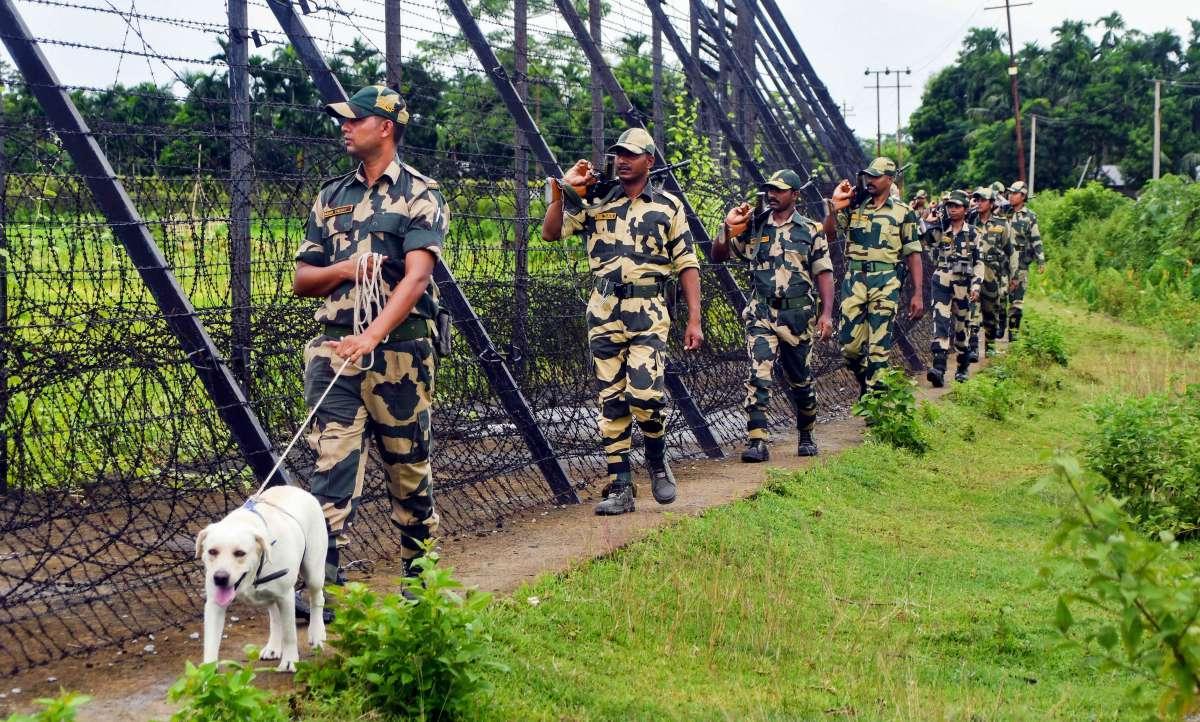
The recent India Bangladesh border incident has escalated tensions between the two nations, as the Border Security Force (BSF) was involved in a shooting that resulted in the deaths of two Bangladeshi nationals suspected of smuggling fish fingerlings. This unfortunate event unfolded near the zero point in Tripura’s Sepahijala district, where a BSF patrol confronted a group allegedly engaged in illicit activities. Reports indicate that when the BSF attempted to intervene, they faced aggression from the suspected smugglers, leading to defensive measures being taken by the security personnel. The situation was intense, with stones hurled at the troops before the BSF resorted to firing shots to protect themselves. Such incidents highlight the persistent challenges in border security between India and Bangladesh, drawing further attention to the complexities surrounding border management and illegal activities, including the notorious Bangladesh smuggling practices.
In an alarming episode along the India-Bangladesh frontier, the recent shooting incident reveals the ongoing challenges faced by security forces in managing border control and illegal migration. The clash involved the Border Security Force, which was responding to a suspected smuggling operation purportedly taking place under the cover of darkness. Allegations have surfaced that a group of Bangladeshis, with the aid of Indian accomplices, were trying to breach the international boundary for illicit purposes, which ultimately led to a tragic confrontation. Such incidents not only complicate diplomatic relations but also underscore the pressing need for enhanced border surveillance and cooperative security efforts to mitigate risks associated with cross-border crime.
The Impact of the India-Bangladesh Border Incident on Border Security
The recent incident along the India-Bangladesh border has brought to light the pressing challenges faced by border security forces. On a routine patrol, the Border Security Force (BSF) encountered alleged smugglers attempting to transport fish fingerlings into Bangladesh. This confrontation escalated into violence, showcasing the risks involved in maintaining border integrity. Such incidents not only threaten law enforcement personnel but also highlight the complex dynamics of cross-border smuggling, which has been a persistent issue in this region.
Moreover, the implications of this incident extend beyond immediate border security concerns. The death of two Bangladeshi nationals raises questions about the ongoing tensions between India and Bangladesh regarding illegal activities along their shared border. Increased vigilance and collaboration between the BSF and the Border Guard Bangladesh (BGB) are essential to curb smuggling while ensuring that such tragic events do not recur. This incident serves as a critical reminder that robust border management and diplomatic engagement are vital to enhancing regional stability.
Understanding the Context of Smuggling along the India-Bangladesh Border
Smuggling activities across the India-Bangladesh border have been an enduring challenge for law enforcement agencies. With a porous border spanning over 4,000 kilometers, illicit trade, including the smuggling of fish and other goods, has flourished. The recent shooting incident, involving two Bangladeshi nationals being killed while allegedly engaging in smuggling, exemplifies the desperate measures some individuals may take. The BSF’s engagement highlights both the enforcement of border security and the human stories behind these illegal crossings.
Additionally, the interaction between smugglers and security personnel often escalates into violent confrontations, significantly complicating efforts to maintain security and order. The BSF repeatedly warns against illegal activities and seeks to prevent smuggling incidents; however, as seen in this case, the situation can quickly escalate to life-threatening encounters. Effective border management strategies must not only address the immediate security concerns but also consider socioeconomic factors that drive individuals towards smuggling, ensuring a more comprehensive approach to border control.
The Role of the BSF in Maintaining Border Security
The Border Security Force (BSF) plays a crucial role in safeguarding India’s extensive borders, particularly in regions prone to smuggling and illegal crossings. This paramilitary force is tasked with preventing unauthorized immigration, smuggling, and cross-border crimes. In light of the recent incident, it’s evident that the BSF’s patrols are vital in curbing illegal operations and ensuring the safety of national borders. Their efforts often involve high-stakes encounters, where the risks to personnel and local populations can escalate rapidly.
Despite the challenges they face, the BSF remains committed to its mission of maintaining border integrity. Incidents like the unfortunate shooting of two Bangladeshi nationals serve as a stark reminder of the dangerous environment in which these forces operate. Continuous training, updated equipment, and collaborative operations with neighboring country’s border guards, like the BGB, are essential for effective border security management. This security dynamic is pivotal in addressing not only immediate threats but also long-term stability in the region.
Addressing Cross-Border Smuggling Issues
Cross-border smuggling presents ongoing difficulties for both India and Bangladesh, affecting not only the enforcement of law and order but also the livelihood of communities on both sides. The recent firing incident highlights a widespread issue, where local populations engage in illegal trade networks often out of economic necessity. The BSF’s efforts to thwart these smuggling attempts are critical, yet they must also consider humanitarian angles and the underlying economic conditions that drive these activities.
To effectively address these challenges, both nations need to invest in joint strategies that discourage illegal smuggling while supporting legitimate trade and local economies. By promoting alternative livelihood programs and enhancing border security cooperation, both countries can address the root causes of smuggling. A balanced approach can reduce tensions and contribute to a more stable and prosperous region for both Indian and Bangladeshi citizens.
The Aftermath of the Tripura Shooting Incident
The aftermath of the shooting incident in Tripura has raised significant concerns about the enforcement of border policies and the humanitarian implications of such encounters. Following the tragic death of the two suspected smugglers, discussions about the measures necessary to ensure safety on both sides of the border have gained momentum. Authorities must thoroughly investigate these incidents to evaluate the effectiveness of engagement rules for BSF personnel and how they can mitigate such occurrences in the future.
Furthermore, as the incident continues to draw media attention, it underscores the urgent need for dialogue and cooperation between the BSF and BGB. These discussions could aim at establishing clearer communication channels and frameworks for handling similar situations in the future. Addressing the fallout from such incidents not only helps in preserving lives but also forms the basis for building trust and reducing the atmosphere of hostility that often accompanies border tensions.
Community Reactions to the Border Incident
The recent border incident has elicited varied reactions from communities on both sides of the India-Bangladesh border. Many locals express empathy for the deceased smugglers, who are often perceived as victims of circumstance rather than criminals. Community narratives highlight the economic struggles that compel individuals to engage in smuggling, thus fostering a complicated relationship with security forces. This public sentiment reflects a broader understanding of the socioeconomic factors influencing such illegal activities.
Conversely, there are calls for greater enforcement of border security measures to protect local businesses from the impacts of smuggling. Traders and residents alike are increasingly concerned about how these illegal activities affect their livelihoods and safety. Engaging with local communities in finding solutions to these issues can help shift perceptions and create a more nuanced approach to border security that addresses both the enforcement of laws and the socioeconomic realities faced by border populations.
The Future of India-Bangladesh Border Relations
The future of India-Bangladesh border relations is intricately linked to incidents like the recent Tripura shooting, placing border security and cooperation at the forefront of both nations’ agendas. As they navigate these challenges, strengthening bilateral ties through open communication and understanding can foster a more harmonious relationship. Diplomatic engagements focusing on border management and addressing smuggling activities can lead to reduced tensions and enhanced cooperation between the two countries.
Looking ahead, investments in border infrastructure, enhanced surveillance technology, and joint training of border security personnel will be vital to evolving border management strategies. By adopting comprehensive and collaborative approaches, India and Bangladesh can work together to address the multitude of challenges posed by border security while facilitating legitimate trade and easing economic hardships faced by local populations.
Strengthening Border Security Protocols
In light of the recent shooting incident, there is an urgent need to review and strengthen border security protocols implemented by the BSF. These protocols should encompass measures that ensure the safety of both security personnel and individuals residing along the border. Comprehensive training programs that emphasize conflict de-escalation and rules of engagement could be instrumental in preventing violence through proactive communication and awareness.
Additionally, increased collaboration with the Border Guard Bangladesh (BGB) is essential in promoting transparency and mutual understanding of operational challenges faced by both forces. Joint workshops and regular meetings can help develop coordinated responses to smuggling incidents that respect human rights while effectively enforcing border regulations. Such advancements in security protocols may also enhance the trust of local communities in border management practices.
The Socioeconomic Drivers of Smuggling
Understanding the socioeconomic drivers of smuggling is critical to addressing the issues faced along the India-Bangladesh border. Economic disparity and limited opportunities in border areas often compel individuals to seek alternative means of income, including smuggling. This reality underscores the importance of addressing the root causes of illegal trade rather than merely focusing on punitive measures. Community engagement initiatives aimed at fostering sustainable development can prove effective in combating smuggling.
By providing resources for education, employment opportunities, and local business support, both nations can create an environment where residents are less likely to resort to illegal activities for survival. Policymakers must consider innovative socioeconomic programs that address these underlying issues while also reinforcing border security. A dual approach that combines enforcement with community development is essential for long-term success.
Frequently Asked Questions
What were the details of the recent India Bangladesh border incident involving the BSF?
On Sunday, the Border Security Force (BSF) handed over the bodies of two Bangladeshi nationals, Nabir Hussain and Md. Mursalin, to Bangladeshi authorities after they were killed during a confrontation related to smuggling activities near the India-Bangladesh border in Tripura. The incident occurred when the BSF patrol spotted a group attempting to illegally smuggle fish fingerlings across the border. Despite warnings, the smugglers allegedly attacked the BSF personnel with stones, prompting the troops to respond in self-defense. The situation escalated, resulting in the tragic deaths of the two suspects.
| Key Point | Details |
|---|---|
| Incident Date | Sunday, following an incident on Saturday night |
| Location | Near the India-Bangladesh border in Tripura’s Sepahijala district |
| Victims | Nabir Hussain (40) and Md. Mursalin (22), both Bangladeshi nationals |
| Incident Description | BSF personnel fired upon suspected smugglers during a confrontation |
| Response to Smuggling | BSF attempted to stop smugglers; escalation led to self-defense firing |
| Injuries and Fatalities | Two suspects succumbed to injuries after being shot |
| Further Developments | Reports of 15 Bangladeshi nationals allegedly crossing into India for smuggling |
| Response from Authorities | BGB received the bodies and reported injured smugglers taken to Comilla |
Summary
The recent India Bangladesh border incident has highlighted the ongoing tensions and complexities surrounding cross-border smuggling activities. The tragic loss of two Bangladeshi nationals during a confrontation with Border Security Force personnel reflects the challenges faced in managing illegal activities near the border. With incidents of smuggling, particularly of fish fingerlings, becoming increasingly common, authorities on both sides must find a balance between enforcing border security and addressing the socio-economic factors driving such activities. As Bangladesh and India navigate these complexities, it is essential for both nations to enhance cooperation to prevent future incidents and ensure the safety of their border areas.