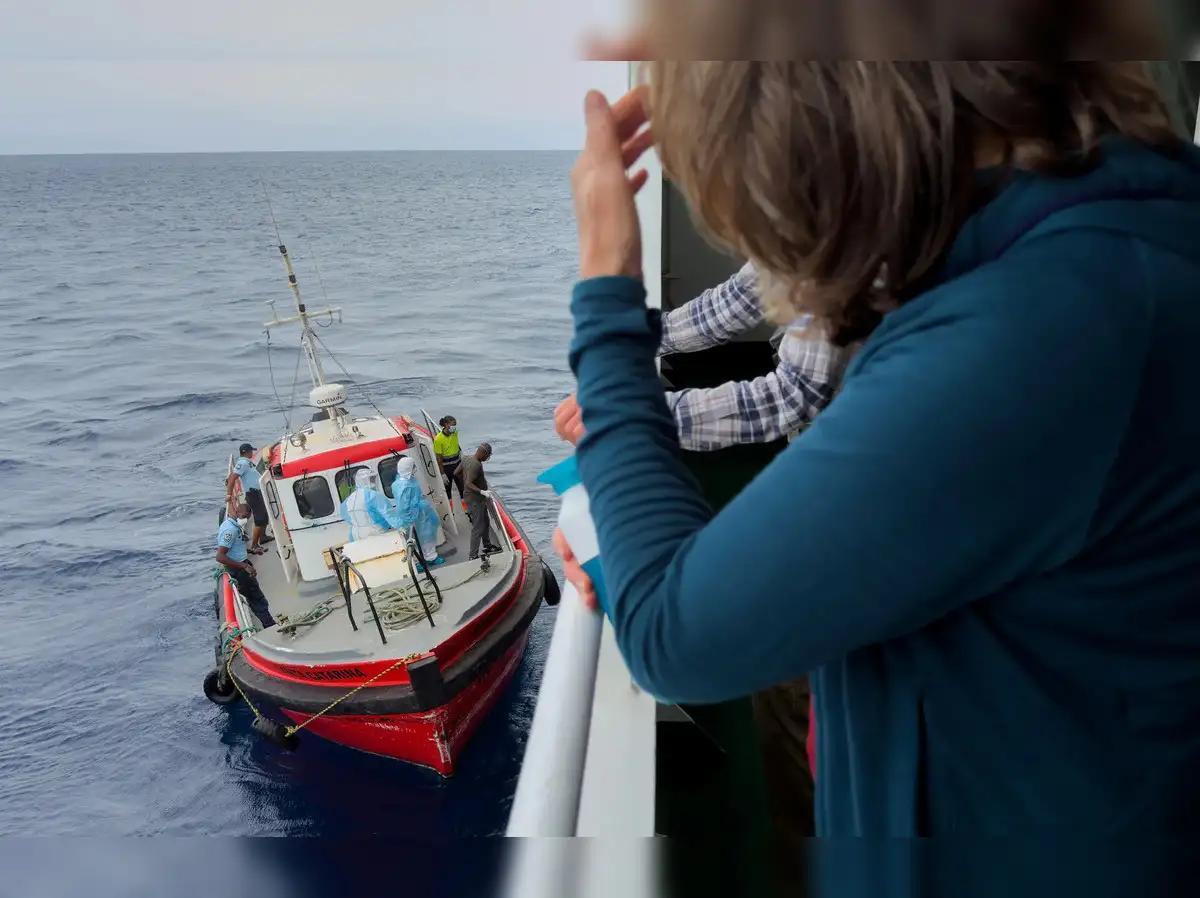
Hantavirus is an alarming viral infection that has captured the attention of health officials following a recent hantavirus outbreak linked to a cruise ship. Reports confirm that a US passenger who was evacuated from the affected vessel has tested positive for the virus, although he currently shows no hantavirus symptoms. This incident raises concerns about hantavirus transmission, especially since the outbreak includes a strain capable of rare person-to-person infection. Additionally, the timeline for the emergence of hantavirus symptoms can vary greatly, ranging from one to eight weeks after exposure. With the increase in hantavirus cases reported, it’s crucial to stay informed about the risks associated with such infections and the necessary precautions to take.
Recently, an alarming viral concern dubbed ‘hantavirus’ has emerged, particularly highlighted by an outbreak from a cruise ship. This virus, primarily known for its potential health threats, can lead to serious respiratory issues among those exposed. Although commonly transmitted through rodent droppings or urine, the recent incident raises questions about its transmission dynamics in the context of human interactions. Individuals who have come into contact with this virus may experience a range of symptoms, with some not surfacing until several weeks after exposure. As the number of reported cases increases, understanding the implications of this viral infection becomes even more crucial for public health safety.
Understanding Hantavirus: An Overview
Hantavirus is a group of viruses that can lead to hantavirus pulmonary syndrome (HPS) in humans, a serious respiratory disease that can be fatal. Although hantavirus transmission is primarily associated with rodent droppings, urine, and saliva, very rare instances of human-to-human transmission have been recorded, particularly with the Andes strain prevalent in South America. As awareness of hantavirus increases, especially following notable outbreaks on cruise ships, it’s crucial to recognize the symptoms and potential risks associated with exposure.
Common hantavirus symptoms include fever, fatigue, muscle aches, dizziness, and abdominal problems, which typically arise within one to eight weeks after exposure to the virus. Due to the serious nature of the disease, understanding how hantavirus spreads and the conditions that lead to outbreaks is essential for maintaining safety and health, particularly for travelers in outdoor or cruise settings where rodent exposure might occur.
Hantavirus Outbreak: Recent Events and Implications
The recent hantavirus outbreak linked to a cruise ship highlights the importance of vigilant health measures and awareness among travelers. Passengers evacuated from the MV Hondius after it was reported to be infected showcased the rapid response by health officials who prioritized public safety. The incident underscores how outbreaks can occur in confined spaces, such as cruise ships, where multiple individuals can be exposed to infected rodents or their waste.
Travelers should be aware that while cases of hantavirus are rare, they can have severe consequences. The infected US passenger, who is currently asymptomatic, serves as a reminder of the virus’s unpredictable nature. Health officials are continuing to monitor the situation closely, emphasizing that knowledge about hantavirus symptoms and prevention is crucial when traveling in regions known for such outbreaks.
Symptoms of Hantavirus: What to Watch For
Identifying hantavirus symptoms early is vital for timely medical intervention. Key symptoms can develop over a few weeks, starting with mild flu-like signs that may escalate quickly to severe respiratory distress. Commonly reported symptoms include fever, chills, muscle aches, and gastrointestinal disturbances. Being vigilant about these symptoms, especially after potential exposure areas such as a cruise ship or rural lands where there may be rodent activity, can be life-saving.
Even though the majority of hantavirus cases stem from contact with rodent droppings and urine, it is crucial to remember that secondary transmission is a concern in specific situations, most notably where the Andes strain is involved. Thus, recognizing and reporting any manifestation of symptoms after exposure is essential, as it can lead to quicker diagnosis and treatment options for those affected.
Transmission of Hantavirus: Key Insights
Understanding how hantavirus is transmitted can help mitigate the risk of infection. The primary mode of transmission is through inhalation of aerosolized droplets from rodent excrement, making environments with high rodent populations particularly dangerous. Health officials emphasize that while human-to-human transmission is substantially rarer, documented cases related to the Andes strain demonstrate the need for increased caution among individuals.
Preventative measures, such as maintaining a clean living environment and immediate reporting of rodent infestations, are vital for preventing hantavirus outbreaks. Awareness and effective responses to outbreaks, such as the one experienced on the cruise ship MV Hondius, further enlighten public understanding of the risks associated with hantavirus transmission, pushing for wider educational campaigns on sanitation and health.
The Impact of Hantavirus Outbreaks on Public Health
Hantavirus outbreaks serve as critical public health reminders about zoonotic diseases and their potential for rapid spread. The recent cruise ship incident has sparked conversations among health officials on the need for stringent health protocols on voyages that traverse areas at risk for hantavirus. Enhanced screening for symptoms and information dissemination about preventive measures can contribute significantly to controlling outbreaks.
Moreover, public health authorities may call upon travel companies and cruise lines to implement stricter sanitation methods and passenger health safety measures. By prioritizing hygiene and preparedness in the face of zoonotic diseases such as hantavirus, public health can rein in the incidences that may arise from human and animal interactions, ultimately saving lives.
Cruise Ship Safety: Reducing Hantavirus Risks
Cruise ships have become popular travel destinations but can pose unique health risks due to close-quarters living and the potential for zoonotic diseases like hantavirus. The recent outbreak associated with the MV Hondius highlights the importance of cruise line adherence to public health standards, specifically concerning rodent control and sanitation practices. Measures such as onboard health screenings and immediate response protocols to suspected illness can significantly reduce the risks of virus transmission.
Passengers should also be educated on the signs of hantavirus and the importance of reporting any symptoms post-cruise, particularly if they have been to areas known for rodent activity. Enhanced communication between health authorities and cruise operators can aid in creating a safer travel experience, helping to minimize the chances of future outbreaks while ensuring passengers are well-informed.
Preventative Measures Against Hantavirus
Preventing hantavirus infections revolves around education and awareness of risks associated with rodent interactions. For individuals who spend time in rural areas or engage in activities that may expose them to rodent droppings, such measures include wearing gloves and masks when cleaning or entering potentially contaminated areas. Understanding the environment where hantavirus is viable is key for minimizing exposure.
Moreover, developing awareness campaigns about hantavirus prevention can empower communities and travelers alike to take proactive measures. Organizations can implement workshops that teach individuals about safe sanitation practices, recognition of hantavirus symptoms, and emergency response steps in the event of suspected exposure, helping to increase public awareness and preparedness for future encounters.
Hantavirus Case Studies: Learning from the Past
Analyzing past hantavirus outbreaks provides insight into effective prevention and response strategies. Learning from the cruise ship outbreak example, health officials can assess what measures were taken and what could be improved for future incidents. Such case studies not only highlight the diverse transmission routes of hantavirus but also emphasize the importance of collaboration between public health officials and travel industry stakeholders.
Furthermore, documenting hantavirus cases can guide future research and public health policies. By understanding the specific circumstances that led to previous outbreaks, authorities can delineate effective intervention methods to prevent or manage such situations moving forward. Combining historical knowledge with modern technology may lead to more advanced techniques in tracking and managing hantavirus risks globally.
Traveling During Hantavirus Outbreaks: Essential Tips
Traveling during known hantavirus outbreaks necessitates special precautions to ensure personal safety and health. Travelers should remain vigilant about their destination’s health advisories and be informed about potential outbreaks before embarking on their trips. It is also wise to keep basic health supplies handy, such as hand sanitizers and disinfectant wipes, especially when visiting regions where rodent exposure is a potential risk.
Additionally, outdoor travelers should familiarize themselves with preventive measures against hantavirus, including avoiding contact with wildlife and ensuring accommodations are free from rodent infestations. Knowledge about the symptoms of hantavirus can empower travelers to take prompt action if they begin to feel unwell after a period of potential exposure.
Frequently Asked Questions
What are the symptoms of hantavirus and how long after exposure do they appear?
Hantavirus symptoms typically appear one to eight weeks after exposure to the virus. Early symptoms may include fever, muscle aches, and dizziness, which can progress to severe respiratory distress. It’s crucial to monitor for any symptoms especially in the context of a hantavirus outbreak.
| Key Point | Details |
|---|---|
| Positive Case | A US passenger evacuated from a cruise ship has tested positive for hantavirus. |
| Symptoms | The passenger has not exhibited symptoms yet, but they can develop between one to eight weeks after exposure. |
| Transmission | The Andes strain of hantavirus, identified in this outbreak, may transmit between individuals in rare cases. |
| Sanitation Measures | Passengers, including a Spanish passenger, are being disinfected before boarding flights after leaving the infected ship. |
Summary
Hantavirus is a serious viral infection that requires close monitoring, particularly when tracing contacts of infected individuals. Recently, an incident involving a US passenger from a hantavirus-affected cruise ship tested positive for the virus, raising concerns about potential outbreaks. Although the individual showed no symptoms initially, it is critical to understand that symptoms can develop anywhere from one to eight weeks following exposure. Additionally, the transmission of the specifically identified Andes strain between individuals, though rare, is a cause for concern. Health officials are taking necessary precautions, such as sanitation measures for all passengers disembarking from the ship, to prevent further spread.