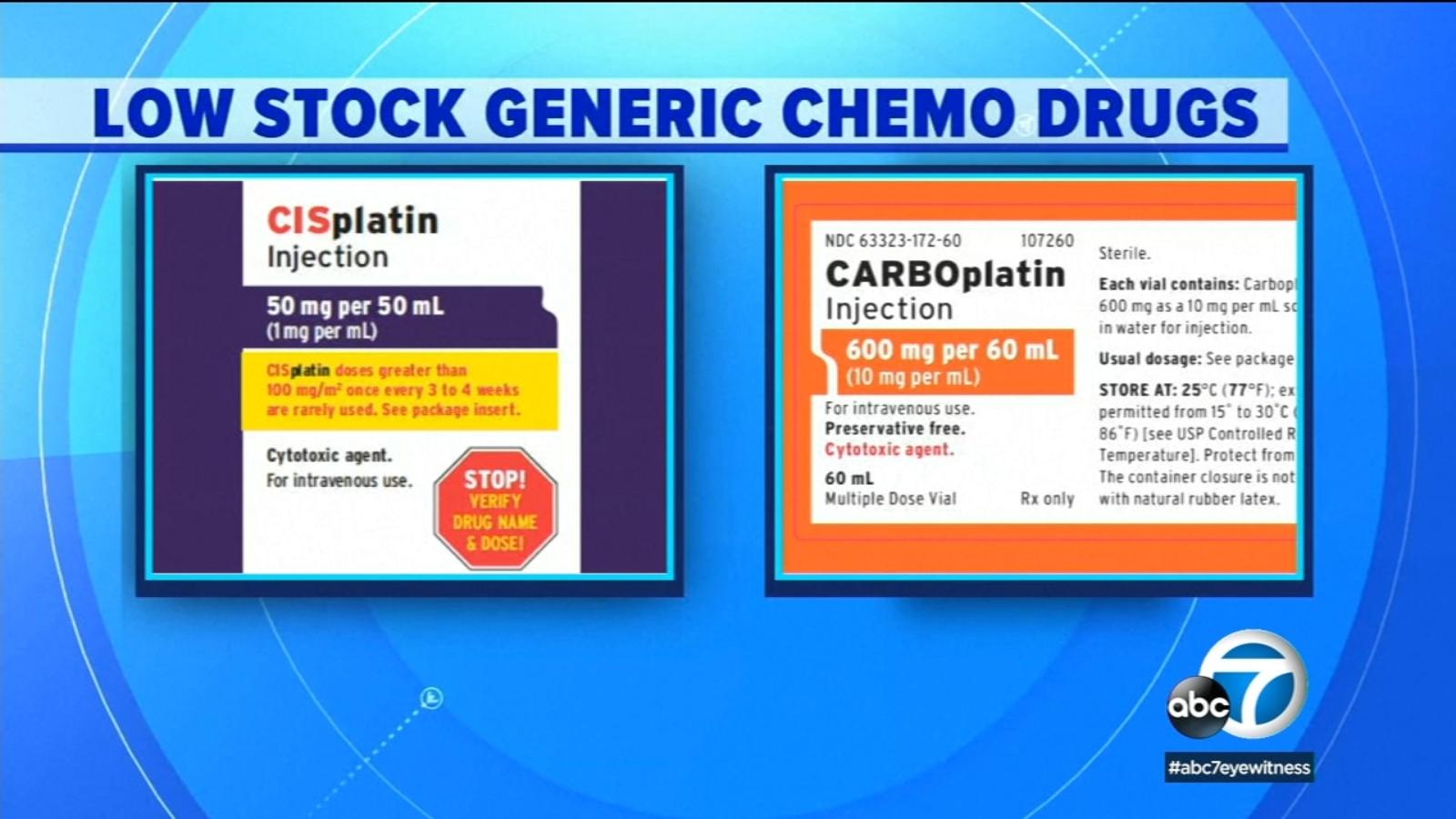
Cancer drug shortages have become a pressing issue for patients and healthcare providers alike, prompting the National Pharmaceutical Pricing Authority (NPPA) to take urgent action by raising the prices of essential treatments such as Carboplatin and Cisplatin. This significant price hike, which reaches up to 50%, has been attributed to escalating raw material costs and ongoing supply chain issues that have compromised availability. As the NPPA aims to stabilize the supply of these vital cancer medications, concerns grow regarding the broader implications for drug pricing and accessibility. Additionally, in tandem with these adjustments, new pricing policies have been implemented for key vaccines to safeguard against similar shortages in immunological treatments. With rising concerns over healthcare affordability, understanding the factors driving these drug pricing changes is crucial for patients and providers navigating the complex landscape of cancer treatment.
The ongoing deficiencies in the availability of cancer therapies underline a critical healthcare dilemma impacting numerous patients facing severe illnesses. These shortages, particularly of vital medications like Carboplatin and Cisplatin, have prompted regulatory bodies such as the NPPA to intervene with significant price adjustments. Such measures aim not only to counterbalance increased production costs but also to ensure that essential treatments remain accessible amid fluctuating market conditions. The interplay between drug production challenges and pricing structures highlights the urgent need for effective solutions to uphold therapeutic availability. Overall, this situation reflects a broader trend in the healthcare landscape where supply chain disruptions and regulatory responses shape the accessibility of critical treatments.
Understanding Cancer Drug Shortages and Their Impact
Cancer drug shortages have become a pressing concern in healthcare, particularly affecting patients who depend on timely and effective treatment options. Shortages of critical medicines such as Carboplatin and Cisplatin can lead to significant delays in therapy, adversely impacting patient outcomes. These shortages usually arise due to a multitude of factors including manufacturing disruptions, lack of raw materials, and even pricing strategies adopted by pharmaceutical companies. As these medications are vital in the treatment of various cancers, their unavailability can create a dire situation for both patients and healthcare providers.
The National Pharmaceutical Pricing Authority (NPPA) has taken steps to address these shortages by permitting a 50% price increase for key cancer drugs. By increasing the ceiling prices, the NPPA aims to incentivize manufacturers to boost production and ensure these critical treatments remain accessible to patients. However, while this measure may resolve immediate supply issues, it raises questions about the sustainability of drug pricing and the long-term implications for healthcare affordability.
NPPA’s Price Increase: A Response to Rising Costs
The recent decision by the NPPA to raise prices for Carboplatin and Cisplatin injections stems from escalating costs associated with raw materials. As global supply chains are affected by various factors, including health crises and geopolitical tensions, manufacturers struggle with increased expenditures. The NPPA’s strategy reflects an understanding that, without proper financial considerations, drug availability may continue to dwindle, thereby compromising patient care. By reassessing the ceiling prices, the authority is attempting to stabilize the market while maintaining a focus on essential treatments.
Moreover, this price hike is not limited to cancer drugs; it also encompasses important vaccines such as BCG, Measles, and Measles-Rubella. These adjustments highlight the NPPA’s broader strategy to safeguard public health against shortages while balancing the economic realities faced by pharmaceutical manufacturers. Ensuring a steady supply of medications and vaccines is crucial, especially in light of increased demand during health emergencies, as well as ongoing concerns regarding the availability of essential drugs.
The Role of Drug Pricing Authorities in Health Care
Drug pricing authorities like the NPPA play a critical role in managing the balance between fair pricing and drug availability. Conducting ongoing discussions with manufacturers helps them to understand market dynamics and address any emerging supply bottlenecks effectively. This proactive engagement is vital in ensuring that essential treatments remain within reach for patients who need them the most. The intersection of drug pricing and patient access is a complex issue, particularly when it comes to life-saving medications used in cancer treatment.
Additionally, drug pricing authorities must navigate the delicate balance of ensuring pharmaceutical companies remain profitable while also keeping essential medicines accessible to the population. Inevitably, the challenge lies in managing the consequences of price increases on overall drug availability. As the NPPA continues its efforts to stabilize the market, the necessity of transparent communication and collaboration among all stakeholders—including manufacturers, healthcare providers, and patients—remains paramount in achieving the best health outcomes.
Navigating Vaccines Availability Amid Drug Supply Issues
Aside from cancer drug shortages, the NPPA has been active in revising prices for childhood vaccines to ensure their continued availability. Vaccines are a cornerstone of public health, preventing infectious diseases that could exacerbate the already strained healthcare system. The importance of maintaining a steady supply of vaccines cannot be overstated, especially during times of increased health risks where vaccination campaigns become crucial.
The price revisions signify an acute awareness of the interconnected nature of drug supply chains and public health needs. By addressing pricing for vaccines alongside cancer medications, the NPPA acknowledges that these issues are not isolated; both are integral to optimal health outcomes. Ensuring that children receive necessary vaccinations helps ward off outbreaks and preserves the public health infrastructure that is vital for combating other health challenges.
Impact of the Cisplatin Price Hike on Patient Care
The recent price hike of Cisplatin, a key drug used in cancer therapies, is likely to resonate across the healthcare landscape significantly. As costs for essential treatments rise, patients may face increased financial burdens, especially if insurance coverage proves insufficient. This financial strain can lead to difficult decisions for patients regarding their treatment options, and it calls into question the overall accessibility of life-saving drugs.
Moreover, the price increase can affect not only individual patients but also healthcare facilities that must budget for supplies. Hospitals and clinics may find themselves re-evaluating treatment protocols, potentially leading to delays in administering necessary therapies. As healthcare systems strive to provide top-tier cancer care, the ripple effects of drug pricing decisions like the Cisplatin price hike underscore the crucial need for careful policymaking that takes patient welfare into account.
Understanding the Carboplatin Supply Issues
Carboplatin supply issues are a significant concern in cancer treatment, as this medication is commonly used in the management of various malignancies. The challenges surrounding Carboplatin availability can stem from numerous sources, including disruptions in manufacturing processes and fluctuations in the supply of raw materials needed for production. Each supply chain disruption not only affects individual patients but can also have broader implications for oncology practices that rely on a steady flow of medications.
As the demand for Carboplatin remains high due to its efficacy in treating several cancers, the NPPA’s recent price adjustments may encourage manufacturers to prioritize production. However, it is crucial that these price increases translate into tangible improvements in supply. Stakeholders, including healthcare providers, patients, and the pharmaceutical industry, must work collaboratively to prevent future shortages and ensure that essential cancer treatments remain accessible.
The Relationship Between Drug Pricing and Patient Outcomes
The interplay between drug pricing and patient outcomes is a complex issue that warrants careful examination. When the prices of essential medications, such as cancer drugs, escalate, the repercussions on patient care can be profound. A higher price point can lead to reduced access—ultimately affecting treatment adherence and health outcomes. In light of this, it becomes increasingly imperative for pricing authorities to assess the long-term implications of their pricing strategies on patient care.
Moreover, the focus on affordable medications is a critical dimension in the global conversation about healthcare equity. Addressing the costs associated with cancer treatments and their impact on patient outcomes underscores the need for a system that prioritizes both the economic viability of pharmaceutical companies and the health of the population. Strategies must include stakeholder engagement and transparent dialogues to foster an environment where drugs are both accessible and affordable for all patients.
The Future of Drug Availability: Balancing Supply and Demand
The future of drug availability, particularly for critical cancer medications, hinges on effectively balancing supply and demand. As healthcare systems become increasingly strained, it is essential to ensure that patients can access the medications they require without unnecessary barriers. Engaging in transparent dialogue between governing bodies like NPPA, healthcare providers, and pharmaceutical manufacturers is crucial for creating robust strategies that address the root causes of drug shortages.
In the long term, proactive measures will be necessary to mitigate future shortages. This could include fostering innovation in drug manufacturing processes, incentivizing production capacity expansion, and ensuring that supply chain disruptions are promptly addressed. By adopting a multifaceted approach to drug availability, stakeholders can work collectively to create a healthcare environment where patients have uninterrupted access to the treatments that save lives.
Health Crisis Preparedness: Lessons from the Current Drug Shortages
The current cancer drug shortages serve as a crucial reminder of the importance of health crisis preparedness. As unforeseen circumstances can severely disrupt the availability of essential medications, it is imperative that health authorities and pharmaceutical companies develop robust contingency plans. These plans should address potential supply chain vulnerabilities and develop rapid response mechanisms to restore drug availability swiftly when shortages occur.
Moreover, the lessons learned from these shortages can inform future public health policies. By analyzing how drug pricing dynamics and supply issues intersect during a health crisis, stakeholders can improve their strategies to ensure patient care remains uncompromised. Building resilience into the healthcare system is vital for managing current and future challenges effectively as the interplay between drug availability, pricing, and patient outcomes becomes increasingly intricate.
Frequently Asked Questions
What are the main causes of cancer drug shortages, particularly Cisplatin and Carboplatin?
Cancer drug shortages have been largely attributed to manufacturing issues, rising raw material costs, and inadequate supply chain management. The recent NPPA price increase for Cisplatin and Carboplatin reflects these challenges, particularly as manufacturers struggle to maintain production levels while facing escalating costs. Ensuring availability of these essential cancer medications remains a priority for regulatory authorities.
| Key Points | Details |
|---|---|
| Cancer Drug Shortages | There is a notable shortage of critical cancer medicines, particularly Carboplatin and Cisplatin. |
| NPPA Price Increase | The National Pharmaceutical Pricing Authority (NPPA) has approved a 50% increase in ceiling prices for these medicines due to rising material costs and supply challenges. |
| Expansion of Price Revision | The NPPA also revised prices for anti-tetanus immunoglobulin and other vaccines to secure their continued availability. |
| Manufacturer Engagement | NPPA is actively discussing with manufacturers to address supply concerns and ensure drug availability. |
| Public Health Focus | Revisions include important vaccines like BCG and Measles, focusing on public health needs and limited manufacturing capacity. |
Summary
Cancer drug shortages have become a pressing issue in recent times, prompting significant actions from regulatory authorities like the National Pharmaceutical Pricing Authority. The NPPA’s decision to raise the ceiling prices of essential cancer medications, including Carboplatin and Cisplatin, reflects the challenges posed by increasing raw materials and sourcing issues. By revising these prices and engaging with manufacturers, the NPPA aims to mitigate supply constraints and ensure patient access to these vital drugs. Additionally, by extending this price scrutiny to childhood vaccines, the authority recognizes the interconnected nature of public health and drug availability. As the situation evolves, ongoing dialogue and strategic measures will be critical to overcoming these shortages and enhancing healthcare delivery.