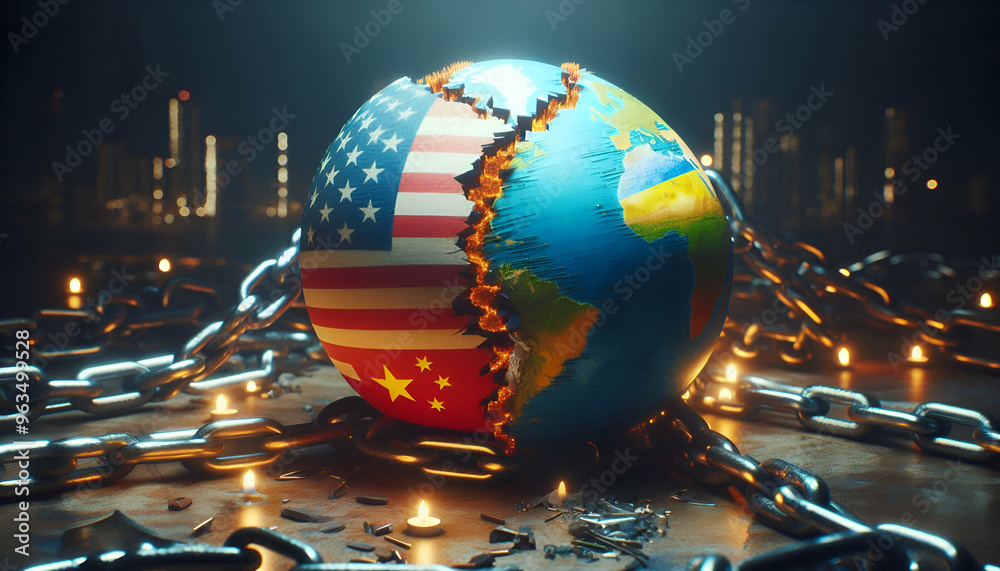
The ongoing US Iran talks present a vital opportunity to reshape diplomatic relations amidst rising geopolitical tensions in the Middle East. Recent tensions regarding Iran’s activities have placed the nation and the US at a crossroads, underlining the importance of robust diplomatic efforts to address underlying issues. As discussions unfold, the intricate web of Iran US relations is scrutinized by global observers, particularly with Pakistan actively participating in fostering dialogue. Reports asserting a failure to initiate these crucial talks have been firmly rejected by the Pakistani government, emphasizing its commitment to mediation in this strained context. The landscape of Middle Eastern diplomacy is evolving, and these negotiations could pave the way for a more stable and cooperative regional future.
Exploring the recent developments surrounding the interaction between the United States and Iran reveals a critical phase in international relations characterized by dialogue and negotiation. The complexity of these discussions is influenced by various factors, including regional dynamics and the role of third-party nations like Pakistan in promoting peace. As both nations navigate their historically fraught relationship, alternative approaches are being considered to mitigate conflicts and build trust. The focus now shifts to the potential for constructive communication and collaboration, crucial for reducing volatility and enhancing stability in a turbulent geopolitical environment. This moment in Middle Eastern diplomacy not only reflects the intricacies of Iran US relations but also the broader implications for regional security and cooperation.
The Role of Pakistan in US-Iran Talks
Pakistan’s strategic positioning in South Asia places it in a unique position to influence dialogue between major world powers, including the United States and Iran. As tensions rise in the Middle East, particularly due to Iran’s advancing nuclear program and its regional military maneuvers, Pakistan has expressed its readiness to facilitate communication. The country’s diplomatic efforts are crucial, as they stem from a history of balancing relations amidst geopolitical tensions. Moreover, Pakistan’s foreign policy emphasizes maintaining a neutral stance while promoting peace and security in the region.
In recent statements, officials have highlighted how Pakistan aims to serve as a moderate voice in the complex dynamics between Iran and the United States. The government’s dismissal of rumors regarding a halt in talks signals Pakistan’s commitment to supporting diplomatic efforts. By leveraging its unique relationships and insights, Pakistan is well-positioned to advocate for constructive dialogue. This mediation can potentially pave the way for a thaw in frigid US-Iran relations, aligning with broader objectives of regional stability.
Geopolitical Tensions: Impact on Middle East Diplomacy
The current geopolitical tensions in the Middle East significantly affect diplomatic efforts among countries in the region, most notably impacting US-Iran relations. The ongoing conflicts and political rivalries contribute to an increasingly fragmented landscape where dialogue is often overshadowed by military posturing and sanctions. Countries like Pakistan are under pressure to navigate these complex waters, advocating for dialogue rather than conflict. Such situations necessitate diplomatic agility to address regional concerns while fostering relationships among competing powers.
Moreover, as other Middle Eastern nations also grapple with their own foreign policy challenges, the need for a concerted diplomatic approach becomes more apparent. Pakistan’s role is critical, as it seeks to broker peace and facilitate discussions among adversaries. This involves not only addressing immediate flashpoints but also creating frameworks for longer-term trust-building measures. Ultimately, the efficacy of diplomatic efforts in mitigating tensions hinges upon sustained engagement among key players in the region, including the United States and Iran.
Current State of Iran-US Relations
The state of Iran-US relations remains contentious, characterized by a history of mistrust and conflict. Recent decades have seen a rollercoaster of diplomatic negotiations, sanctions, and military standoffs that have defined this tumultuous relationship. The challenge lies in addressing fundamental issues such as Iran’s nuclear program, human rights concerns, and its regional influence, which often provoke strong reactions from Washington. As expressed in numerous official statements, Pakistan views itself as a potential facilitator to resume dialogues that can bridge the existing divides and explore common ground.
While the broader international community looks on, calls for renewed diplomatic engagement persist, emphasizing dialogue over hostility. Pakistan has noted various moments where increased diplomatic efforts could provide an avenue for improvement in relations. The emphasis on diplomacy is vital not only for Iran and the US but also for regional stability, as fluctuations in this relationship can have widespread effects, influencing everything from energy markets to geopolitical alliances. The hope within Pakistan is that, through concerted diplomatic efforts, progress can be made.
Dismissing Misinformation in Diplomatic Relations
In the realm of international diplomacy, misinformation can rapidly complicate already fragile relations. The Pakistani government’s recent dismissal of claims that talks between the US and Iran had failed illustrates the importance of clear communication and transparency. By labeling these reports as ‘a figment of imagination,’ Pakistan aims to quell speculative narratives that might inflame tensions further. Such proactive steps are vital to ensure that the narrative surrounding diplomatic endeavors is based on facts and continuous efforts rather than conjecture.
Furthermore, addressing misinformation directly serves to reinforce Pakistan’s role as a stabilizer in Middle Eastern diplomacy. In an age of rapid information dissemination, it is essential for states to counteract false narratives that can derail diplomatic initiatives. By asserting its position and emphasizing the ongoing commitment to dialogue, Pakistan not only protects its foreign policy interests but also promotes a cooperative regional approach to diplomacy. This underscores the necessity of accurate reporting and the ramifications misrepresentation can have on international relations.
Pakistan’s Foreign Policy: Embracing Dialogue
Pakistan’s foreign policy has increasingly focused on dialogue and diplomacy as primary instruments for conflict resolution. Amidst the shifting geopolitical landscape, the nation’s leadership recognizes that constructive engagement can create pathways toward peace, particularly concerning issues related to Iran and the US. Emphasizing a diplomatic approach allows Pakistan to position itself as a mediator amid escalating tensions, offering solutions that could help prevent potential conflicts.
This proactive stance aligns with Pakistan’s long-standing tradition of fostering cooperation within the region. The foreign ministry has reiterated its commitment to dialogue, underscoring the importance of engaging all stakeholders in discussions aimed at stability and security. By reaffirming its role as a diplomatic conduit in US-Iran relations, Pakistan aims to lend its considerable influence to ease tensions in the Middle East and contribute to broader diplomatic efforts that encompass multiple nations and interests.
The Future of Middle East Diplomacy
The future of Middle East diplomacy is uncertain, yet it remains a pivotal area of focus for many countries, including Pakistan. As geopolitical tensions rise, the need for effective dialogue becomes increasingly apparent. What remains crucial is the ability of nations, led by key players like the US and Iran, to engage in meaningful negotiations that prioritize regional stability. Pakistan’s advocacy for dialogue suggests a vision where diplomacy prevails over military confrontations, paving the way for fruitful engagements in the future.
Moreover, evolving dynamics around oil prices, regional security concerns, and national interests play a role in shaping these diplomatic endeavors. The commitment to open communication channels can significantly influence the outcome of ongoing disputes. For countries like Pakistan, embracing its role in initiating and facilitating these discussions aligns with its broader foreign policy objectives, which prioritize peace, cooperation, and stability in the increasingly complex Middle East landscape. Ultimately, fostering such relationships will be fundamental in addressing the broader challenges that define the region.
Regional Mediation and Impact on Geopolitical Tensions
The role of regional mediation is increasingly vital in managing geopolitical tensions within the Middle East, as evidenced by Pakistan’s position regarding US-Iran discussions. Without active mediators stepping forward, conflicts risk escalating further, leaving diplomatic efforts languishing. Pakistan’s willingness to serve as a mediator emphasizes its strategic interests while also contributing to enhancing the overall regional security landscape. This aspect of foreign policy not only serves Pakistan but benefits the broader international community engaged in these discussions.
Moreover, the impact of regional mediation cannot be understated, as it instills hope amid uncertainties. With several countries experience varying degrees of conflict escalation, mediation offers a pathway to diplomacy that can help de-escalate tensions. Countries like Pakistan, which maintain working relationships with both the US and Iran, possess unique insights into the concerns of all parties involved. Their involvement can help mitigate misunderstandings and promote collaboration, ultimately leading to a more stable geopolitical climate and fostering enhanced international cooperation.
The Importance of Continuous Engagement
In the landscape of international relations, continuous engagement is recognized as a cornerstone of fruitful dialogue and sustainable peace. The need for ongoing dialogue, especially amidst the tumultuous relationship between the US and Iran, highlights the effectiveness of persistence in diplomacy. Pakistan underscores this principle by emphasizing the significance of never allowing communication channels to close. Such a proactive approach can lead to incremental progress and eventually pave the way for major breakthroughs in complex diplomatic issues.
Furthermore, continuous engagement serves as a bulwark against the rising nationalism and isolationism that can dismantle cooperative efforts. Pakistan’s facilitation of dialogue in US-Iran relations exemplifies how sustained diplomatic efforts can cultivate an environment conducive to negotiation. The challenge is to maintain this momentum and adapt approaches as geopolitical circumstances evolve. By keeping discussions alive and addressing issues head-on, Pakistan and other regional actors can build towards a more collaborative future, reducing tensions and fostering better understanding.
Challenges Facing Diplomatic Efforts in the Region
The landscape of diplomacy in the Middle East is fraught with challenges that can impede progress in negotiations, particularly between adversarial nations like the US and Iran. Ongoing conflicts, historical grievances, and competing national interests often create barriers that hinder fruitful discussions. Pakistan, as an interested mediator, must navigate these intricate dynamics while fostering an environment conducive to dialogue. Understanding these challenges is essential to formulate strategies that can facilitate communication and address contentious issues.
Moreover, the external influences of allied nations can further complicate the diplomatic landscape. The role of regional powers in exacerbating tensions can hinder mediation efforts, as agendas may clash. Acknowledging these factors, Pakistan’s approach must be multifaceted, seeking to understand the motivations of all parties involved while prioritizing a neutral stance. In doing so, Pakistan not only reaffirms its diplomatic commitment but also embraces its potential to contribute positively to the challenging dynamics of Middle Eastern diplomacy.
Frequently Asked Questions
What is the current status of the US-Iran talks and their impact on Middle East diplomacy?
The US-Iran talks remain a critical focus in Middle East diplomacy, amid ongoing geopolitical tensions. Recently, Pakistan’s foreign ministry reaffirmed its commitment to facilitating dialogue between these nations. Reports suggesting a failure to initiate discussions have been dismissed as inaccurate, indicating that negotiations may still be possible despite challenges. The evolving situation underscores the importance of diplomatic efforts in addressing the complexities of Iran-US relations.
| Key Point | Details |
|---|---|
| Pakistan’s Rejection of Reports | Pakistan dismisses claims of failure to initiate US-Iran talks, calling them a ‘figment of imagination.’ |
| Ongoing Tensions | Tensions in the Middle East concern regarding Iran’s activities and the US’s responses. |
| Pakistan’s Role | Pakistan’s foreign ministry stresses its commitment to dialogue and regional stability. |
| Mediation Efforts | Pakistan is willing to mediate discussions between Washington and Tehran. |
Summary
The US Iran talks continue to be a focal point in the intricate geopolitical landscape, especially against the backdrop of heightened tensions in the region. Amid conflicting narratives, Pakistan’s government has categorically rejected claims of a failure to initiate discussions between the United States and Iran, framing such reports as unfounded. This underscores Pakistan’s strategic position and commitment to fostering dialogue. The fluidity of the situation indicates that while challenges persist, there remains optimism for constructive talks to take place, allowing for potential mediation by countries like Pakistan. As global attention shifts toward diplomatic solutions, the interactions surrounding US Iran talks will be closely monitored, emphasizing the importance of diplomacy over conflict in a tumultuous era.