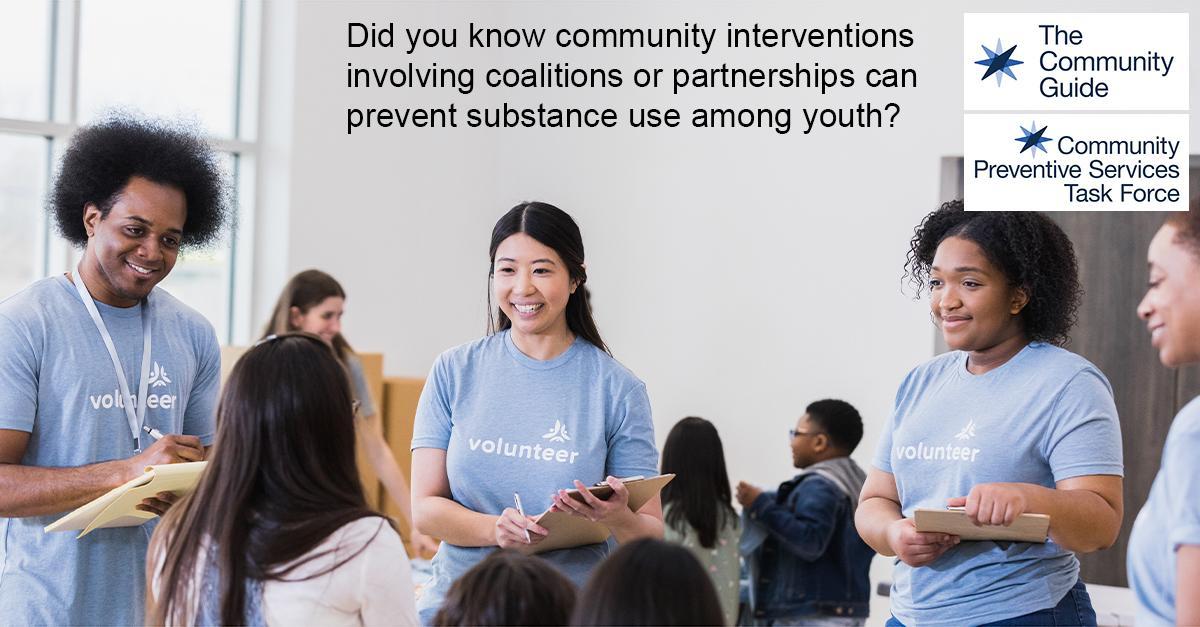
Drug abuse prevention is a critical issue that requires collaborative efforts from all sectors of society. In light of the escalating substance abuse challenges, especially in regions vulnerable to drug trafficking, it is imperative to adopt a holistic approach that includes community support for addiction recovery and mental health resources. Advocates like MLAs stress the importance of community engagement in awareness programs that address the spiraling rates of addiction and offer support systems. By leveraging initiatives such as the Nasha Mukt Bharat Abhiyaan, we can shift the narrative from punitive measures to comprehensive care strategies that foster rehabilitation and social reintegration. The fight against drug abuse must encompass education, community involvement, and mental health advocacy to ensure sustainable change and a brighter future for our youth.
Addressing substance misuse issues involves understanding addiction as a complex public health challenge rather than merely a legal concern. To effectively combat this crisis, a unified strategy is essential, engaging families, educational institutions, and community organizations in the fight against addiction. By creating supportive environments, we can promote mental well-being and offer resources to those struggling with dependence. Initiatives that integrate educational efforts, counseling, and mentorship can cultivate a stronger community defense against the pervasive influence of drug trafficking. Building a resilient community workforce will empower individuals to recognize and respond to the signs of addiction, paving the way toward healthier lifestyles.
Community-Led Approaches to Drug Abuse Prevention
In addressing the escalating crisis of drug abuse, community-led initiatives play a pivotal role. It is essential that churches, local organizations, and educational institutions unite to foster environments conducive to prevention and recovery. By implementing comprehensive drug abuse prevention programs, these communities can help cultivate awareness and counseling resources that are tailored to their specific challenges. Such initiatives not only educate individuals about the dangers of substance use but also suggest pathways to rehabilitation, effectively tackling addiction holistically.
Community support for addiction recovery significantly diminishes isolation, which is a key factor in addiction. Leaders and organizations can establish recovery groups, mentorship programs, and support networks that encourage individuals to seek help without fear of stigma. Additionally, involving local youth through organized activities such as sports, arts, and skill development further strengthens the fabric of the community, creating a drug-free environment that nurtures mental well-being and resilience against substance abuse.
The Role of Faith-Based Organizations in Combating Substance Abuse
Faith-based organizations bring a unique moral authority and influence in efforts against substance abuse. As highlighted by social welfare representatives, churches possess the capacity to lead initiatives that promote healing and understanding around addiction. By establishing counseling units and supporting groups like Alcoholics Anonymous, they can help to destigmatize addiction within their congregations and the wider community. This is crucial in transforming the perception of drug-related issues from criminality to a public health concern that requires empathy and support.
Furthermore, engaging church leaders in addiction prevention can foster a culture of openness and acceptance. They can advocate for mental health awareness, integrating discussions about substance abuse and its effects into sermons and community gatherings. By promoting peer support programs and providing education about mental health, churches can not only help congregants identify early signs of substance abuse but also create safe spaces where individuals feel empowered to share their struggles and seek assistance.
Government Initiatives and the Fight Against Drug Trafficking
Government initiatives such as the Nasha Mukt Bharat Abhiyaan represent a paradigm shift in addressing drug abuse from punitive measures to comprehensive public health strategies. By focusing on demand reduction, counseling, rehabilitation, and community-driven solutions, these programs aim to mitigate the factors contributing to addiction. Strengthening border controls to combat drug trafficking is also vital, given that regions like Nagaland are particularly susceptible to the influx of synthetic drugs and organized smuggling operations.
In tandem with law enforcement, these initiatives underscore the importance of community involvement in shaping effective drug trafficking solutions. Local committees, district-level awareness campaigns, and integration of mental health services into rehabilitation programs can provide essential support structures for individuals struggling with dependence. The synergy between governmental policies and local action can create a robust framework that not only addresses the immediate challenges posed by substance abuse but also promotes long-term recovery and prevention.
Mental Health Awareness and Substance Abuse
The correlation between mental health and substance abuse is gaining recognition as a critical area of focus in prevention efforts. With rising rates of anxiety, depression, and other mental health disorders, vulnerable populations often turn to substance use as a coping mechanism. It is imperative to foster mental health awareness, particularly in schools and community settings, to help identify early signs of substance dependency among youth and provide timely interventions.
Integrating mental health services into existing rehabilitation frameworks can enhance recovery options for those affected by addiction. By addressing underlying mental health issues concurrently with substance use disorders, professionals can facilitate a more effective therapeutic approach. Community support systems, including peer mentorship, can strengthen individuals’ resilience, enhancing their ability to manage mental health challenges without resorting to substance use.
The Impact of Digital Trafficking on Substance Abuse
The rise of digital technology has transformed many aspects of society, including the landscape of drug trafficking. As highlighted by recent discussions, illicit networks have increasingly harnessed technology to target vulnerable youth through social media and encrypted messaging platforms. This evolution complicates the fight against substance abuse, as young individuals are often unaware of the perils and can be easily lured by the anonymity of online transactions.
Addressing this issue requires innovative, tech-savvy responses from both community leaders and government agencies. Implementing digital awareness campaigns that educate youth about the dangers of online drug trafficking and promote critical thinking can help equip them with the necessary tools to navigate these challenges. Furthermore, incorporating tele-counseling services can provide immediate support for individuals grappling with addiction issues, making help more accessible to those in need.
Strengthening Support Systems through Community Action
The saying that ‘addiction thrives in isolation but dies in the light of community’ encapsulates the necessity for a united front in combating substance abuse. Collaborative efforts among families, churches, civil society, and government bodies are crucial for creating a comprehensive support system for individuals battling addiction. By promoting awareness initiatives and enhancing community engagement, these groups can foster resilience and provide a safety net for individuals paradoxically drawn away from recovery.
Moreover, resources can be allocated towards youth mentorship programs that emphasize life skills and peer support. Such initiatives not only empower young people to resist substance use but also promote strong bonds within the community. When individuals are supported by caring peers and mentors, the likelihood of choosing healthier pathways increases dramatically, creating a positive feedback loop that reinforces drug-free lifestyles.
Challenges and Innovations in Substance Abuse Treatment
As new substances emerge and drug trafficking evolves, the challenges faced by substance abuse treatment programs also expand. With the growing prevalence of synthetic drugs and their rapid effects on mental health, treatment strategies must innovate to effectively address the needs of those affected. This calls for evidence-based solutions that incorporate the latest research on addiction and recovery, ensuring that programs remain relevant and effective.
Moreover, recognizing that the landscape of addiction is always changing necessitates a flexible approach in rehabilitation efforts. Programs that incorporate vocational training and career support can significantly enhance the reintegration process for recovering individuals, offering them pathways to stability and purpose. This not only aids in their recovery journey but also strengthens community resilience by helping to lower the likelihood of relapse.
Fostering Youth Empowerment Against Substance Abuse
Empowering youth to take a stand against substance abuse is crucial for cultivating a generation that is informed and resilient. By involving young people in decision-making processes and community initiatives, they can play an active role in shaping a drug-free environment. This empowerment can take many forms, from organizing awareness campaigns to leading peer support groups, all aimed at fostering a culture of health and responsibility.
Moreover, educational institutions can be instrumental in providing resources and training that equip youth with essential life skills. Programs focused on leadership development, conflict resolution, and mental well-being can prepare young individuals to navigate challenges effectively. When they are empowered and educated about the risks of substance use, youth become advocates for their peers and communities, creating lasting change in the fight against addiction.
Conclusion: A Collective Endeavor for a Drug-Free Future
Addressing the complex issue of drug abuse requires a collective effort from all segments of society. From government initiatives like the Nasha Mukt Bharat Abhiyaan to local community activities, every effort counts in the fight against substance dependency. It is essential to recognize addiction as a public health issue that affects not only the individual but also their families and society at large, creating a ripple impact that can be detrimental if left unaddressed.
A multifaceted approach that encompasses community support, mental health awareness, youth empowerment, and innovative prevention strategies will pave the way toward a brighter, drug-free future. By fostering collaboration among community members, leaders, and families, it is possible to create resilient frameworks capable of combating the rising tide of substance abuse and fostering healthier, more connected communities.
Frequently Asked Questions
What are effective drug abuse prevention strategies within communities?
Effective drug abuse prevention strategies in communities include raising awareness about the dangers of substance abuse, establishing supportive environments through community organizations, and promoting mental health. Programs like the Nasha Mukt Bharat Abhiyaan advocate for a holistic approach involving education, counseling, and rehabilitation to address addiction as a public health issue, rather than purely a criminal one.
How does drug abuse prevention relate to mental health and addiction?
Drug abuse prevention is closely tied to mental health and addiction. Many individuals struggling with substance abuse also face mental health challenges like anxiety and depression. Addressing these issues simultaneously, as promoted in the Nasha Mukt Bharat Abhiyaan, can enhance the effectiveness of prevention and rehabilitation efforts, reducing the stigma surrounding addiction while fostering community support.
What role do churches play in drug abuse prevention?
Churches play a vital role in drug abuse prevention by serving as moral authorities within their communities. They can establish counseling units, run recovery support groups like Alcoholics Anonymous, and facilitate mentorship programs that promote mental health. By reducing the stigma associated with addiction and fostering a supportive community environment, churches can significantly enhance efforts to combat substance abuse.
Why is community support important in drug abuse prevention?
Community support is essential in drug abuse prevention because addiction often thrives in isolation. Collective efforts, including awareness campaigns and support groups, create a network of care that helps individuals feel less alone in their struggle. Effective initiatives, such as those under the Nasha Mukt Bharat Abhiyaan, emphasize that collaboration between government, civil society, and families is crucial to developing effective support systems for those affected by addiction.
What are some challenges in drug trafficking and solutions for prevention?
Challenges in drug trafficking include the rise of synthetic drugs and technology-driven networks targeting youth. Solutions for prevention involve increasing border surveillance, implementing the NDPS Act more effectively, and integrating data-driven interventions into community recovery programs. Strategies under the Nasha Mukt Bharat Abhiyaan focus on demand reduction through awareness and educational initiatives that address the root causes of substance abuse.
How can educational institutions contribute to drug abuse prevention?
Educational institutions can contribute to drug abuse prevention by implementing programs that educate students about the risks of substance abuse and promoting mental health awareness. Early identification of signs of substance abuse among students is crucial. These institutions can also host workshops and support groups that foster open discussions about addiction, helping to create a supportive school environment.
What is the significance of the Nasha Mukt Bharat Abhiyaan in drug abuse prevention?
The Nasha Mukt Bharat Abhiyaan is significant in drug abuse prevention as it represents a shift from punitive measures to comprehensive strategies that prioritize demand reduction, counseling, and rehabilitation. By addressing addiction as a public health matter and not solely a law enforcement issue, the program promotes collaborative community efforts to support recovery and enhance rehabilitation, ultimately aiming for a drug-free India.
| Key Aspect | Details |
|---|---|
| Comprehensive Societal Approach | Advocated by Wangpang Konyak, involving churches, community organizations, and educational institutions. |
| Public Health Issue | Addiction viewed primarily as a public health problem rather than a criminal one. |
| Emerging Challenges | Shift from traditional narcotics to highly addictive synthetic drugs and technology-driven trafficking. |
| Government Initiatives | Nasha Mukt Bharat Abhiyaan focuses on demand reduction, counseling, and rehabilitation. |
| Role of Churches | Churches encouraged to establish counseling units and eliminate stigma surrounding addiction. |
| Community Engagement | Involvement of mothers’ associations, youth organizations, and teachers is essential for prevention. |
| Call for Collaboration | Konyak emphasized joint efforts from government, churches, and families to combat addiction. |
| Importance of Rehabilitation | Enhanced efforts for social reintegration and vocational training for recovering addicts. |
Summary
Drug abuse prevention is vital, as highlighted by the recent discussions in Nagaland aimed at addressing the escalating crisis. By adopting a holistic approach that includes community involvement, educational initiatives, and reinforce social support systems, we can better combat the pervasive issue of drug addiction. Cooperation among governments, institutions, and communities is crucial in creating effective strategies for prevention, counseling, and rehabilitation, ensuring a healthier future for our youth.