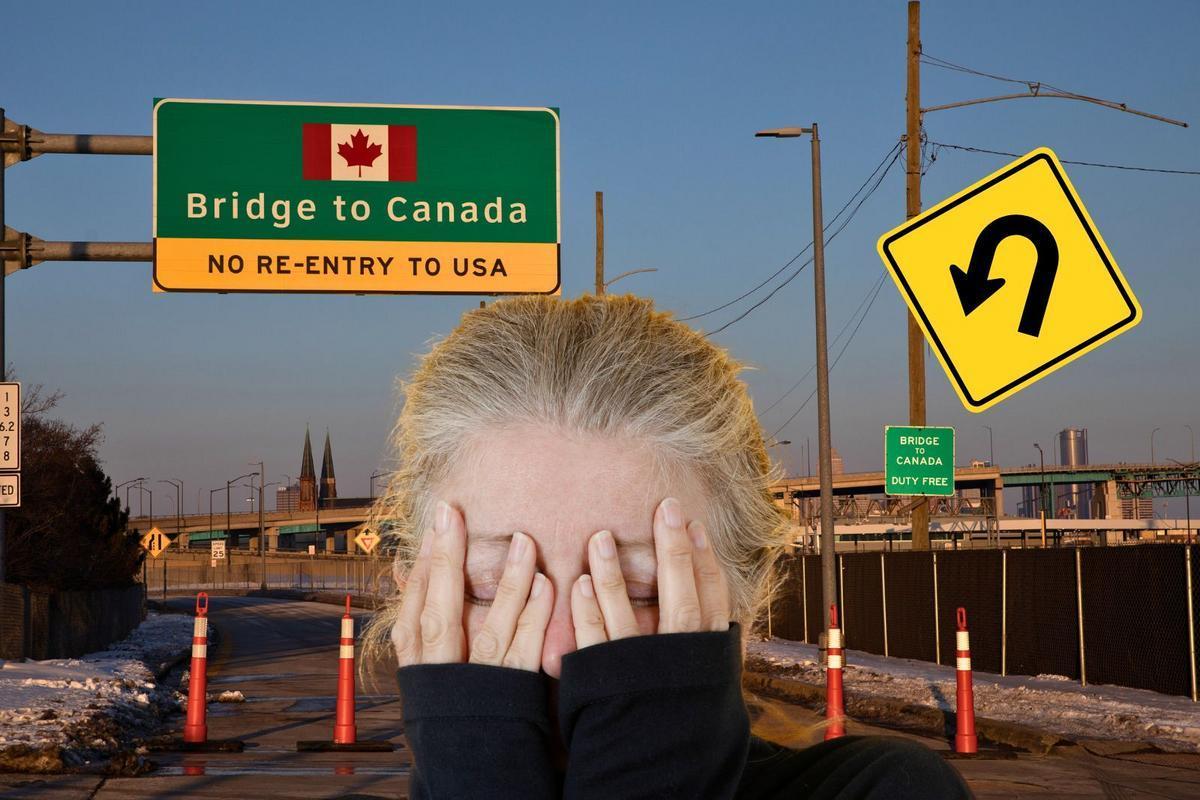
The recent incident involving an Indian man detained for mistakenly crossing the US-Canada border highlights the complexities of immigration border issues that can arise in such a popular travel destination. After visiting Niagara Falls with family, this individual inadvertently wandered into Canadian territory, triggering a response from the Customs and Border Protection (CBP) agency. Confusion and concern have since emerged, particularly among his family, as he remains in custody after this border mistake. Reports suggest he inadvertently entered Canada and now faces the challenge of navigating the CBP detention process while awaiting his passport. This alarming mix of navigational error and immigration policy serves as a stark reminder of the potential pitfalls travelers can encounter while crossing international borders.
The recent situation of an Indian national experiencing difficulties at the US-Canada border underscores the challenges faces by travelers in navigating immigration regulations. This case, involving a mistaken entry into Canada, sheds light on how easily one can become entangled in border control policies, especially when unfamiliar with the area. Many individuals have found themselves in similar scenarios, leading to heightened caution among those crossing from the United States into Canada and vice versa. Miscommunications with border agencies can cause stress and confusion, particularly when it comes to requirements for documentation and proper entry procedures. As international travel becomes more frequent in our global society, understanding these nuances has become increasingly crucial.
Mistaken Border Crossings: Stories from the US-Canada Border
Crossing the US-Canada border can be a straightforward endeavor, but misunderstandings and mistakes can happen, particularly for those unfamiliar with the area or its navigational complexities. One recent incident involving an Indian man serves as a cautionary tale. According to reports, the individual inadvertently crossed into Canada while on a trip to Niagara Falls. Such scenarios are not uncommon, especially when relying on GPS navigation systems that sometimes fail to account for border intricacies. Social media has been rife with accounts of travelers facing similar issues, underlining the importance of paying attention to border signage and understanding the legal ramifications of crossing without proper documentation.
The individual’s experience highlights how easy it is to cross into Canadian territory mistakenly, particularly due to the proximity of Buffalo, NY, to the border. As he sought to return to the US, he found himself in a tricky situation, detained by Customs and Border Protection (CBP) officials. This incident sparks a broader conversation about the frequent immigration border issues travelers face in this region. While some may view these detainments as procedural inaccuracies, they often serve as a reminder of the strict regulations that govern border control, pushing the need for enhanced awareness among travelers.
Understanding CBP Detention Procedures for Mistaken Crossings
When travelers accidentally cross into Canada from the US, they may find themselves under the scrutiny of the CBP, which enforces specific protocols for such occurrences. In the case of the Indian man who mistakenly entered Canada, the reaction from CBP authorities suggests a stringent security apparatus at work, especially in light of heightened vigilance following various immigration border issues. It is essential to understand that once individuals are apprehended in such scenarios, they often face what may feel like an overwhelming bureaucratic process. Many travelers are unaware of the requirement to present valid identification, including passports, which can complicate their quick return to the US.
Additionally, while some might believe that they can quickly explain their situation and be let back into the United States, this is not always the case. CBP detention can result from perceived security risks, and officers must assess each situation carefully. In many instances, those mistakenly crossing the border may spend hours in detention as their paperwork is verified. Therefore, it is imperative for tourists and regular travelers alike to familiarize themselves with the proper border crossing procedures to avoid unnecessary stress and complications during their journeys.
The Role of Navigation Technology in Border Mistakes
In an era where GPS technology dominates navigation, many travelers might become complacent, relying entirely on digital devices for direction. The incident involving the Indian man who inadvertently crossed into Canada exemplifies how even reliable technology can lead to border mishaps. Such navigation errors disrupt travel plans and can lead to serious implications, including detention by immigration authorities. As drivers approach the US-Canada border, they often encounter various navigation signs warning of impending border crossings, yet these can sometimes be overlooked or misunderstood during transit.
Moreover, as evidenced by countless travelers’ shared experiences on social media, GPS inaccuracies can contribute significantly to these kinds of errors. Many users have reported instances where their devices guided them incorrectly, leading to accidental crossings or even confusing routes that put drivers at risk of noncompliance with border laws. Thus, it’s crucial for travelers to supplement their technological tools with a solid understanding of geographic landmarks and border regulations to avoid detentions and immigration complications during their travels.
Community Support for Families Facing Immigration Issues
The emotional toll on families when a loved one is detained by immigration authorities cannot be overstated. In the case mentioned, friends and family members of the Indian man who accidentally crossed the border reached out on social media, seeking guidance from the community. This highlights a growing trend where online networks provide support and information in dire situations involving immigration border issues. These platforms have become crucial for sharing experiences, strategies, and advice, making them vital resources for individuals facing bureaucratic complexities during border-related incidents.
Community members often step up to provide information about the procedures involved in dealing with CBP, including how families can effectively communicate with authorities to retrieve detained loved ones. The assistance offered through these online networks underscores the importance of human connection and shared knowledge in navigating the sometimes intimidating processes associated with immigration enforcement. It’s a reminder of the power of community in times of distress, bridging the gaps of fear and uncertainty with collective insight on how to handle complex immigration scenarios.
The Importance of Preparedness When Traveling Across Borders
Whenever embarking on significant travel plans that involve crossing international borders, preparedness is key. The recent case of an Indian man detained by CBP after mistakenly entering Canada serves as a vital lesson for travelers. Having appropriate documentation, such as passports and any necessary visas, is not just advisable but essential. Travelers should always check their documents prior to crossing borders and ensure that they adhere to all travel regulations, as failure to do so can lead to unexpected complications and legal issues.
Moreover, understanding the nuances of border crossings, including CBP’s protocols and the rules governing entry into Canada, can significantly reduce the likelihood of being caught in a detainment situation. While GPS devices and modern technology facilitate easier navigation, they should not replace fundamental travel preparation strategies, such as reviewing maps and heeding warning signs along the routes. Awareness and foresight can make a difference in ensuring a smooth and enjoyable travel experience across borders.
Legal Consequences of Border Crossing Mistakes
The legal ramifications of crossing the US-Canada border improperly can be multifaceted and serious. In the case of the Indian man who inadvertently entered Canada, the immediate consequences involved detention by CBP, which often assesses each case to determine the appropriate actions based on individual circumstances. Immigration laws dictate how officials handle these incidents, ranging from temporary detention to more severe legal repercussions, depending on whether any laws have been violated.
Understanding the potential legal outcomes of mistakenly crossing borders is essential for anyone traveling in proximity to international boundaries. Each instance offers insights into how immigration policies function and the inherent complexities involved in enforcement. For those who find themselves in such a predicament, consulting with immigration attorneys or legal experts can provide guidance on navigating the aftermath of these experiences. Awareness of legal processes ensures that individuals can effectively advocate for their rights and seek resolution swiftly.
Navigating Border Security: The Role of Customs and Immigration
Customs and Border Protection (CBP) plays a crucial role in maintaining border security, particularly in high-traffic areas like the US-Canada border. For travelers, understanding how CBP operates becomes vital to prevent misunderstandings that can lead to unintentional detentions, as seen in the incident involving the Indian man. The CBP’s mandate extends not just to preventing illegal immigration but also to ensuring that all travelers have proper documentation and adhere to immigration laws.
By establishing clear guidelines and procedures for border security, CBP aims to facilitate safe and lawful travel while also minimizing risks associated with undocumented crossings. Unfortunately, as evidenced by this incident, travelers may not always be adequately aware of these guidelines, especially in scenarios involving mistaken crossings. Thus, ongoing public education about customs policies and the importance of proper documentation is crucial to foster better compliance and enhance the overall experience for visitors crossing the border.
Family Dynamics During Immigration Detentions
The anxiety and fear experienced by family members when a loved one is detained by immigration authorities can be overwhelming. In the heartbreaking situation involving the Indian man who unknowingly crossed the border, his friends and family found themselves in distress, desperate for information and support. The emotional impact of such detentions highlights the strain placed on familial relationships and the urgent need for community assistance during such crises.
Families often find themselves grappling with uncertainty about their loved one’s well-being and the course of detainment processes, from potential deportation to clarifications on their legal status. The responses from family friends seeking assistance on social media illustrate how technology and community solidarity foster resilience and support networks that can ease the burden during these challenging times. Navigating immigration systems can be daunting, but communities can empower families by sharing resources and knowledge, helping them to cope with immigration-related issues more effectively.
Community Awareness: Avoiding Mistakes at the Border
Creating awareness around the potential for mistakes at the US-Canada border is essential to minimize occurrences like the recent incident involving the Indian man. Many travelers remain unaware of how easy it is to misunderstand navigational cues, leading to unintentional crossings and detention by immigration authorities. Educational campaigns highlighting the importance of understanding travel regulations and adhering to border protocols are vital in preventing similar issues.
Communities can play a significant role in disseminating this information through workshops or information sessions, particularly for immigrants and tourists who may be unfamiliar with border rules. Engaging with local governments, businesses, and communities to enhance travelers’ understanding of border security can help create a safer travel environment. By addressing navigation errors and promoting compliance with immigration laws, community initiatives can work towards reducing the frequency of such unfortunate incidents at the border.
Frequently Asked Questions
What happens if an Indian man mistakenly crossed the US-Canada border?
If an Indian man mistakenly crossed the US-Canada border, he may be detained by U.S. Customs and Border Protection (CBP) for reentry processing. This situation can occur when individuals inadvertently enter Canada without proper documentation. In such cases, the person may be held temporarily while the CBP verifies their immigration status and eligibility to return to the U.S. Friends or family can contact the nearest CBP office to seek information on the detained individual.
| Key Points |
|---|
| An Indian man mistakenly crossed the US-Canada border and is currently detained by CBP. |
| The man was with his family on a trip to Niagara Falls when the incident occurred. |
| The family tried to contact him but received no response, increasing their worry. |
| Social media users suggested contacting the CBP office for information. |
| Such incidents at border crossings are not uncommon, especially for tourists. |
| The context of immigration checks has evolved, making border crossings stricter than in the past. |
Summary
The US-Canada border mistake involving an Indian man who accidentally crossed into Canada highlights the rising concerns about border security and immigration protocols. With advancements in navigation technology, individuals might unintentionally stray into foreign territory, as seen in this situation during a family trip to Niagara Falls. Despite the alarming predicament of the individual being detained by CBP, it is important to recognize that customs and immigration procedures are increasingly vigilant, reflecting the changing landscape of border management. This incident draws attention to the need for travelers to be aware of their surroundings and the importance of proper documentation when navigating international borders.