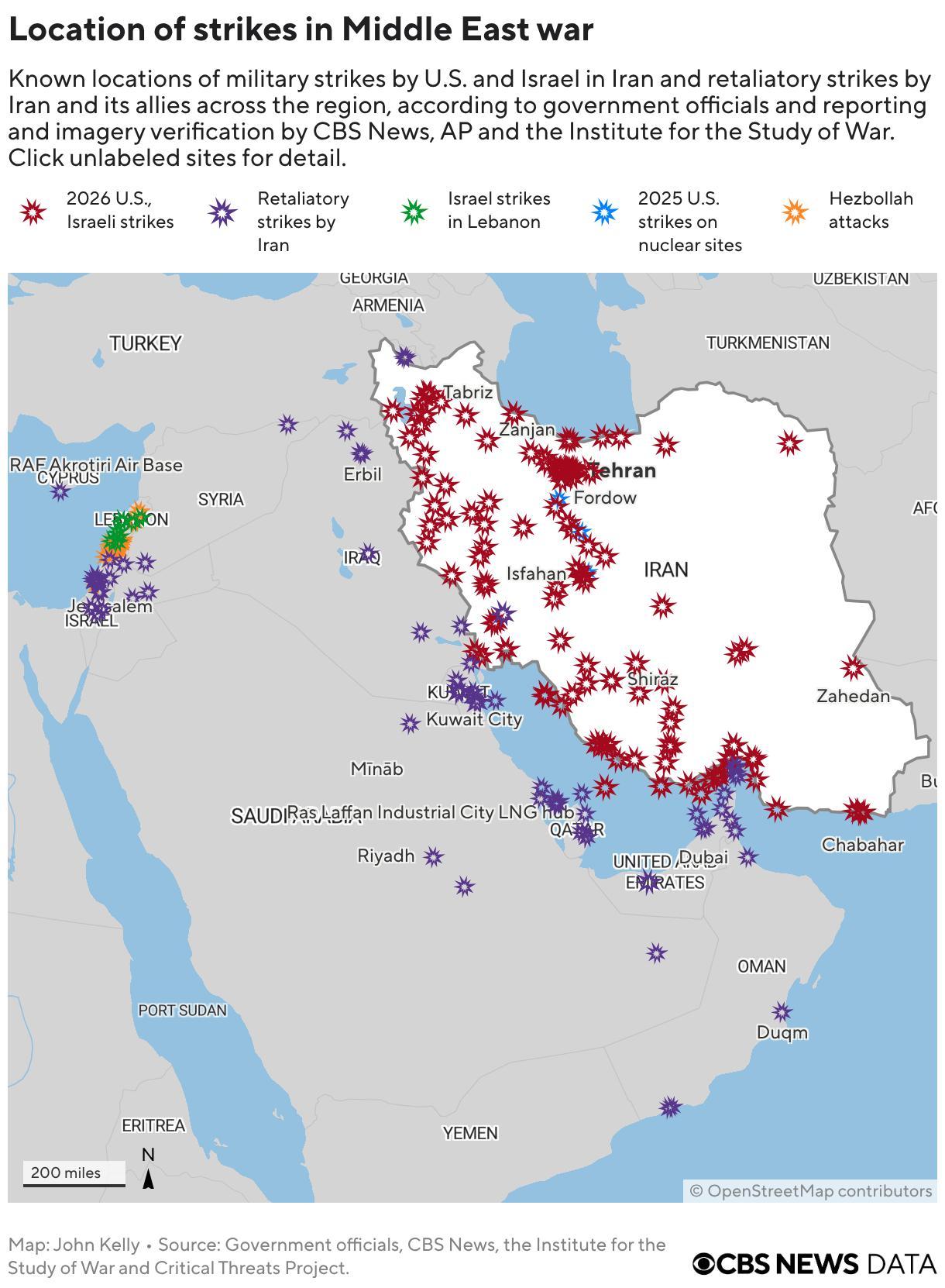
In a decisive show of force, US strikes on Iranian military targets have heightened tensions in an already volatile region. Recently released footage by the US Central Command (Centcom) depicts air and naval assaults on ten military installations in and around the pivotal Strait of Hormuz. This operation, authorized in response to Iran’s drone attack on the oil tanker M/T Kiku, marks a significant escalation in US military operations against Iranian targets. The strategic importance of these actions cannot be understated, especially given the Strait’s critical role in global maritime security. As the US seeks to deter further aggression, the implications of these strikes extend beyond immediate military objectives, intertwining with broader geopolitical dynamics in the region.
The latest military actions undertaken by the United States against Iranian facilities have sparked renewed discussions about regional stability and security. By targeting key components of Iran’s military infrastructure, such as surveillance systems and drone storage, the US aims to mitigate the threats posed by Tehran amidst rising hostilities. This development is part of a larger narrative encompassing the ongoing conflict involving the Strait of Hormuz, where military engagements have escalated due to Iran’s consistent aggressive tactics. Moreover, these strikes underscore the complexities of ensuring maritime safety in an area crucial for international oil trade. As confrontations intensify, diplomatic dialogues continue to navigate the tumultuous waters of US-Iran relations.
US Strikes on Iranian Military Targets: Responding to Provocations
The US military conducted significant air and naval strikes on 10 Iranian military targets, demonstrating a robust response to Iran’s provocative actions in the region. This operation came shortly after a drone assault on the oil tanker M/T Kiku, a severe breach of international maritime security that occurred in the bustling Strait of Hormuz. As essential for global oil transit, this strait has witnessed escalating tensions, and the US engagement highlights its commitment to protecting maritime routes against threats posed by Iran’s military maneuvers, which have included drone and missile attacks.
US Central Command emphasized that these recent military operations were not merely retaliatory; they were aimed at dismantling critical Iranian surveillance and defense systems. The strikes targeted Iranian capabilities that threaten not only American interests but also the safety of global maritime navigation. The recent escalation in hostilities underscores the broader implications for international maritime security, particularly as Iran’s military strategy appears increasingly aggressive, reinforcing fears of further conflict in the region.
Maritime Security Escalation in the Strait of Hormuz
The Strait of Hormuz serves as a critical passageway for approximately 20% of the world’s oil supply, making it a focal point in the discourse on global maritime security. Recent conflicts, particularly Iran’s drone attack on commercial vessels, have accentuated the importance of this area, pushing it to the forefront of international geopolitics. With US military operations aimed at protecting shipping lanes from such threats, the involvement of naval powers to ensure safety has become more pronounced, leading to heightened military visibility in the region.
As concerns over maritime security escalate due to Iran’s aggressive posturing, the need for cooperative security measures among nations has also emerged. Negotiations between the US and Iran indicate that despite intermittent ceasefire agreements, the threat of drone attacks and other forms of military engagement looms large. The situation calls for a careful approach by all parties involved to prevent further deterioration and find solutions that secure regional stability while respecting the principles of international law.
The Impact of US Military Operations in Iran
The series of US military operations against Iranian military targets has triggered significant geopolitical ramifications. The latest strikes represent a shift in tactics from mere deterrence to direct military engagement, reflecting increased tensions between the two nations. As President Trump noted, the strikes demonstrate a clear warning to Iran that provocations will face swift and decisive military responses, especially amid existing ceasefire agreements that Iran has allegedly disregarded.
These operations not only aim to neutralize specific Iranian military assets but also serve as a reminder of the US’s overarching goal to maintain stability in a volatile region. With leaders analyzing the outcomes of such strikes, the international community remains concerned about the potential for wider conflict. The integration of drone surveillance along with traditional military tactics indicates a new phase in US-Iran relations, wherein maritime security issues play a pivotal role in shaping future diplomatic efforts.
Navigating the Tensions: US-Iran Relations
The intricate dynamics of US-Iran relations have been marred by a history of distrust and confrontation, exemplified by the recent incidents in the Strait of Hormuz. The drone attack on the oil tanker M/T Kiku has catalyzed a response from the US that emphasizes its commitment to protecting its interests and those of its allies in the region. This conflict highlights the ongoing struggle as both nations seek to assert their influence while navigating a complex web of international relations.
In response to escalating tensions, diplomatic channels have remained open yet fraught with challenges. Continued US military operations signal a readiness to engage actively if provocations persist, raising questions about the efficacy of negotiation tactics. As maritime security remains at the forefront, the possibility of renewed dialogue aimed at de-escalating the situation becomes increasingly critical in shaping the future of US-Iran relations and ensuring the security of vital shipping lanes.
Iran’s Drone Warfare: A New Threat in Maritime Conflict
Iran’s strategy of deploying drones to attack commercial shipping vessels marks a contemporary shift in warfare tactics, posing new challenges to maritime security. The drone attack on the Panama-flagged M/T Kiku illustrates how emerging technologies are redefining traditional concepts of naval conflict. These unmanned aerial vehicles not only allow Iran to project power while minimizing the risk to its personnel but also complicate the response strategies of nations reliant on these shipping routes for energy supplies.
The ramifications of such drone warfare extend beyond direct military engagements; it alters the security landscape in the Strait of Hormuz and surrounding waters, increasing vulnerability for commercial vessels. While the US military implements retaliatory strikes, the effectiveness of these operations in deterring future drone attacks remains uncertain. This approach necessitates a reevaluation of maritime security protocols to adapt to the evolving challenges posed by sophisticated drone technology.
Responses to Iranian Aggression: Coalition Dynamics
The escalation of hostilities between the US and Iran has prompted discussions regarding coalition dynamics within the maritime security framework. As the US targets Iranian military installations, neighboring nations are increasingly aware of their vulnerabilities and the need for collective security measures. This shift towards multilateral cooperation could serve as a counterbalance to Iranian threats, particularly in the strategic waters of the Strait of Hormuz, where the stability of energy supplies is at stake.
Initiatives to form coalitions among countries with vested interests in maritime safety could enhance collective responses to Iranian aggression. Cooperation could involve shared intelligence, joint military exercises, and coordinated deterrent strategies to safeguard vital shipping lanes against drone attacks and other military threats. As the international community navigates these complex relationships, finding pathways to peace while addressing security concerns will be essential for long-term stability in the region.
Effects of US Military Posturing on Global Oil Markets
The ramifications of US strikes on Iranian military targets extend into global oil markets, which are particularly sensitive to geopolitical tensions. As the US maintains a posture of military readiness in response to Iranian hostilities, market fluctuations can occur due to fears of supply disruptions. The Strait of Hormuz being a critical passage for oil shipments heightens the stakes for energy security, influencing prices and trading strategies worldwide.
An increase in US military operations against Iranian targets could instigate further instability, prompting reactions from global markets reacting to potential supply shortages or increased insurance costs for shipping. This situation exemplifies the intertwined nature of military decisions and economic outcomes, where the delicate balance of geopolitics can have direct repercussions on commodity prices, emphasizing the importance of strategic diplomacy in maintaining oil market stability.
Iranian Targets Hit: The Broader Conflict Perspective
The recent US military strikes that targeted Iranian assets provide a broader perspective on the ongoing conflict between the two nations. With the cessation of hostilities appearing tenuous, the international community remains wary of escalating confrontations which could spiral into a wider conflict. The specific Iranian targets hit by US forces are indicative of a strategic shift, wherein the US aims to diminish critical military capabilities that threaten both regional and global stability.
By focusing on Iranian military infrastructure, the US sends a clear message regarding its commitment to countering aggression while simultaneously supporting maritime security for commercial interests in the Strait of Hormuz. This tactical focus on preventing Iran’s military advancements serves as a cornerstone in the US approach, blending military actions with diplomatic efforts aimed at curbing Iran’s influence and ensuring the safety of navigational routes vital for global commerce.
Preparing for a New Phase in US-Iran Diplomacy
The ongoing altercations in the Strait of Hormuz represent a pivotal moment in US-Iran diplomacy. As military engagements intensify, so too does the urgency for diplomatic solutions that would stabilize the region and safeguard vital shipping corridors. The recent strikes by the US on Iranian military targets illustrate a concerted effort to balance military readiness with the necessity of engaging in diplomacy, recognizing that without dialogue, further escalations could have dire consequences.
Future diplomatic efforts will require careful navigation, addressing not only the immediate threats posed by Iran’s military capabilities but also establishing a framework for long-term peace. There is a crucial window for leveraging international support to push for negotiations that prioritize mutual interests and regional security. As both nations reconsider their strategies, the prospect of sustained dialogue becomes essential for reducing tensions and creating a stable environment for maritime operations.
Frequently Asked Questions
What prompted the US strikes on Iranian military targets near the Strait of Hormuz?
The US strikes on Iranian military targets were prompted by Iran’s recent drone attack on the commercial oil tanker M/T Kiku, which occurred while it was passing through the Strait of Hormuz. In response, the US Central Command (Centcom) launched air and naval strikes targeting 10 Iranian military sites to uphold maritime security escalation and to deter further aggression from Iran.
| Key Point | Details |
|---|---|
| US Strikes on Iranian Targets | The US carried out strikes on 10 Iranian military targets in response to a drone attack on a commercial oil tanker. |
| Response to Iranian Aggression | The operation was launched following Iran’s drone strike on M/T Kiku, impacting maritime security in the Strait of Hormuz. |
| US Military Statement | Centcom emphasized that the US forces remain vigilant and ready for further actions if required against Iranian threats. |
| Impact on US-Iran Relations | The strikes signify an escalation in hostilities amidst an interim ceasefire agreement between the two nations. |
| Trump’s Comments | President Trump affirmed the military action as necessary to preserve security and enforce compliance with the ceasefire agreement. |
| Concerns for Maritime Security | The actions raised concerns over the safety of navigation through the critical Strait of Hormuz, vital for global oil exports. |
| Future Military Actions | Trump warned that the US might take further military steps if Iran continues its aggressive actions against commercial vessels. |
Summary
US strikes on Iranian military targets have marked a significant development in ongoing tensions between the United States and Iran. Following Iran’s drone assault on the commercial oil tanker M/T Kiku, the US unleashed retaliatory strikes aimed at critical Iranian military infrastructure. This latest military operation underscores the increasing volatility within the region, particularly in the strategically important Strait of Hormuz, through which a large portion of the world’s oil supply flows. As the US reiterates its commitment to protecting maritime routes, the situation remains precarious, with both nations on high alert amid negotiations that seek to establish long-term stability and security.