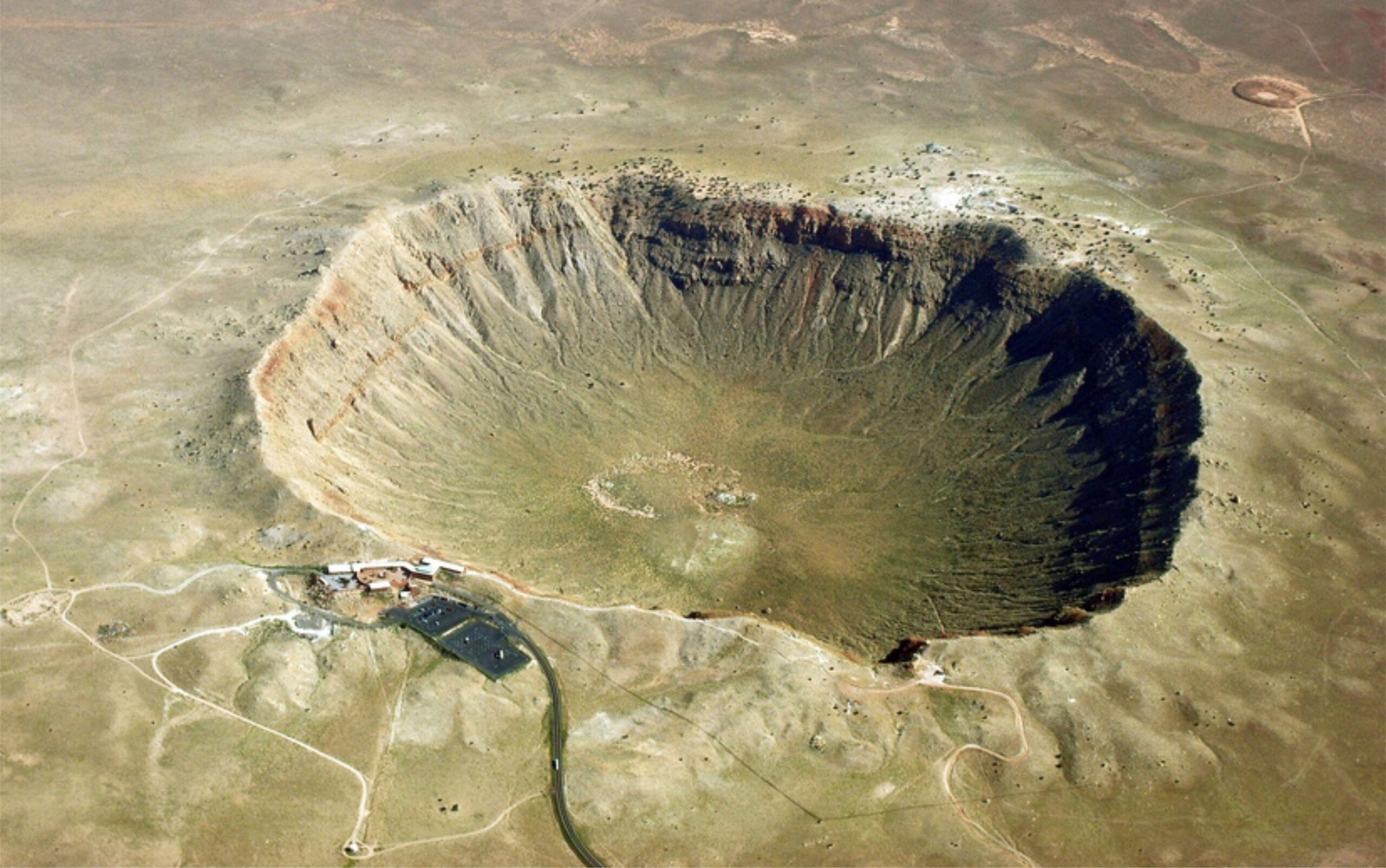
Lakes created by meteor impacts represent some of the most intriguing geological features on Earth, formed from the violent collisions of celestial bodies. Unlike lakes formed by glaciers or rivers, these unique crater lakes arise from the aftermath of high-energy impacts that create depressions filled with water over time. Throughout history, Earth has witnessed numerous meteor strikes, resulting in significant craters that have evolved into stunning lakes, each with its own story to tell. Famous lakes created by impacts, such as Lake Manicouagan and Lake Bosomtwe, showcase the beauty and mystery of these extraordinary natural wonders. The study of these meteor impact lakes not only enhances our understanding of planetary processes but also provides valuable insights into Earth’s climatic history through sediment analysis and other geological evidence.
Meteor impact lakes, also known as impact craters filled with water, are fascinating remnants of our planet’s turbulent history with outer space. These unique bodies of water, formed when meteors collide with Earth’s surface, create distinctive circular basins that tell a story of cosmic events. Known by various terms such as crater lakes or Earth’s meteor lakes, they can be found in diverse environments across the globe, from tropical rainforests to rugged wildernesses. Each crater lake carries a vast trove of geological and climatic data that scientists study to unlock the secrets of the Earth’s past. As both natural phenomena and scientific resources, these lakes continue to captivate researchers and nature enthusiasts alike.
The Fascinating Origins of Meteor Impact Lakes
Meteor impact lakes are among nature’s most extraordinary formations, originating from the violent collisions of celestial bodies with Earth’s surface. When a meteor strikes, it releases an incredible amount of energy, creating a crater that might later be transformed into a lake through natural processes. This rare phenomenon gives rise to unique geological features that differ significantly from lakes formed by glacial or volcanic activities. The size, depth, and shape of these lakes can vary immensely, reflecting the meteor’s size, velocity, and the geology of the impacted area. As such, lakes created by meteor impacts serve not only as stunning natural landmarks but also as valuable sites for scientific research, providing insights into Earth’s history and the events that shaped it.
The most notable aspect of these lakes is their permanence in stark contrast to eroding craters that may vanish over time. Meteor impact lakes, like Lake Manicouagan in Canada, highlight how these impact structures can evolve into stable ecosystems, offering a glimpse into ancient environments and climatic conditions. Beyond their beauty and ecological value, these lakes act as windows into Earth’s geological history, allowing scientists to study sediment layers and the profound changes that have occurred over millions of years.
One of the key features that distinguish meteor impact lakes from other types is the presence of a well-defined impact structure, often characterized by raised rims and central uplifts. These features are not just visually striking but also hold geological significance, providing clues about the dynamics of impact events. For example, Lonar Lake in India showcases a unique alkaline and saline chemistry as a result of its meteoric origin, attracting researchers interested in extremophile organisms that thrive in such conditions. Similarly, Lake Elgygytgyn in Russia stands out due to its remarkably preserved sediment records, which have become invaluable for reconstructing ancient climates and understanding the effects of climate change.
Famous Meteor Impact Lakes Around the World
Around the globe, several famous lakes created by meteor impacts draw the attention of scientists and tourists alike. These lakes not only represent unique geological histories but also serve as vital research sites that offer insights into planetary processes. Clearwater Lakes in Canada, for example, comprise two striking craters that formed over 100 million years apart, demonstrating the diversity and complexity of meteor impacts. Their distinctive circular shapes are a testament to the violent forces that created them, providing a platform for ongoing research into the nature of impact events and their long-term consequences on the Earth’s landscape.
Similarly, Lake Bosomtwe in Ghana stands out as a cultural and ecological treasure. This relatively small, circular lake has become a crucial resource for local communities and researchers alike, as its sediment layers preserve a record of West Africa’s climatic past. Tourists flock to this lake not only for its beauty but also to learn about its significance in the region’s folklore and its role in sustainable fishing practices. Meanwhile, Karakul Lake in Tajikistan, nestled high in the Pamir Mountains, offers stunning views while raising awareness about the effects of elevation on impact structure formation, showcasing yet another layer of diversity found in Earth’s meteor lakes.
Examining these lakes enables researchers to explore various aspects of geology, climate history, and biodiversity. For instance, Mistastin Lake’s glass-like materials connect it to lunar samples, highlighting the shared elements of celestial and terrestrial processes. The different aquatic environments found in these lakes serve as models for understanding ecosystems elsewhere, be it in arctic conditions or basaltic terrains. Overall, each lake is a testament to both Earth’s turbulent past and the complex interplay of geological forces that lead to the formation of unique water bodies.
The Vital Role of Meteor Impact Lakes in Climate Research
Meteor impact lakes play a crucial role in our understanding of climate history, acting as natural archives that preserve detailed sediment records of past environments. Over millennia, sediments accumulate at the bottom of these lakes, capturing changes in climate, vegetation, and environmental conditions. For instance, scientists studying Lake Elgygytgyn have found evidence that spans millions of years, providing insights into shifts in the Arctic climate and how they correspond with global trends. This research not only helps clarify local climatic changes but also serves as a broader reflection of planetary climate patterns and shifts over geological time periods.
These findings reveal how earth’s ecosystems have adapted to changes, offering critical lessons for contemporary climate science. Such lakes enable researchers to trace the impacts of major climatic events, such as glacial and interglacial periods, which enhances our understanding of how current and future climate variation might unfold. As a result, lagoons created by meteor impacts are not merely geological curiosities; they are essential components in the study of Earth’s climatic narrative, linking past, present, and future climate dynamics.
Moreover, climate research conducted in these lakes can also inform how ecosystems might respond to ongoing climatic changes. With the increasing variability of global climates driven by human influence, understanding these past changes becomes even more relevant. By analyzing sediment cores from lakes like Mistastin and Bosomtwe, scientists are better equipped to predict potential future scenarios and how various ecosystems may cope with these shifts. Thus, meteor impact lakes serve not only as striking geological features but as invaluable scientific resources in our quest to understand the complexities of climate change.
Ecological Significance of Impact Crater Lakes
Impact crater lakes are not only remarkable geological formations but also vibrant ecological niches. Due to their unique chemical compositions, influenced by the meteoric origins of these lakes, they often support distinct ecosystems compared to other lake types. For instance, Lonar Lake’s alkaline and saline waters create a habitat for specialized microorganisms, drawing researchers interested in extremophiles that may offer insights into life’s potential on other planets, such as Mars. This ecological uniqueness extends to fish and plant species that have adapted to thrive in these unique environments, solidifying their role in biodiversity studies.
Additionally, lakes formed by meteor impacts frequently become focal points for research on the effects of climate change on freshwater ecosystems. As a result of their distinct geological backgrounds, they may react differently compared to lakes formed through glacial or volcanic activity. For example, studies on Lake Bosomtwe provide insights into how sedimentation patterns can reflect climatic shifts over time, allowing scientists to monitor the ecological responses of aquatic life to environmental changes. Therefore, these lakes serve as living laboratories, enhancing our understanding of biodiversity and ecological resilience amidst changing climate conditions.
Challenges in Studying and Preserving Meteor Impact Lakes
Studying and preserving meteor impact lakes presents a unique set of challenges for researchers and conservationists alike. The remote locations of many of these lakes, such as Karakul Lake and Lake Elgygytgyn, make access difficult, often requiring extensive logistical planning to conduct field studies. Furthermore, the rugged terrain surrounding these lakes can complicate the collection of sediment cores and the monitoring of ecological health. Such difficulties undermine efforts to fully understand the geological and ecological significance of these unique environments, making it crucial for the scientific community to find innovative methods for studying and preserving these natural wonders.
In addition to accessibility challenges, many impact lakes are also threatened by human activities, including mining, pollution, and climate change. The effects of increasing temperatures and shifting precipitation patterns can alter the delicate ecosystems within these lakes, potentially leading to species loss and habitat degradation. Conservation efforts must, therefore, prioritize not only understanding the historical and scientific value of these lakes but also actively mitigating the threats they face. Collaborative efforts among governments, environmental organizations, and scientific communities are essential for ensuring that lakes created by meteor impacts are preserved for future research and enjoyment.
The Mysterious Formation of Crater Lakes
The formation of crater lakes begins with cataclysmic events that reshape the landscape. When a meteor strikes Earth, the kinetic energy released is powerful enough to create a cavity in the soil, leading to the development of what will eventually become a lake. As the immediate effects of the impact subside, rainwater and surface runoff gradually draw into the basin, filling it over time. Unlike glaciers or volcanic activity, which tend to create lakes in a more gradual and predictable manner, the process of developing a crater lake is highly influenced by the characteristics of the original impact, such as the size and speed of the meteor. This initial violent event lays the foundation for a new ecological and geological legacy.
Many crater lakes also exhibit distinct features, such as raised rims and central uplifts, which provide clues about the impact dynamics and subsequent geological processes. As observed in Lakes Manicouagan and Clearwater, these features can help researchers investigate the geological history of the area long after the impact itself. Additionally, the unique conditions created in each lake—such as pH, temperature, and salinity—can lead to ecological niches that harbor specialized life forms found nowhere else on Earth. Thus, studying the formation of crater lakes offers a dual advantage: it reveals important aspects of Earth’s past while simultaneously highlighting the extraordinary biodiversity that can arise from such tumultuous beginnings.
The Importance of Satellite Imagery in Identifying Meteor Impact Sites
Satellite imagery has revolutionized the way scientists identify and study meteor impact lakes. High-resolution satellite images allow researchers to pinpoint circular depressions in the landscape, often revealing details that might remain hidden from ground-level observation. This technology enables the discovery of new impact structures, some of which may host lakes that provide vital clues to Earth’s geological history. For example, researchers have utilized satellite data to assess the extent of meteor impact sites and correlate these findings with existing geological maps, enhancing our understanding of the distribution of these rare features across the globe.
Moreover, satellite imagery facilitates continuous monitoring of these lakes, tracking changes over time and providing crucial data for climate-related studies. By observing changes in size, water levels, and external environmental impacts, scientists are better equipped to predict future ecological shifts. Such ongoing research underscores the importance of integrating technology, like satellite imagery, into geological and ecological studies of meteor impact lakes, ultimately helping to safeguard these unique ecosystems while deepening our understanding of Earth’s history.
Exploring the Cultural Significance of Impact Lakes
Beyond their geological and ecological importance, lakes created by meteor impacts often hold cultural significance for local communities. For instance, Lake Bosomtwe in Ghana is not only a geological wonder but also a central element of local folklore and tradition. Considered sacred by the surrounding communities, it plays a vital role in cultural practices, rituals, and economic activities such as fishing. This cultural connection elevates the lake’s significance beyond mere scientific curiosity, making it a cherished resource that highlights the interplay between nature and human values.
Likewise, Karakul Lake in Tajikistan is enveloped in stories and legends, with local inhabitants viewing it as a mystical place defined by its bizarre landscape and unique aquatic life. By exploring the cultural narratives tied to these lakes, researchers gain a deeper understanding of how natural phenomena are woven into the social fabric of human life, emphasizing the need to respect and protect these environments for future generations.
Moreover, the preservation of meteor impact lakes can often provide opportunities for ecotourism, benefiting local economies while promoting environmental awareness. By recognizing the cultural and spiritual values associated with lakes like Mistastin and Elgygytgyn, communities can engage in sustainable practices that protect these natural treasures. Therefore, integrating cultural significance into the conservation conversation is essential, ensuring that the ecological, historical, and cultural legacies of meteor impact lakes are preserved and celebrated.
Frequently Asked Questions
What are some famous lakes created by meteor impacts?
Some of the most famous lakes created by meteor impacts include Lake Manicouagan in Canada, known as ‘the Eye of Quebec’, and Lake Bosomtwe in Ghana, which is notable for its circular basin. Other significant impact lakes are Karakul Lake in Tajikistan, Lonar Lake in India, Mistastin Lake in Canada, Lake Elgygytgyn in Russia, and the Clearwater Lakes, also in Canada. Each of these lakes has unique geological features and provides insights into Earth’s history.
| Lake Name | Location | Formation Period | Significance | Unique Features |
|---|---|---|---|---|
| Lake Manicouagan | Canada | Approximately 214 million years ago | One of the most recognizable impact structures on Earth | Circular lake resembling a giant ring, large central uplift. |
Summary
Lakes created by meteor impacts represent some of the most fascinating geological phenomena on Earth. These rare lakes, shaped dramatically by the violent collisions of celestial bodies, provide significant insight into our planet’s history and the processes that have shaped its surface. The stunning examples such as Lake Manicouagan and Lake Bosomtwe not only captivate scientists but also engage tourists and nature lovers who seek to witness their unique beauty firsthand. With each impact lake offering clues to climatic conditions and geological evolution, their importance extends far beyond mere aesthetics, contributing invaluable data to our understanding of both Earth’s past and the broader universe.