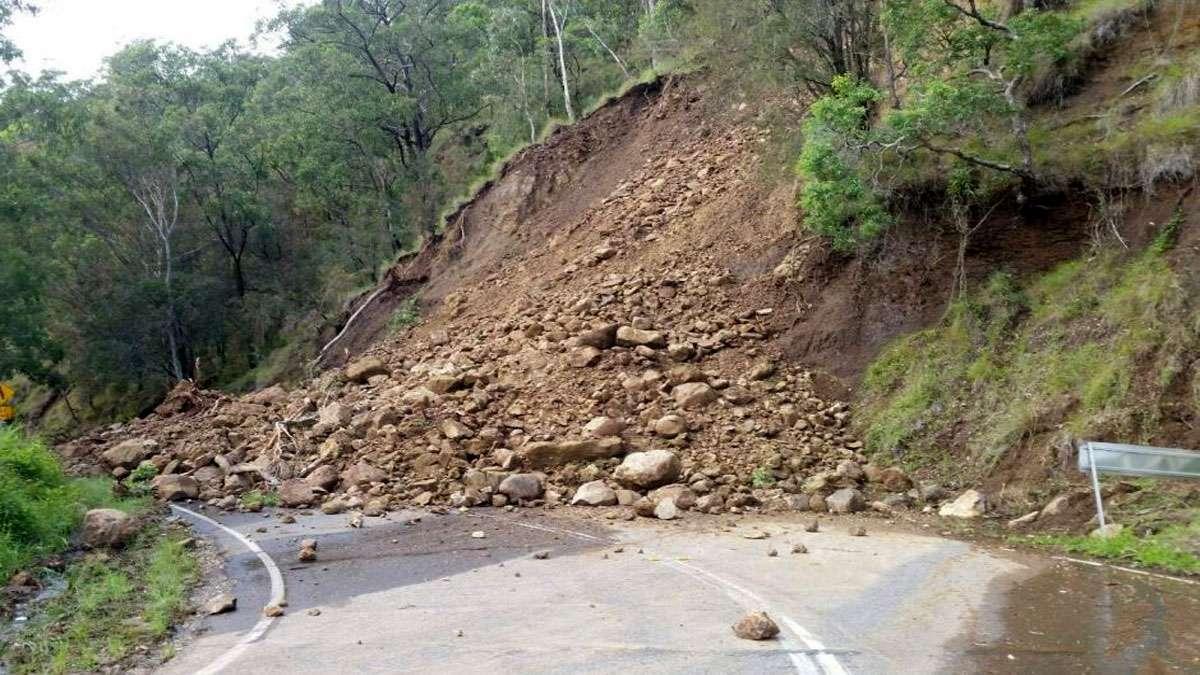
Monsoon floods have become an annual challenge in regions across India, particularly affecting areas like Arunachal Pradesh and Assam. The relentless monsoon rain impact can lead to devastating consequences, including flash floods in northeast India and deadly landslides in Assam. Recent events have showcased the severity of these natural disasters, with reports indicating that at least four lives were lost in Arunachal Pradesh, while more than 45,500 individuals in Assam have been severely impacted. The destruction of vital infrastructure such as roads and bridges exacerbates the situation, challenging disaster response efforts in Arunachal. As communities seek to rebuild, the urgent need for effective disaster management strategies becomes increasingly clear.
The onset of the monsoon season signals significant challenges for several Indian states, with flooding being one of the most critical issues faced. The torrential downpours can lead to flash floods that disrupt lives and livelihoods, particularly in vulnerable regions like Arunachal Pradesh and Assam. These extreme weather events not only result in immediate threats such as landslides but also long-term consequences for infrastructure and the environment. As the rain pours relentlessly, communities are thrust into survival mode, facing the daunting task of recovery and response from such calamities. Addressing the impact of these monsoon-induced disasters requires an integrated approach that includes preparation, timely response, and resilient rebuilding efforts.
The Impact of Monsoon Floods on Northeast India
Monsoon floods are a seasonal phenomenon in Northeast India, bringing both life-giving rains and devastating destruction. The relentless monsoon rains this year have been particularly severe, leading to flash floods that have disrupted the lives of thousands in states like Arunachal Pradesh and Assam. With rivers overflowing and landslides blocking highways, the impact on local communities has been overwhelming. Reports indicate that more than 45,500 individuals in Assam have been severely affected, highlighting the urgent need for effective disaster response strategies in these vulnerable regions.
The repercussions of monsoon floods extend far beyond immediate impact, affecting the region’s infrastructure and economy. Essential services such as transportation and communication are often brought to a halt, with roads and bridges damaged or completely washed away. In Arunachal Pradesh, the loss of four lives underscores the tragic side of natural disasters, emphasizing the importance of preparedness and resilience. As climate patterns continue to shift, understanding the nuances of monsoon rain impact will be crucial for developing sustainable flood management strategies.
Assam Landslides and Their Connection to Heavy Rains
The recent landslides in Assam can be directly linked to the heavy monsoon downpours that have plagued the region. These landslides not only pose immediate dangers to life but also exacerbate the ongoing issues related to flooding in the area. As the soil becomes saturated from relentless rainfall, the stability of hillsides is compromised, leading to dangerous rockfalls and mudslides. This year, many mountainous areas have seen significant disruptions, showcasing the frightening power of nature and underlining the need for advanced monitoring of weather patterns and geological stability.
Furthermore, the frequency of Assam landslides during the monsoon season reiterates the necessity for comprehensive disaster management plans. Local agencies must be equipped with the resources needed to respond to these emergencies swiftly and efficiently. Community awareness programs focused on the risks associated with heavy rains and landslides can help mitigate casualties and injuries. As Assam faces the relentless onslaught of nature, the need for strategic planning in disaster response remains more critical than ever.
Strategies for Effective Disaster Response in Arunachal Pradesh
As the relentless monsoon rains wreak havoc on Arunachal Pradesh, effective disaster response becomes paramount to safeguard lives and livelihoods. Coordination between local government agencies and NGOs is essential to ensure a rapid response to flooding and landslide events. Leveraging technology, such as early warning systems and real-time communication platforms, can help keep communities informed and facilitate timely evacuations when necessary. Regular disaster drills and preparedness training can also empower residents, allowing them to respond more effectively when disasters strike.
Additionally, the rebuilding phase post-disaster presents an opportunity for improving infrastructure resilience. Investing in flood barriers, improved drainage systems, and sustainable land-use practices can help minimize the impact of future monsoon floods. Engaging local communities in planning and implementation will ensure that the solutions are practical and culturally appropriate. By adopting a proactive approach to disaster response and recovery, Arunachal Pradesh can enhance its resilience to the ongoing threat of monsoon floods and associated hazards.
Understanding Flash Flood Dynamics in Northeast India
Flash floods in Northeast India are a complex interplay of geological, meteorological, and hydrological factors exacerbated by the annual monsoon rains. The terrain of the region—with its hilly landscapes prone to landslides—combined with intense rainfall events can lead to rapid water accumulation and uncontrolled flows. Rivers may swell beyond their banks, creating catastrophic flood conditions that can devastate communities within minutes. Understanding these dynamics is crucial for crafting effective flood risk management and response plans tailored to the specific needs of vulnerable populations.
Research into flash flood patterns can inform local governments and disaster response teams about potential risk zones and allow for more precise forecasting. Implementing monitoring systems that track rainfall intensity and river levels in real-time can provide critical data to alert residents of incoming flood threats. Additionally, educational outreach efforts about the nature of flash floods, how to prepare, and respond during such events can empower community members and potentially save lives when disaster strikes.
The Role of Government in Managing Monsoon Rain Impact
The government’s response to the challenges posed by monsoon rains, floods, and landslides is crucial in minimizing the impact on affected populations in Arunachal Pradesh and Assam. Rapid assessment teams should be deployed immediately following severe weather events to evaluate damage and deploy necessary resources. Moreover, the establishment of a dedicated disaster response unit equipped with trained personnel can enhance the efficiency of emergency interventions, from relief distribution to infrastructure repair.
Furthermore, policy frameworks focused on disaster risk reduction should integrate climate change projections to prepare for the evolving challenges posed by more intense rainfall events. By allocating sufficient funding for infrastructure resilience projects and fostering partnerships with local communities, governments can build a foundation for long-term recovery and enhanced adaptive capacity in the face of future monsoon floods.
Community Resilience Amidst Natural Calamities
Community resilience plays a pivotal role in the aftermath of natural calamities such as monsoon floods and landslides in Northeast India. Local populations often possess valuable knowledge about coping strategies developed through experiences with previous disasters. Harnessing this local knowledge alongside external assistance can significantly improve recovery efforts. Initiatives that promote community-led disaster preparedness and response can empower residents to act decisively when floods strike, enabling them to safeguard their families and properties.
Building community resilience also necessitates investments in educational programs that teach individuals and families about disaster preparedness, response protocols, and recovery techniques. Creating supports such as local disaster response teams or community safety networks can fortify the social fabric and improve coordination during emergencies. As communities across Arunachal Pradesh and Assam continue to grapple with the consequences of monsoon rains, the focus on resilience will be a key factor in overcoming the challenges that lie ahead.
The Economic Toll of Monsoon Floods
The economic impact of monsoon floods in regions like Arunachal Pradesh and Assam is profound, affecting livelihoods, agriculture, and infrastructure. As floodwaters destroy crops and inundate farmland, farmers face ruin, threatening food security in the local economy. Additionally, the destruction of roads and bridges not only obstructs trade and transportation but can also significantly increase recovery costs and delays in aid delivery. With many households already vulnerable, the economic implications of seasonal flooding can exacerbate poverty levels and hinder long-term community development.
Responding to the economic toll of monsoon floods requires a multi-faceted approach that includes both immediate recovery efforts and long-term economic planning. Supporting affected farmers through grants and subsidies, improving flood-damage assessments, and investing in flood-resilient crop varieties are vital steps. Moreover, establishing comprehensive insurance schemes for crops and properties can provide essential financial relief to disaster-stricken households, helping to stabilize the economy after catastrophic flooding events.
Innovative Solutions for Flood Management
Innovative solutions for flood management in Arunachal Pradesh and Assam are now imperative as climate change intensifies the frequency and severity of monsoon rains. Incorporating technology, such as satellite imagery for real-time monitoring of flood-prone areas, can aid in timely interventions and efficient disaster response efforts. Investment in green infrastructure—such as restoring wetlands to absorb excess rainwater—can also play a vital role in mitigating flood risks and enhancing natural resilience in the landscape.
Additionally, community-based approaches, which engage local citizens in flood management planning and implementation, can lead to sustainable solutions. Utilizing traditional knowledge alongside modern practices can create adaptive strategies that reflect local needs and environments. Emphasizing eco-friendly practices in agriculture and urban planning can help build a more resilient and efficient system for managing the inevitable impacts of monsoon rains and flooding in Northeast India.
Long-term Strategies for Climate Adaptation
Long-term strategies for climate adaptation are crucial as states like Arunachal Pradesh and Assam continue to face challenges posed by intense monsoon rains and their associated disasters. Policymakers must prioritize sustainable development initiatives that reduce vulnerability to climate-induced hazards. This involves assessing infrastructure—such as roads and bridges—for their susceptibility to flooding and landslides and investing in upgrades or relocations where necessary to safeguard against future disasters.
Furthermore, fostering community engagement in climate adaptation strategies ensures that local voices and needs are integral to planning processes. Education on climate change effects and sustainable practices can empower residents to adopt measures that mitigate their risks. Building climate resilience across Assam and Arunachal Pradesh serves not only to protect lives and infrastructure but also preserves the economic livelihood of communities amidst the increasing unpredictability of climate events.
Frequently Asked Questions
What are monsoon floods and how do they affect Arunachal Pradesh and Assam?
Monsoon floods occur due to relentless rainfall during the monsoon season, significantly impacting regions like Arunachal Pradesh and Assam. In these areas, excessive rain leads to flash floods and landslides, causing destruction to roads, bridges, and public infrastructure, while affecting thousands of residents.
How have recent monsoon rains impacted infrastructure in northeastern India?
The recent monsoon rains have led to severe disruptions in northeastern India, particularly in Arunachal Pradesh and Assam. Flash floods and landslides have resulted in widespread destruction of vital infrastructure, including roads and bridges, hampering disaster response efforts in the region.
What disaster response measures are being taken in Arunachal Pradesh due to flooding?
In response to the catastrophic monsoon floods in Arunachal Pradesh, authorities are implementing disaster response measures aimed at aiding the affected populations. This includes search and rescue operations, provision of immediate relief supplies, and restoration efforts for essential infrastructure damaged by the floods.
How can residents of Assam prepare for monsoon floods?
Residents of Assam can prepare for monsoon floods by staying informed about weather conditions, creating an emergency plan, securing important documents, and having necessary supplies on hand. Awareness of the potential for landslides can help residents in vulnerable areas take preventive actions during heavy monsoon rains.
What were the recent casualties reported due to monsoon floods in Arunachal Pradesh?
Recently, monsoon floods in Arunachal Pradesh have led to tragic casualties, with reports indicating at least four fatalities over the past week. The ongoing severe weather poses significant dangers to the local population.
What are the environmental impacts of flash floods in northeastern India?
Flash floods in northeastern India disrupt ecosystems, erode soil, and may lead to long-term changes in land use. In addition to immediate dangers to human life and community infrastructure, these floods can have lasting environmental consequences, affecting biodiversity and water quality.
Why are landslides a common occurrence during monsoon seasons in Arunachal Pradesh?
Landslides are frequently triggered during monsoon seasons in Arunachal Pradesh due to the region’s steep terrain and heavy rainfall. As monsoon rains saturate the soil, unstable slopes become prone to collapsing, resulting in hazardous conditions for nearby communities.
What steps can the government take to mitigate the impact of monsoon floods in Assam?
To mitigate the impact of monsoon floods in Assam, the government can enhance drainage systems, improve early warning systems, and invest in infrastructure projects aimed at flood prevention. Additionally, engaging in community education on flood preparedness can further reduce the risks associated with monsoon rains.
| Key Point | Details |
|---|---|
| Monsoon Rains | Relentless rains are causing severe weather conditions. |
| Regions Affected | Arunachal Pradesh and Assam are facing significant impacts. |
| Disasters Caused | Flash floods and landslides are prominent disasters resulting from the rains. |
| Impact on Infrastructure | There has been widespread destruction of roads, bridges, and public infrastructure. |
| Casualties | At least four people have died in Arunachal Pradesh due to the floods. |
| People Affected | Over 45,500 individuals have been impacted in Assam. |
Summary
Monsoon floods are causing unprecedented devastation in Arunachal Pradesh and Assam, with relentless rains leading to flash floods and critical disruptions in public infrastructure. The impact of these floods is severe, with numerous casualties and a large number of people affected, highlighting the urgent need for effective disaster management and support for the victims.