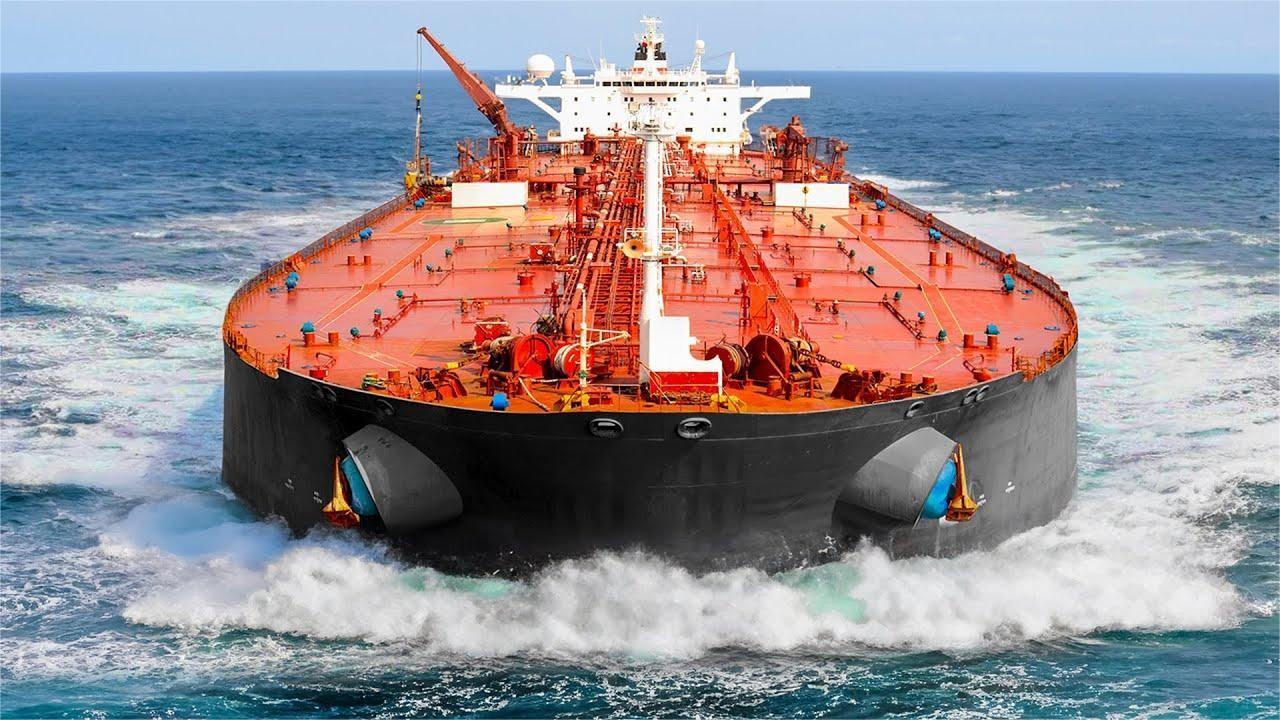
The India-bound oil tanker, MT Sanmar Herald, has made headlines after successfully navigating through perilous waters fraught with geopolitical shipping challenges to arrive safely at Paradip Port in Odisha. This crude oil vessel was en route from Iraq when it sustained shrapnel damage amid growing tensions in the Middle East, specifically while traversing the Strait of Hormuz, known for its frequent incidents impacting maritime safety. The crew and Master displayed remarkable resilience, working alongside the Indian Navy to ensure their safe passage through hostile territory, a journey that has been recognized as exemplary in oil tanker safety. Upon reaching Paradip Port, officials celebrated the crew’s extraordinary efforts, emphasizing the significance of this successful delivery amidst the backdrop of ongoing Middle East shipping news. This incident showcases not only the dangers faced by oil transportation but also the dedication of seafarers in managing such risks during their voyages.
The recent arrival of the oil tanker MT Sanmar Herald at Paradip Port has shed light on the complexities of maritime transportation, particularly in regions marked by conflict. Even as it transported vital crude oil from Iraq, the vessel faced direct threats that tested the mettle of both its crew and operational protocols. This situation highlights broader issues within the shipping industry, including the vulnerabilities associated with the Strait of Hormuz and the impact of geopolitical tensions on safe maritime navigation. As global trade relies heavily on the effectiveness of oil carriers like the Sanmar Herald, understanding incidents related to oil tanker operations becomes essential for stakeholders in the energy sector. The successful completion of this journey not only underscores the importance of robust safety measures but also reflects the relentless spirit of maritime professionals confronting hazardous conditions head-on.
The Courageous Journey of the India-Bound Oil Tanker
The journey of the MT Sanmar Herald stands as a testament to the courage and resilience of maritime crews navigating risky waters. Originating from Iraq, this India-bound oil tanker encountered a series of formidable challenges, including hostile incidents near the Hormuz Strait, infamously recognized for its geopolitical shipping challenges. Despite sustaining shrapnel damage during an encounter in the region, the tanker successfully docked at Paradip Port in Odisha. The crew’s ability to adapt to emergencies highlighted their skill and commitment to oil tanker safety, ensuring that the precious cargo of Basrah Medium and Heavy crude oil made it to its destination without further incident.
This extraordinary voyage exemplifies the unyielding spirit required in modern shipping, particularly in areas fraught with tension like the Middle East. Throughout the ordeal, the crew maintained continuous communication with the Indian Navy, demonstrating a collaborative approach to ensuring their safe passage. Their successful navigation through this challenging route provides vital Middle East shipping news that reinforces the importance of preparedness and quick-thinking in the face of adversity, especially as global reliance on maritime oil transport continues to grow.
Navigating Geopolitical Challenges in Maritime Shipping
The incidents surrounding the Strait of Hormuz have become pivotal to discussions about geopolitical challenges in shipping. This crucial waterway, which sees about a fifth of the world’s oil supply pass through daily, has recently witnessed increased hostilities, prompting vessels like the MT Sanmar Herald to adopt rigorous safety measures during their journeys. As tensions rise, oil tanker safety becomes not merely a logistical concern but a pivotal aspect of international maritime law and operational protocols, ensuring the uninterrupted flow of critical resources.
The arrival of the MT Sanmar Herald at Paradip Port serves not only as a relief but a reminder of the ever-present risks faced by seafarers. It underscores the necessity for enhanced security measures, both at sea and at ports, to protect ships against geopolitical threats. Such incidents have prompted dialogue on improving safety protocols, seeking to mitigate risks for oil tankers traversing conflict-prone areas. As the industry evolves, awareness and preparedness for these challenges will be crucial in preserving safe maritime routes worldwide.
The Significance of Safe Maritime Operations
Safe maritime operations are fundamental not only to the success of individual voyages but also to the stability of global trade. The successful arrival of the MT Sanmar Herald at Paradip Port underscores the importance of safety protocols in addressing the dangers posed by navigating through hostile waters, particularly in regions with frequent incidents like those seen in the Strait of Hormuz. Each journey carries the weight of not just precious cargo, but also the lives of the crew who work tirelessly against the odds.
The Paradip Port Authority’s acknowledgment of the crew’s bravery speaks volumes about the environment in which modern maritime operations function. The recognition serves as encouragement for continuous improvement in safety measures and protocols to protect seafarers. As the shipping industry collectively addresses the rising threats posed by political tensions and piracy, it is imperative to foster a culture of safety that not only prioritizes successful deliveries but also the well-being of all personnel involved.
Welcome Celebrations at Paradip Port: A Tribute to Seafarers
The arrival of the MT Sanmar Herald at Paradip Port was met with jubilant celebrations, reflecting the relief and safety of its successful journey. Acknowledgment from the Paradip Port Authority was a heartfelt tribute to the crew, recognizing their tremendous effort in overcoming several adversities at sea. Such celebrations reinforce the significance of every safe return in the shipping industry, especially when faced with geopolitical uncertainties that threaten maritime transport.
Celebrating achievements in maritime navigation speaks to the resilience of the human spirit. The mementos and greetings offered by port officials not only honor the crew’s bravery but also revive the much-needed spirit of camaraderie within the international shipping community. These greeting moments strengthen ties between port authorities and crews, fostering camaraderie that is essential in operating within an industry fraught with unpredictability and danger.
The Role of the Indian Navy in Maritime Security
The Indian Navy played a crucial role in ensuring the safety of the MT Sanmar Herald during its journey through the perilous Strait of Hormuz. Their expertise and swift response to threats underscore the importance of naval operations in safeguarding maritime trade routes, particularly in areas marked by geopolitical strife. As tensions persist in the region, the Navy’s ongoing commitment to securing shipping lanes enhances oil tanker safety and provides reassurance to vessels traversing these waters.
Moreover, the partnership between the shipping industry and the Indian Navy highlights the need for joint operational efforts in maritime security. As shipping companies face escalating challenges in hostile environments, collaboration with naval forces can lead to more secure operational frameworks. This strengthened relationship promises enhanced safety measures and a proactive stance against potential maritime threats, ultimately ensuring smoother operations for oil tankers and other merchant vessels.
The Impact of Geopolitical Tensions on Oil Trade
Geopolitical tensions in the Middle East significantly influence the global oil trade, as illustrated by the challenges faced by the MT Sanmar Herald. Such tensions not only threaten the safety of individual oil tankers but can also create ripple effects that affect supply chains on a global scale. The incidents in the Strait of Hormuz serve as a stark reminder of how political dynamics can potentially disrupt the flow of crude oil, a critical resource for many economies.
Understanding these impacts is vital for stakeholders across the shipping and oil industries. The need for robust contingency plans and the development of strategic maritime routes is now more pertinent than ever. Shipping companies must remain vigilant and adapt to the ever-changing geopolitical environment that shapes the landscape of oil transportation, ensuring that they can continue to navigate challenges while maintaining oil tanker safety.
Ensuring Future Oil Safety through Advanced Technologies
As the shipping industry confronts the challenges posed by geopolitical tensions, the implementation of advanced technologies becomes paramount to ensuring oil tanker safety. Innovations such as drone surveillance, real-time monitoring systems, and enhanced communication tools equip crews to better handle emergent threats encountered while navigating hostile waters like those near the Strait of Hormuz. These technologies not only bolster safety protocols but also improve operational efficiencies.
Furthermore, the adoption of predictive analytics and risk assessment tools can aid in pre-emptively identifying potential threats, enabling crews to adjust their routes or operations to avoid danger. By investing in the future of maritime technology, the industry can pave the way for safer shipping practices. This is particularly significant for oil transport where the stakes are high and the implications of disruptions can influence global oil markets.
The Future of Oil Transportation in a Changing World
The future of oil transportation is entangled with the evolving political landscapes and the increasing demand for energy independence. As seen with the MT Sanmar Herald, successful navigation through conflict-affected areas provides insight into the resilience needed for maritime operations moving forward. It suggests that the shipping industry must remain adaptable in reaction to geopolitical changes while increasing collaboration among nations to ensure trade routes remain open and safe.
In light of these developments, oil companies and shipping operators are prompted to evaluate new strategies for transporting crude oil more efficiently and safely. This includes diversification of routes, the incorporation of better risk management protocols, and a keen awareness of international relations and their impacts on maritime shipping. Ultimately, a proactive approach combining technology, collaboration, and strategic planning is essential to safeguard the future of oil transportation in an unpredictable world.
Maritime Training and Preparedness for Oil Tankers
The successful outcome of the MT Sanmar Herald’s journey emphasizes the paramount importance of maritime training and preparedness among crews operating oil tankers. Rigorous training programs focusing on crisis management, emergency response, and navigation in hostile environments equip seafarers with the skills necessary to face real-world challenges at sea. Such enhanced preparedness not only ensures the safety of the crew but also bolsters the overall safety records of oil transportation.
Moreover, the shipping industry must continue to invest in training initiatives that address the specific risks associated with geopolitical tensions. Incorporating simulations that reflect potential scenarios in hotspots like the Strait of Hormuz can prepare crews for any eventuality. Continuous education and skill upgrades are vital for maintaining high safety standards, ultimately protecting both crews and cargo in the pursuit of navigating the complexities of modern maritime shipping.
Frequently Asked Questions
What measures are taken for oil tanker safety during transit through the Hormuz Strait?
Oil tanker safety during transit through the Hormuz Strait is of paramount importance due to geopolitical challenges. Tankers like the MT Sanmar Herald, which recently navigated these waters, operate under strict safety protocols and continuous coordination with naval forces, such as the Indian Navy. These measures include risk assessment, real-time monitoring of maritime security threats, and adherence to international safety regulations, ensuring that crew and cargo remain safe even amidst potential skirmishes.
| Key Points | Details |
|---|---|
| Arrived at Paradip Port | The MT Sanmar Herald reached Paradip Port safely after a challenging journey through conflict zones. |
| Shrapnel Damage | The tanker sustained shrapnel damage during hostilities while navigating through the Middle East, including the Strait of Hormuz. |
| Cargo Details | The tanker was carrying Basrah Medium and Basrah Heavy crude oil from Iraq. |
| Support from Indian Navy | Throughout the journey, the vessel coordinated closely with the Indian Navy for safety. |
| Crew Recognition | Upon arrival, the crew was warmly welcomed by officials and honored for their professionalism and bravery. |
| Successful Journey | The Paradip Port Authority praised the crew’s resilience, stating the voyage exemplified courage amidst geopolitical challenges. |
Summary
The India-bound oil tanker MT Sanmar Herald has successfully navigated through perilous waters to reach Paradip Port in Odisha, showcasing remarkable resilience and professionalism. This tanker, which endured shrapnel damage during a hostile journey in the Middle East, was loaded with valuable Basrah Medium and Basrah Heavy crude oil from Iraq. The effective coordination with the Indian Navy and the crew’s unwavering commitment to safety were pivotal factors in ensuring the tanker arrived without further incident. The Paradip Port Authority honored the crew for their bravery upon arrival, reflecting the vital role that seafarers play in sustaining global trade even in the face of danger. This incident not only underscores the harsh realities of maritime transport in conflict zones but also highlights the importance of support and recognition for those who work tirelessly to keep vital trade routes open.