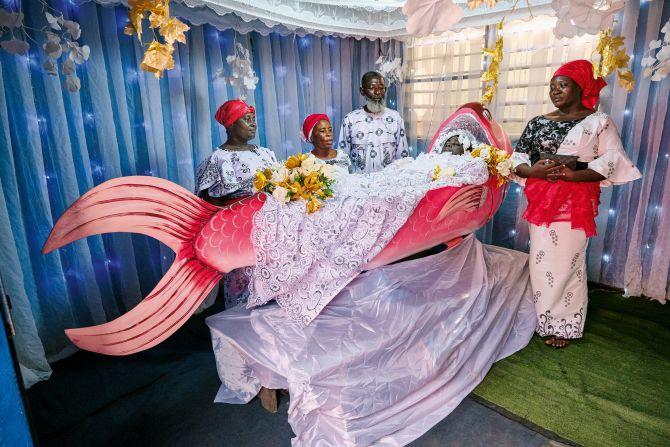
Fantasy coffins represent an extraordinary innovation in Ghana’s funeral tradition, seamlessly blending art and culture into a poignant tribute to the deceased. Unlike the conventional, somber burial practices seen in many parts of the world, these handcrafted coffins are vibrant reflections of the unique identities and stories of individuals, showcasing a stunning array of shapes from fish to airplanes. Rooted in the rich customs of the Ga community, these coffins turn a funeral into a celebration of life, allowing families to honor their loved ones in unforgettable ways. Each piece is meticulously crafted, transforming local hardwood into a symbol of personal legacy and cultural heritage. For those seeking unique travel experiences in Ghana, exploring the art of burial in Ghana through these fantasy coffins offers a fascinating glimpse into how joy can coexist with sorrow in a truly vibrant community.
The concept of whimsical coffins, often referred to as artistic or personalized burial vessels, encapsulates the essence of Ghana’s distinctive approach to commemorating the dead. This form of burial artistry is deeply intertwined with the cultural expressions of the Ga people, who have elevated the act of saying farewell into a creative celebration of life. By commissioning one of these bespoke coffins, families reflect the passions and stories of the departed, creating an enduring tribute that resonates within their community. This unique tradition not only emphasizes the art involved in crafting these coffins but also highlights the significance of funerals as moments of cultural pride and collective remembrance. The elaborate designs and colorful styles transform each burial into a final farewell that is as meaningful as it is memorable.
Exploring Ghana’s Unique Funeral Tradition: Fantasy Coffins
The fantasy coffins of Ghana represent a unique intersection of art and culture, where the Ga community has transformed burial practices into vibrant celebrations of life. Unlike the conventional approach to funerals found in many parts of the world, the coffins are handcrafted to reflect the personal stories and passions of the deceased, serving as a tribute to their life journey. This remarkable tradition has not only become a hallmark of Ghanaian funerals but has also evolved into an art form that attracts attention from around the globe, inviting both admiration and inquiry from international visitors.
During a visit to Ghana, one might encounter elaborate designs that take the shape of everyday objects, symbols of profession, or whimsical creatures. For instance, a fisherman might rest in a coffin shaped like a giant fish, while a businessperson could be honored with a mobile phone-shaped coffin. Such creativity reflects the aspirations and identities of the deceased, celebrating their individuality even in their final resting place. This unique approach to the art of burial in Ghana nurtures a communal sense of identity and legacy, making each funeral not merely a somber event but rather a colorful narrative of life.
The Art of Handcrafted Coffins: A Reflection of Personal Identity
In regions like Teshie and Nungua, the artistry of handcrafted coffins is not merely a craft but an essential cultural practice. Local artisans dedicate countless hours to carving intricate designs from local hardwoods, ensuring that each coffin is a one-of-a-kind masterpiece. The process takes weeks as skilled craftsmen pay meticulous attention to detail, embedding personal stories and symbols that resonate with the departed’s life experiences. The vibrant colors and unique shapes of these coffins, likened to modern sculptures, transform traditional funeral settings into galleries of personal history and cultural pride.
This dedication to craftsmanship connects deeply with the values of the Ga community, where funerals are seen as vital events for honoring and remembering loved ones. Visitors touring artisan workshops often find themselves engrossed in the stories behind the designs, learning how each coffin encapsulates emotions, memories, and aspirations. In essence, every handcrafted coffin becomes a canvas for storytelling, visually portraying the essence of an individual’s legacy through culturally rich narratives. Such practices not only preserve the craft but also educate the world about the multifaceted beauty of Ghanaian funeral traditions.
Visiting Ghana: Immersive Cultural Experiences and the Fascination of Fantasy Coffins
Travelers venturing into Ghana for a truly unique experience will find the fantasy coffins narrative as one of the most captivating highlights of their journey. Walking through the bustling streets of Accra or the coastal areas of Teshie allows visitors the opportunity to interact with artisans, gaining insights into the deep-rooted traditions that shape Ghana’s approach to death and mourning. Many craftsmen share stories about their individual creations, fostering an appreciation for the skills involved and the cultural significance behind each design. The experience reveals how funerals within the Ga community are less about sorrow and more about celebration, illuminating a path of joy that their loved ones embarked upon in life.
While in Ghana, visitors can also engage in other unique travel experiences, intertwining their exploration of the local customs with the rich history and spirit of the area. From vibrant festivals to culinary delights, the country offers a tapestry of experiences that accentuate the uniqueness of Ghanaian culture. The fantasy coffins serve as a portal into understanding the art of burial in Ghana, allowing travelers to leave with not just memories of the products but a profound sense of connection to the Ga people and their reveling in life’s journey, even in death. It’s this blend of artistry and cultural significance that makes Ghana a remarkable destination for those seeking depth beyond conventional tourism.
The Cultural Significance of Funerals in the Ga Community
In the Ga community, funerals are profound cultural events that encapsulate a blend of mourning and celebration. Unlike in many cultures, where death brings a heavy atmosphere, the Ga people view funerals as an opportunity to honor the deceased’s life vibrantly. As part of this tradition, fantasy coffins serve as a message to the community about the individual’s passions, achievements, and personality traits. A coffin shaped like a fish, for instance, not only expresses the person’s profession or hobbies but also engages the community in storytelling, allowing shared memories to resurface during the funeral rites.
This vibrant approach to funerals creates a communal space for reflection and celebration, demonstrating the community’s unity in remembering their ancestors. The carefully crafted coffins often incite conversations among attendees about the deceased’s life, eliciting laughter and joy in recollections of happy moments, reinforcing the idea that those who have passed continue to live on in spirit and memory. Each funeral, thus, becomes a gathering that blends personal grief with cultural heritage, enhancing the understanding of identity among members of the Ga community and promoting a legacy that transcends mortality.
The Evolution and Origins of Fantasy Coffins
The fascinating history of fantasy coffins in Ghana can be traced back to the 1950s when a visionary artisan named Seth Kane Kwei introduced the concept. His work laid the foundation for what would evolve into a global phenomenon, attracting attention for its aesthetic and cultural significance. The tradition of creating coffins shaped like everyday objects emerged from a deeply rooted understanding of the relationship between life and death within the Ga community. This evolution reflects not only artistic prowess but also a cultural narrative that embraces the memories and stories that individuals carry throughout their lives.
Legend has it that the inception of this tradition was tied to a woman’s wish to be carried in a specific coffin shape during her life which tragically did not materialize. The decision to honor her with a cocoa-pod-shaped coffin instead became a momentous turning point, igniting a trend that would continue to shape funerary practices in Ghana. Over the years, generations of artisans have honed the craft, reinforcing both the artistic and social aspects of these handcrafted coffins. The fantasy coffin, thus, becomes a symbol that resonates with history, art, and community values, showcasing how this tradition has transcended time.
Artisans Behind the Fantasy Coffins: Techniques and Craftsmanship
At the heart of Ghana’s fantasy coffins lies a community of skilled artisans whose craftsmanship is paramount to the tradition. Each coffin is meticulously designed with a depth of artistry that is both tangible and emotional. Craftsmen use locally sourced hardwoods to construct these cloaks of identity, infusing life into wood with intricate paintings and forms that mirror societal values, professions, and personal histories. From design to finishing touches, the process embodies a labor of love that requires not only skill but deep reverence for the subject.
This craftsmanship is often passed down through generations, with younger artisans learning techniques from seasoned masters, preserving the art of coffin-making as a cultural practice. Workshops open to visitors invite a closer look into this process, where local craftspeople share their knowledge and commitment to ensuring that each coffin is not merely a vessel for the dead, but a statement of the person’s life and contributions. This intricate technique results in coffins that capture the imagination and invite deeper appreciation for the artistry involved, demonstrating how craftsmanship in Ghana reflects broader cultural narratives.
The Impact of Fantasy Coffins on Tourism in Ghana
The allure of Ghana’s fantasy coffins has made them a focal point for culture-driven tourism, providing travelers with insight into the nation’s unique traditions surrounding death and burial. As more visitors express interest in immersive cultural experiences, the fantasy coffins stand out as markers of Ghana’s identity, merging educational opportunity with artistic expression. This has opened the door for local artisans to not only showcase their craft but also narrate the stories intertwined with each design, enriching the travel experience beyond the standard tourist attractions.
The increase in interest surrounding fantasy coffins has also prompted local governments and tourism boards to invest in promoting these artisan workshops, ensuring that visitors can engage respectfully with the practices and understand their significance within Ghanaian society. As tourism shifts towards deeper, more meaningful interactions, the fantasy coffins present an encouraging model where cultural engagement fosters appreciation and understanding. This has created a symbiotic relationship between local artisans and travelers, enriching both the economy and cultural preservation.
Preserving the Tradition of Fantasy Coffins for Future Generations
As the tradition of fantasy coffins garners global interest, there’s a growing awareness of the need to preserve this unique aspect of the Ga culture. Communities are actively seeking ways to maintain their artistic heritage while simultaneously opening their doors to the world. This involves not only passing down crafting techniques but also contextualizing their significance within the broader scope of Ghanaian identity. Initiatives focusing on education and cultural exchange are essential to ensuring that future generations understand and appreciate the rich history behind these handcrafted coffins.
Moreover, community leaders are working to create sustainable frameworks that balance tourism with cultural integrity. This includes guiding respectful visitor interactions and ensuring that artisans are fairly compensated for their work. By fostering an environment where the tradition of crafting fantasy coffins is celebrated and understood, Ghana is cultivating a legacy that honors the past while inspiring future creativity. This balance of preservation and innovation will ensure that the art of burial in Ghana continues to thrive, enriching both local culture and the global understanding of their fantastical commemorative practices.
Frequently Asked Questions
What are fantasy coffins, and how do they reflect Ghana’s funeral tradition?
Fantasy coffins are handcrafted coffins unique to Ghana, particularly within the Ga community. Designed to celebrate the individuality of the deceased, these coffins often represent personal stories and professions, the likes of a fisherman shaped like a fish or a farmer as an ear of maize. This artistic approach transforms funerals, traditionally somber events, into vibrant celebrations of identity and legacy, providing a rare glimpse into the rich culture of Ghana’s art of burial.
| Key Points |
|---|
| Ghana’s fantasy coffins transform traditional funeral practices into artistic expressions that celebrate individuality and storytelling. |
| Handcrafted coffins in vibrant designs reflect the deceased’s life, including shapes like fish and airplanes, showcasing their passions and professions. |
| The tradition offers travelers a unique cultural experience, connecting them to the customs of the Ga people of Greater Accra Region. |
| The Ga community views funerals as events blending mourning with celebration, interpreting the coffins as final messages of the deceased’s life. |
| The origins of this practice trace back to the 1950s, inspired by historical events involving artisans like Seth Kane Kwei. |
| Crafted from local hardwood, each coffin is uniquely designed, often taking weeks to complete with meticulous attention to detail. |
| Artisan workshops in Teshie and Accra are open for visitors, emphasizing the cultural significance of this art form and enhancing tourist experiences. |
Summary
Fantasy coffins from Ghana represent a distinctive and vibrant funeral tradition that transforms the sorrow of death into a colorful celebration of life. These intricately handcrafted coffins, designed to symbolize the individual’s identity and passions, serve as artistic tributes to their life stories. From fish-shaped coffins for fishermen to cocoa pod designs for farmers, each piece narrates a personal legacy. Moreover, the Ga people’s unique approach to funerals merges mourning with festivity, emphasizing the continuation of cultural identity even in death. As tourism continues to explore deeper cultural connections, the allure of Ghana’s fantasy coffins not only captivates but also invites travelers to appreciate the rich narratives they embody.