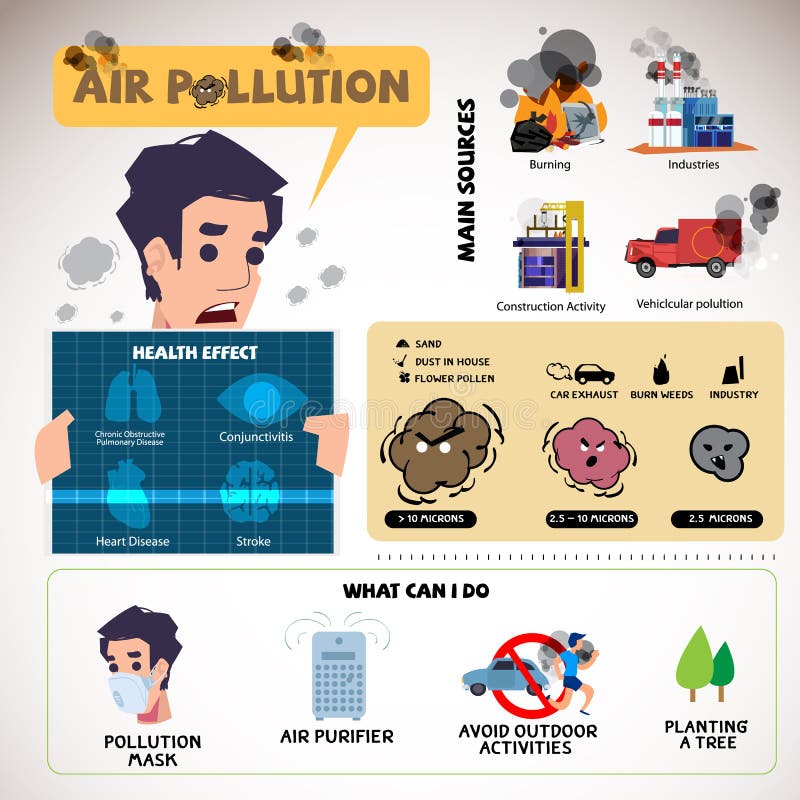
Air pollution solutions are not just a necessity but a pressing priority, especially in cities like Delhi where smog and unhealthy air quality have become commonplace. With the alarming rise in pollution levels, innovative pollution control strategies are essential to ensure the health and well-being of residents. Recent developments indicate that 33 initiatives aimed at air quality improvement have advanced to the trial phase, demonstrating a commitment to environmental solutions that can make a significant difference. The Delhi government’s clean air initiative is a bold step towards identifying effective methods to tackle this urgent issue. By harnessing these innovative solutions, we can pave the way for a cleaner, healthier future for urban areas around the globe.
Addressing the challenges posed by atmospheric contaminants, or airborne pollutants, requires a multifaceted approach that incorporates various remediation tactics. Urban environments, especially those suffering from severe air quality deterioration, are now exploring a range of methodologies to enhance the atmosphere and safeguard public health. Multiple frameworks aimed at mitigating air toxicity are under consideration, highlighting the city’s proactive stance in combating this environmental crisis. As metropolitan regions strive for cleaner air, similar efforts globally call for sustained action and investment in sustainable practices. The pursuit of effective measures to improve urban air safety is no longer an option but an imperative, rooted in the need to protect future generations.
Innovative Air Pollution Solutions for Delhi
Delhi has been grappling with severe air pollution, especially during the winter months when smog envelops the city. In response, the Delhi government has launched a challenge that has led to the development of 33 innovative solutions aimed at enhancing air quality. This initiative recognizes the urgent need for effective pollution control strategies that can be tailored to the unique environmental challenges facing Delhi. From technological innovations to community-driven initiatives, these solutions are central to improving air quality in the region.
Among the 33 proposed solutions, several focus on integrating advanced technologies, such as air purification systems and pollution monitoring apps. Others emphasize grassroots efforts, encouraging citizens to partake in clean air initiatives, which foster community awareness about the impact of air pollution. By combining modern technology and community efforts, these strategies highlight a holistic approach to combat air pollution, ensuring that all stakeholders contribute to a sustained improvement in air quality.
Pollution Control Strategies to Mitigate Air Quality Issues
As the Delhi government evaluates the trial phase of these pollution control strategies, the emphasis is on evidence-based approaches that have shown promise in previous studies. Effective air quality improvement cannot be reached overnight; it requires consistent and coordinated actions from both governmental bodies and the general public. The integration of scientific data into policy-making is crucial in creating actionable solutions that address not just symptoms but root causes of air pollution.
Several existing strategies have already laid the groundwork for these new methods to be tested. For instance, increased vegetation and green spaces in urban planning can significantly reduce air pollution levels. Commitments to reduce vehicular emissions through public transportation initiatives reflect a growing recognition of the need for sustainable environmental solutions. By advancing these pollution control strategies, the focus remains on reversing the detrimental effects of past air pollution and safeguarding public health.
Community Engagement in Air Quality Improvement
Community engagement is a vital component of any comprehensive approach to air quality improvement in Delhi. The challenge set by the Delhi government not only invites technological solutions but also calls for community-driven activities that promote awareness and education about air pollution. Through workshops and local campaigns, residents can become active participants in reducing pollution in their neighborhoods, fostering a sense of responsibility towards the environment.
By empowering communities to lead clean air initiatives, the city can leverage local knowledge and resources to devise context-specific solutions. These gatherings serve as platforms for discussing air quality challenges and collaborative problem-solving. Engaging youth in environmental activism also creates future leaders who prioritize sustainability, thereby ensuring long-term advocacy for cleaner air in Delhi.
Long-term Environmental Solutions for Urban Air Quality
The impact of air pollution in urban areas is profound, making the search for long-term environmental solutions crucial for cities like Delhi. With the recent advancements in trials for 33 air pollution solutions, the focus is not merely on immediate fixes but on sustainable practices that can be implemented citywide. Initiatives will likely involve policy changes that encourage cleaner energy usage and stricter emissions regulations for industries.
In addition to policy changes, promoting the use of renewable energy sources is essential for reducing reliance on fossil fuels. Solar parks and wind energy projects are being considered not only to reduce emissions but to transition Delhi into a greener future. These efforts, aligned with the strategies being trialed, highlight a significant pivot towards holistic environmental planning aimed at achieving lasting improvements in air quality.
Technological Innovations Tackling Delhi Air Pollution
The integration of technology in the battle against air pollution has become a core element of the solutions being trialed in Delhi. From advanced air quality monitoring systems to innovative purification technologies, these advancements aim to provide real-time data and efficient responses to pollution spikes. Smart sensors deployed throughout the city will help track pollution levels and identify hotspots, enabling quicker governmental action to mitigate those areas.
Moreover, app development that connects citizens with pollution data empowers individuals to make informed choices about their daily activities. By promoting transparency in air quality monitoring, communities can understand pollution trends and significantly contribute to cleaner air strategies. Ultimately, technological innovations not only serve as a direct response to air pollution but also as tools for fostering public engagement in air quality management.
The Role of Policy in Air Quality Improvement
Effective policy-making serves as the backbone for implementing the newly proposed air pollution solutions in Delhi. The challenge put forth by the Delhi government emphasizes the importance of institutional support in ensuring that successful trial solutions transition into long-term practices. Policymakers are tasked with translating the insights gained from these trials into actionable regulations that effectively address the unique pollution sources prevalent in urban environments.
Moreover, adaptive policies that can respond to the evolving nature of pollution sources will likely foster more agile responses in addressing air quality issues. This includes regular assessments of airborne pollutants and modifications to strategies based on real-world results. By creating a supportive policy framework, Delhi can ensure that its fight against air pollution is not only reactive but also proactive, continually promoting improvements in air quality.
Raising Awareness: The Importance of Public Education
Public education is critical in fostering awareness about air pollution and its detrimental effects, making it an essential component of the solutions being tested in Delhi. Workshops, community forums, and educational campaigns can inform citizens about the sources of air pollution and the various measures they can take to mitigate its impact. By empowering residents through knowledge, the city can promote healthier practices that contribute to the overall improvement of air quality.
Furthermore, educational programs targeting schools are designed to instill environmental consciousness in the younger population. Encouraging students to participate in clean air initiatives not only fosters a sense of responsibility but also cultivates a generation that values sustainability. As awareness increases, collective efforts can emerge, leading to significant strides towards resolving the air pollution crisis in Delhi.
Collaborative Efforts for Sustainable Air Quality Solutions
Collaboration between various stakeholders is essential for developing sustainable air quality solutions in Delhi. The involvement of government agencies, non-profit organizations, and private sector partnerships brings diverse expertise and resources to the table. This multi-faceted approach ensures that a wide range of perspectives is considered when addressing the complex issue of air pollution, ultimately resulting in more effective strategies.
Through collective action, stakeholders can also share best practices and lessons learned from their experiences with pollution control strategies. This collaborative network fosters innovation and accelerates the implementation of successful tactics. Whether through funding research projects or launching community clean air initiatives, the synergy created by these partnerships is fundamental to achieving lasting improvements in Delhi’s air quality.
Evaluating the Impact of Air Quality Improvement Efforts
As the trial phase of the 33 air pollution solutions progresses, evaluating the impact of these efforts will be crucial in determining their effectiveness. A robust evaluation framework will help assess not only the immediate outcomes of deployed strategies but also their long-term sustainability. Such assessments will involve analyzing air quality data, public health indicators, and community engagement levels to provide a holistic view of how these solutions contribute to improved air quality.
Feedback from citizens will also play a pivotal role in the evaluation process. Engaging the public in discussions around the results of air quality improvement efforts will enhance transparency and accountability. By sharing findings and garnering community insights, policymakers can refine existing solutions or pivot towards new strategies, ensuring that ongoing efforts in combating Delhi’s air pollution meet the needs of the population effectively.
Frequently Asked Questions
What are some effective air pollution solutions currently under trial in Delhi?
As part of a clean air initiative, the Delhi government has advanced 33 pollution control strategies to the trial phase. These environmental solutions aim to improve air quality in the city by testing innovative approaches to reduce emissions, enhance monitoring systems, and promote cleaner technologies. The findings from these trials could lead to more effective air pollution solutions that can be implemented citywide.
| Solution Number | Description | Status |
|---|---|---|
| 1 | Implementation of stricter emission standards for vehicles | Trial phase initiated. |
| 2 | Expansion of green spaces within urban areas | Trial phase initiated. |
| 3 | Improved waste management systems | Trial phase initiated. |
| 4 | Promotion of public transport options to reduce vehicular pollution | Trial phase initiated. |
| 5 | Implementation of air quality monitoring systems | Trial phase initiated. |
Summary
Air pollution solutions are becoming more crucial as cities like Delhi continue to struggle with worsening air quality. In a proactive effort, the Delhi government has moved forward with 33 innovative air pollution solutions that have now entered the trial phase. These solutions encompass a wide variety of strategies aimed at reducing emissions, increasing green spaces, and enhancing public transportation, among others. The overarching goal of these initiatives is to create a cleaner and healthier environment for residents by effectively tackling the multifaceted challenges posed by air pollution. Through these trials, the government aims to identify the most effective measures to maintain sustainable air quality levels in the long term.