

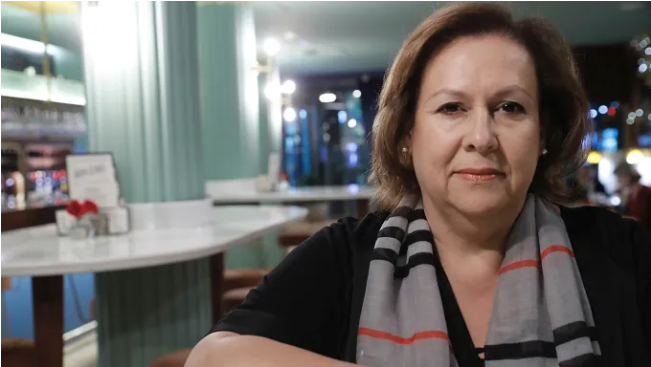
Maria Victoria Henao, the wife of notorious drug lord Pablo Escobar, is a figure marked by both love and tragedy as she navigated life entwined with the infamous ‘King of Cocaine.’ Their relationship began when Maria was just a young girl, captivated by the charisma of a man who would later command a criminal empire that shaped the Colombian drug trade. As Pablo Escobar’s partner, Maria experienced the high life amid luxury and peril, yet behind the opulence, she faced the haunting reality of being tied to one of history’s most infamous criminals. While much of the world remembers Pablo for his devastating impact and legacy, Maria shares her story in her biography, shedding light on the complexities of love entangled with violence. This exploration of Maria Henao’s life illustrates how she became much more than just Pablo Escobar’s wife—she emerged as a resilient woman finding her path in the shadows of her husband’s infamy.
The story of Maria Henao, once a teenage bride to the powerful and feared kingpin of the Medellín Cartel, paints a vivid picture of a life marked by both splendor and suffering. As a prominent figure in the underworld, the life of the drug lord and his family was a blend of extremes, thrusting Maria into a world dominated by wealth and chaos. Following the tragic demise of her spouse, she was forced to reinvent herself and forge her own identity away from the legacy of crime that haunted them. With a unique perspective on the trials faced by those closest to notorious criminals, Maria’s experience exemplifies the impact of the Colombian drug trade on family dynamics and personal growth. Her narrative reveals insights into the struggles of moving past a life overshadowed by her husband’s profound notoriety.
Maria Victoria Henao: The Silent Observer of Pablo Escobar’s Empire
Maria Victoria Henao spent over two decades of her life alongside one of the world’s most infamous drug lords, Pablo Escobar. Known as the ‘King of Cocaine’, Escobar’s reign over the Colombian drug trade brought both immense wealth and grave consequences. Yet, for Maria, he was more than just a powerful figure; he was a husband and a provider. Living in a world filled with extravagance, from lavish private jets to opulent mansions, Maria played a silent role in the cartels’ rise and eventual downfall, embodying the complexities of life married to a man infamous for his brutality and charm. While many viewed her as merely an accessory to Escobar’s deeds, her story unveils a woman who was intricately linked to the operations of a criminal empire that produced billions.
As the years passed, Maria became acutely aware of the double-edged sword that was her lifestyle; champagne bubbles and designer gowns stood in stark contrast to the violence and terror that unfolded at the hands of Pablo’s empire. She witnessed first-hand the operations that shaped the Colombian drug trade, pero also felt the implications that came with such wealth. Her loyalty and love for Pablo were tested repeatedly; from secret affairs to the shocking realities of his dealings, Maria felt like she was in a gilded cage—surrounded by luxury yet trapped by the very man she adored.
Navigating Life After Pablo Escobar: Maria’s Journey Through Tragedy
The assassination of Pablo Escobar in 1993 marked the end of an era, both for his criminal empire and for Maria Victoria Henao. Suddenly, she found herself stripped of the lavish lifestyle she had become accustomed to, thrust into a life of uncertainty and danger. Widowed at the age of 32, not only was Maria faced with the grief of losing her husband, but she also had to navigate the threats that loomed over her and her children as targets of those who might seek revenge or exploit their connection to the infamous kingpin. This shift forced Maria to summon a strength she perhaps didn’t know she had as she began her life once more, this time in the shadows of her past.
Maria’s resilience propelled her to seek an anonymous existence in Argentina, all while grappling with her identity as Pablo Escobar’s widow. In contrast to the glamorous persona she had displayed during his reign, Maria now had to contend with public perception and protect her family’s safety. Her 2018 memoir vividly recounts her tumultuous life—filled with the tribulations of being involved with an infamous figure while recognizing the complicated love she had for a man who both adored and endangered her. Maria’s journey is a testament not only to survival but also to the challenges faced by those who loved a man like Pablo Escobar.
Understanding the Enigma of Maria Victoria Henao: Love and Loyalty
Maria Victoria Henao’s life reminds us of the complexities of loyalty and love entwined with darkness. As the wife of Pablo Escobar, she was not merely a bystander but played an integral role in the domestic life of a drug lord. Despite the glamor associated with her status, Maria endured immense emotional turmoil. Her unwavering loyalty was not just a product of love; it was also born from fear and dependency instilled by her husband’s fearsome persona. The dichotomy of her existence—as a devoted wife amidst the chaos of crime—raises questions about the psyche of those bonded to notorious figures in the world of drug trafficking.
Maria’s life was a stark illustration of how love can cloud judgment and bind individuals to perilous relationships. Her affection and support for Pablo Escobar persisted even in the face of betrayal and his indiscretions, which included multiple affairs throughout their marriage. This loyalty persisted, suggesting a deeper need for love and companionship that transcended the egregious actions of her husband. As she reflects on her life in Argentina today, the narrative provides an opportunity to explore not just the legacy of Pablo Escobar, but also the profound impacts on those who loved him.
A Glimpse Into Maria Henao’s Life in Argentina: Anonymity or Freedom?
After the tumultuous fall of Pablo Escobar, Maria Victoria Henao carved out a new life in Argentina, choosing a path steeped in anonymity. While many would consider her escapade to a relatively quiet existence a form of freedom, for Maria, it became a double-edged sword. Even in the shadows, the weight of her past loomed large; the name ‘Henao’ continues to echo in conversations surrounding the infamous Colombian drug trade. Living under a new identity, she manages to maintain a low profile, yet the complexities of her past remain intertwined with her present, marking her as an indelible part of a narrative larger than herself.
The anonymity, however, does not erase the memories of the opulence and the dangers that defined her life with Escobar. In her memoir, Maria explores the dichotomy of feeling liberated yet restrained within the confines of society’s expectations of her. In a friend circle devoid of the elite status she once knew, she faces the reality of rebuilding her identity as ‘Maria’ rather than ‘Pablo’s wife.’ This new chapter reflects a profound transformation, highlighting her triumphs as she rises above the chaos of her previous life while also acknowledging the deep emotional scars left by a life intertwined with one of history’s most notorious drug lords.
Exploring Maria Victoria’s Memoir: Insights into a Life with Pablo Escobar
In 2018, Maria Victoria Henao’s memoir offered readers a rare and deeply personal glimpse into her tumultuous life alongside Pablo Escobar. Through her narrative, readers were taken on an intimate journey, exploring not only her relationship with the man hailed as the ‘King of Cocaine’ but also the conflicting emotions that characterized her existence. The memoir serves as a raw account of a woman who oscillated between love and fear, highlighting the complexity of her feelings for Pablo amid his criminal empire’s rise and fall. By detailing her experiences as both a devoted partner and an unwitting participant in his legacy, Maria seeks to reshape the narrative surrounding her identity.
Maria’s book is not merely a recount of a life lived in the shadows of infamy; it serves as a critique of the values instilled by her upbringing, revealing how these shaped her perceptions of loyalty and love. In her narrative, she touches upon moments of personal turmoil—betrayals, fears, and joys—that are universally relatable, allowing readers to connect with her story on a human level. Her reflections echo the voices of many women who find themselves in similar circumstances, challenging societal norms and expectations while navigating love, sacrifice, and survival, thus painting her as more than just Pablo Escobar’s wife but as a woman forging her own path.
The Legacy of Pablo Escobar: How Maria Henao Continues to Navigate the Shadows
Even years after Pablo Escobar’s death, his legacy continues to influence the world, and Maria Victoria Henao remains a significant figure in discussions pertaining to his life and actions. Known as one of the most notorious drug lords in history, Pablo’s impact on the Colombian drug trade and society at large is a complex tapestry of wealth, power, violence, and human suffering. Through her past association, Maria herself becomes a symbol of the collateral damage inflicted by Pablo’s empire; her life serves as a reminder of the personal costs of interconnected lives unbound by crime and love.
As she maneuvers through life in Argentina, Maria reflects on her past not with sadness but with an understanding of the realities she endured. This awareness of the consequences of Pablo’s reign extends beyond her personal life, as she navigates the perceptions attached to her identity. In public discourse, she doesn’t shy away from recounting her experiences, making her a critical voice in the conversation surrounding one of the most infamous figures of the drug trade, all while striving to build a life distanced from the shadows of her past.
The Intersection of Femininity and Power: Maria’s Role in Escobar’s World
Maria Victoria Henao’s position in Pablo Escobar’s world offers a unique perspective on the intersection of femininity and power. While often relegated to the traditional role of a supportive wife, Maria’s experiences reveal a dichotomy between the power structures in her relationship and her own agency. Surrounded by violence and corruption, she negotiated her survival through the intricate dynamics of her marriage—decorating rooms with riches yet dancing among the shadows of danger. Maria represents the often-overlooked role women play in the narratives of power, choice, and dependence, challenging the stereotypical image of a mere ‘wife’ of a drug lord.
The nuances of her character extend to her navigation of familial loyalties and societal expectations. While she portrayed a partner to Pablo, often caught up in the allure of wealth, her resilience becomes evident in her ability to endure the fallout of his criminality. This complex portrayal not only calls attention to the factors that bound her to Pablo but also highlights her strength in maintaining her identity amidst chaos. Maria Victoria’s story is one of defiance, reflecting how women in perilous circumstances can exercise agency while wrestling with the emotional bonds that entwine them with power.
Maria Victoria Henao: A Complex Portrait Beyond the Drug Trade
Maria Victoria Henao’s life transcends the boundaries often attributed to women associated with the drug trade. Her biography is a testament to the intricate ties between love, power, and survival in a realm marked by violence and celebrity. Known primarily as the wife of Pablo Escobar, she embodies a narrative that challenges simplifications surrounding her life. Instead of solely representing an extension of her husband’s legacy, Maria’s story sheds light on the emotional and psychological depth underpinning her experiences as a child bride thrown into a world of drug lords and excess. Each aspect of her journey provides layers that contribute to a broader understanding of personal identity amidst adversity.
In many ways, Maria’s tale captures the complications faced by women who feel trapped by their circumstances but are determined to forge their own identities. Approaching her past, Maria demonstrates an unwavering belief in her worth, questioning the societal expectations placed on her as a widow of a notorious figure. Her biography offers an exploration of how the narratives constructed by society often overlook the complexities of individuals’ lives, pushing us to appreciate the intricacies in the tales of those like Maria, who are much more than their associations with infamous figures.
Frequently Asked Questions
What was life like for Maria Victoria Henao, the wife of Pablo Escobar?
Maria Victoria Henao, as the wife of Pablo Escobar, experienced a life filled with both luxury and turmoil. Initially, her teenage years were marked by the glamour of being married to one of the most infamous drug lords in history, with access to private jets and lavish homes. However, this luxurious lifestyle was coupled with intense emotional distress, due to Pablo’s infidelities and the dangers associated with his criminal activities. After Pablo’s death in 1993, Maria faced the challenges of widowhood and raising their children while living under constant scrutiny.
| Key Points |
|---|
| Maria Victoria Henao was married to Pablo Escobar, the infamous drug lord known as the ‘King of Cocaine’. |
| Their relationship began in 1973 when Maria was only 12 years old, and Pablo was 23, creating a significant age difference and a controversial love story. |
| Maria’s early life was marred by the challenges of being a child bride, including a secret abortion at age 14 after becoming pregnant. |
| Living in luxury came with a price; Maria had to accept Pablo’s criminal behaviors and infidelities, living in a ‘gilded cage’. |
| Pablo’s death in 1993 left Maria a widow at 32, prompting a life of anonymity to protect her children from escalating threats. |
| Despite a tumultuous past, Maria reflected on her life with Pablo positively in her memoir, expressing that he made her feel valued, even as he caused widespread chaos. |
Summary
Maria Victoria Henao, the wife of Pablo Escobar, stands as a compelling figure shaped by the love and complexities of a notorious life alongside a drug lord. From their innocent beginnings in Colombia to the unraveling of their marriage under the weight of infidelity and criminality, Maria’s story is a poignant exploration of loyalty, fear, and survival. After a life spent in the shadows of a powerful man, she emerged to tell her story with no regrets, emphasizing the emotional dichotomy of her experiences. Today, she lives quietly in Argentina, reflecting on a past intertwined with her husband’s legacy, which continues to capture public intrigue.



























