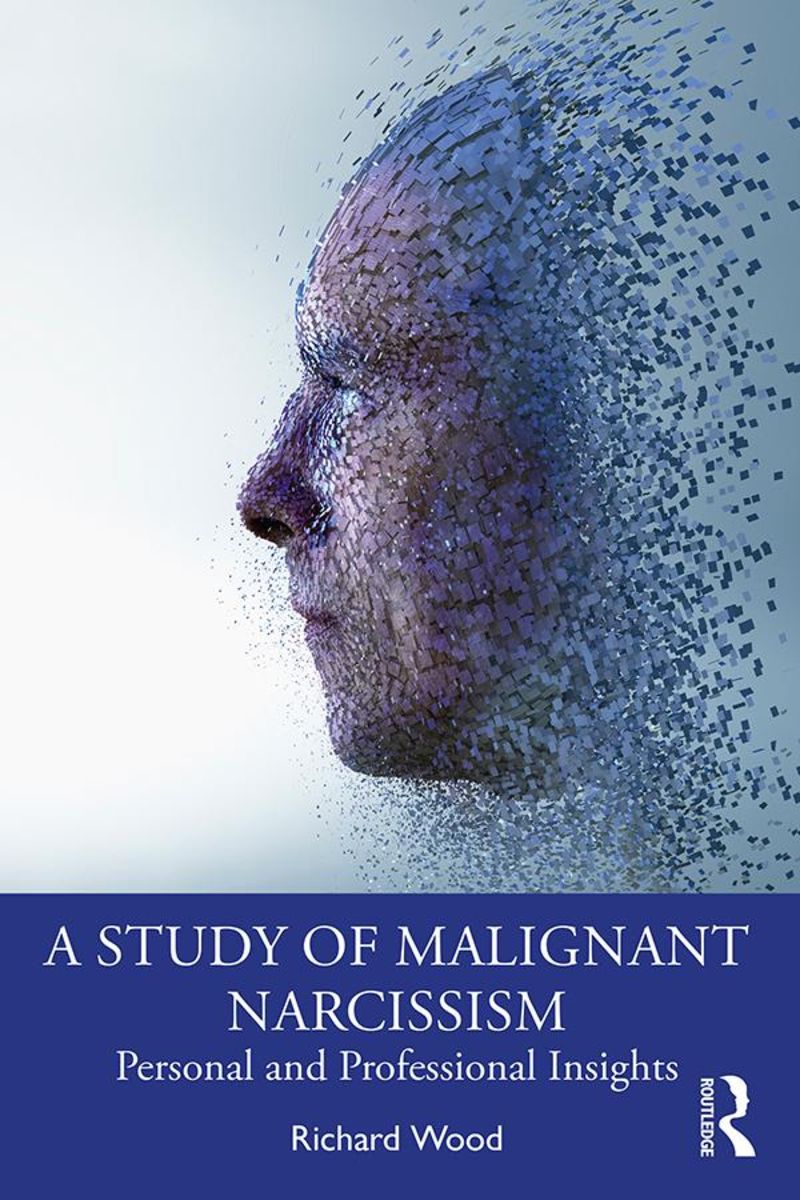
Narcissism in relationships often conjures images of turmoil and heartache, but new research reveals that this psychological trait may have a more nuanced impact than previously thought. A recent study conducted by Michigan State University highlights the complexities surrounding narcissistic traits, particularly their effects on relationship satisfaction. While many believe that narcissistic partners are inherently damaging, the findings suggest that only narcissistic rivalry correlates with lower satisfaction in romantic partnerships, contradicting the traditional narrative. Surprisingly, traits associated with narcissistic admiration showed no significant negative effects on partners, adding another layer to the conversation about narcissism in relationships. As we delve deeper into the interplay of personal dynamics and psychological traits, it becomes evident that understanding these behaviors is crucial for fostering healthy connections.
When we discuss the presence of excessive self-focus and entitlement in romantic partnerships, commonly referred to as narcissism, it’s essential to consider the many facets of this personality trait. Terms like self-obsession, grandiosity, and inflated self-image capture the essence of how these traits manifest in relationships, potentially leading to conflict and dissatisfaction. However, insights from contemporary research reveal that not all types of self-admiration or competitive tendencies—often categorized under narcissistic admiration and narcissistic rivalry—yield the same relationship outcomes. This invites a recognition of the variable nature of self-centered behavior and its complicated role in intimacy dynamics. Exploring these alternative expressions of narcissism allows for a more comprehensive understanding of their impacts on the fulfillment and emotional well-being of both partners.
The Dichotomy of Narcissistic Traits in Relationships
Narcissistic traits can create a fascinating yet troubling dynamic in relationships. The contrasting nature of narcissistic admiration and rivalry plays a crucial role in understanding the implications for relationship satisfaction. On one hand, narcissistic admiration can initially enhance a partner’s self-esteem, fostering a sense of specialness and validation. This form of narcissism often manifests as charm and charisma, allowing for potentially deep connections during early relationship stages. However, as the relationship progresses, the fleeting nature of these traits can lead to an existential questioning of the partner’s worth, making it a complex game of highs and lows.
In contrast, narcissistic rivalry tends to introduce friction and dissatisfaction within the relationship. Partners with pronounced narcissistic rivalry are often competitive, seeking validation through comparison rather than mutual support. This leads to conflicts that erode trust and create a hostile environment for emotional connection. The study from Michigan State University emphasizes that while admiration can foster short-term bonding, rivalry consistently detracts from a couple’s overall relationship satisfaction. This suggests that caring deeply for a narcissistic partner necessitates navigating between their conflicting traits to maintain a healthy equilibrium.
Understanding Relationship Satisfaction Amid Narcissism
The concept of relationship satisfaction within the context of narcissism reveals the intricate balance between self-interest and partnership dynamics. Research indicates that while narcissistic individuals may provide initial excitement and attraction, their long-term impact can be detrimental, particularly when rivalry comes into play. As partners navigate their emotional needs, the unyielding need for validation can create imbalances; one partner may feel perpetually inadequate compared to the narcissistic counterpart. This discrepancy can lead to a decline in satisfaction, as the relationship dynamic becomes less about mutual support and advancement.
Moreover, this complexity challenges the stereotypical narrative of narcissism being inherently toxic. The Michigan State University study shows that in the early stages of a relationship, narcissistic traits may not hinder satisfaction and may even enhance it for some couples. This nuanced understanding allows for deeper insights into how partners with varying levels of narcissism can navigate their relationship. Considering both narcissistic admiration and rivalry sheds light on the emotional landscapes couples must traverse, underscoring the necessity of open communication and mutual understanding to foster long-term relational health.
The Longevity of Narcissism in Romantic Relationships
Navigating through the phases of a romantic relationship with a narcissistic partner unfurls layers of complexity that may not surface until the honeymoon period ends. Research indicates that the initial allure of narcissistic traits might sustain a couple’s interest over time, yet the question of longevity remains. Partners at the beginning of their relationship may overlook potential red flags associated with narcissistic behaviors, as the charm of admiration overshadows the rivalries growing beneath the surface. Yet, as partners adjust to each other’s personalities, the positive attributes associated with narcissistic admiration can wane, exposing relational vulnerabilities that may have been previously unnoticed.
The eventual decline in relationship satisfaction often stems from a shifting dynamic where narcissistic rivalry begins to dominate the partnership. This not only affects the partner’s self-esteem but also alters how each individual perceives the other’s emotional needs. The research highlights that, despite the apparent stability observed in some couples, many face a reckoning with reality as underlying issues come to light. Thus, the study suggests maintaining a keen awareness of these evolving dynamics as critical for nurturing healthy relationships amidst the complexities of narcissism.
The Impact of Narcissism on Partners’ Self-Esteem
Understanding how narcissism affects partners’ self-esteem is paramount in assessing relationship happiness. Individuals involved with narcissistic partners often face challenges in their self-worth, frequently comparing themselves to the inflated self-image that narcissists project. This can result in a cycle of emotional distress where a partner feels inadequate or overshadowed. The Michigan State University study illuminates the notion that narcissists can systematically undermine their partner’s self-confidence, fostering a dependent dynamic where validation is primarily sought from the narcissistic partner rather than from mutual appreciation.
As these dynamics unfold, the relationship can begin to tilt away from mutual support towards a more demanding environment that prioritizes the narcissist’s needs. The insidious nature of this influence means that partners may gradually resign themselves to feeling less than worthy, ultimately affecting their overall satisfaction within the relationship. Understanding this correlation between narcissistic traits and diminished self-esteem highlights the need for partners to engage in self-reflection and seek platforms for self-affirmation beyond their relationships.
Navigating Narcissistic Rivalry and Its Consequences
The ramifications of narcissistic rivalry within a relationship extend far beyond immediate conflicts. Individuals entrenched in such rivalries often find themselves trapped in a relentless cycle of comparison and competition that engulfs the emotional landscape of their relationships. This study emphasizes that such rivalry doesn’t merely reduce relationship satisfaction but can also exacerbate existing tensions, leading to chronic dissatisfaction where partners constantly vie for psychological superiority. As partners engage in this rivalry, trust may erode, positioning the relationship on shaky ground.
Moreover, the competitive spirit that characterizes narcissistic rivalry can hinder effective communication, further complicating the dynamics at play. Couples may find it increasingly difficult to express their feelings openly or address conflicts healthily, leading to an environment laden with misunderstandings. The destructive nature of these rivalries reflects the importance of recognizing and addressing the traits that contribute to disruption. As the study suggests, understanding and addressing narcissistic rivalry in relationships can be pivotal to rekindling satisfaction and harmony.
The Role of Communication in Managing Narcissistic Relationships
Effective communication emerges as a crucial tool in managing the complexities inherent in relationships influenced by narcissism. Couples are often tasked with navigating the emotional labyrinth created by narcissistic traits, requiring consistent dialogue to bridge gaps in understanding. The study implies that fostering an atmosphere of open communication can mitigate some of the adverse effects tied to narcissistic rivalry. By openly discussing feelings and expectations, partners can work towards recalibrating their emotional connection, benefiting from greater clarity and reduced misunderstandings.
Moreover, consistent communication not only enhances relationship satisfaction but also aids in identifying detrimental patterns before they escalate. The research underscores that narcissistic traits may manifest differently across various stages of relationships, making ongoing conversations essential. Partners can leverage these discussions to establish boundaries and affirmations that uplift both individuals, combating the negative impacts of narcissistic behaviors. This proactive approach can foster resilience against narcissism’s potential depressants, ultimately nurturing a more balanced and satisfying partnership.
Challenges of Loving a Narcissist
Loving a narcissist comes with its own set of unique challenges that often push the bounds of emotional endurance. Partners may initially experience euphoria, drawn in by the magnetic personality and charm often associated with narcissism. However, as the relationship deepens, disillusionment can set in, especially when faced with the more self-centered aspects of the narcissist’s personality. Partners frequently grapple with feelings of neglect and misunderstanding as they navigate through the self-absorbed tendencies exhibited by their narcissistic counterparts, leading to potential emotional crises.
Moreover, these challenges underscore the importance of recognizing and accepting the nature of narcissistic behavior to maintain personal well-being. The study findings suggest that while narcissism may present an exhilarating façade, the underlying struggles will demand a resilient mindset from the partner. Understanding when to assert boundaries and seek individual fulfillment can be pivotal in countering the emotional turmoil that often accompanies relationships with narcissists. This awareness not only lays the groundwork for healthier interactions but also empowers partners to enhance their sense of self-worth despite the complexities.
Healing from Narcissistic Relationships
Recovering from a relationship marked by narcissism requires introspection and healing, often presenting a challenging yet transformative journey. Partners leaving these dynamics must confront the emotional scars left behind, including issues related to self-esteem and identity. The Michigan State University study elucidates how narcissistic traits can wreak havoc on a partner’s self-image, making recovery paramount. Emphasizing self-care, therapy, and personal growth becomes vital in rebuilding a sense of self that may have been overshadowed by the narcissist’s influence.
In this healing process, it is crucial to foster a supportive environment that prioritizes self-compassion and freedom from judgment. Engaging in communities or support systems can provide the necessary uplift, offering insights and shared experiences from others who have traversed similar paths. The journey to recovery emphasizes empowering partners to reclaim their narratives, ensuring that the lessons learned from a narcissistic relationship foster resilience and fortitude in future interactions. This renewal prioritizes mental and emotional health, setting the stage for healthier future connections.
Frequently Asked Questions
How do narcissistic traits impact relationship satisfaction?
Narcissistic traits can significantly influence relationship satisfaction. A recent study from Michigan State University shows that while narcissistic rivalry typically lowers satisfaction for both partners, narcissistic admiration does not have a negative effect. This suggests that the presence of narcissistic traits in relationships can lead to complex dynamics, where individuals may initially feel fulfilled but could face challenges later on as jealousy and rivalry emerge.
| Aspect | Findings | Implications |
|---|---|---|
| Narcissism in Relationships | Impact varies based on the type of narcissism: admiration vs. rivalry. | Challenges the idea that narcissistic partners always lead to relationship decline. |
| Narcissistic Rivalry | Consistently linked to lower relationship satisfaction for both partners. | Indicates a potential turning point in satisfaction as relationship develops. |
| Narcissistic Admiration | No significant impact on relationship satisfaction. | Suggests that admiration may have a more positive influence than rivalry. |
| Study Background | Study tracked over 5,000 couples for up to six years. | Provides a more nuanced understanding of narcissism in romantic connections. |
Summary
Narcissism in relationships can present a complex landscape for couples. While common belief suggests that narcissistic partners inevitably lead to relational turmoil, recent studies from Michigan State University reveal a more intricate reality. The findings indicate that only traits associated with narcissistic rivalry threaten relationship satisfaction, while admirative narcissism does not negatively impact partners. This understanding prompts individuals to reconsider their perceptions of narcissists in romantic contexts, emphasizing the necessity to look beyond surface behaviors to grasp the deeper dynamics at play. Recognizing the dual nature of narcissism could help individuals navigate their relationships with greater clarity and resilience.