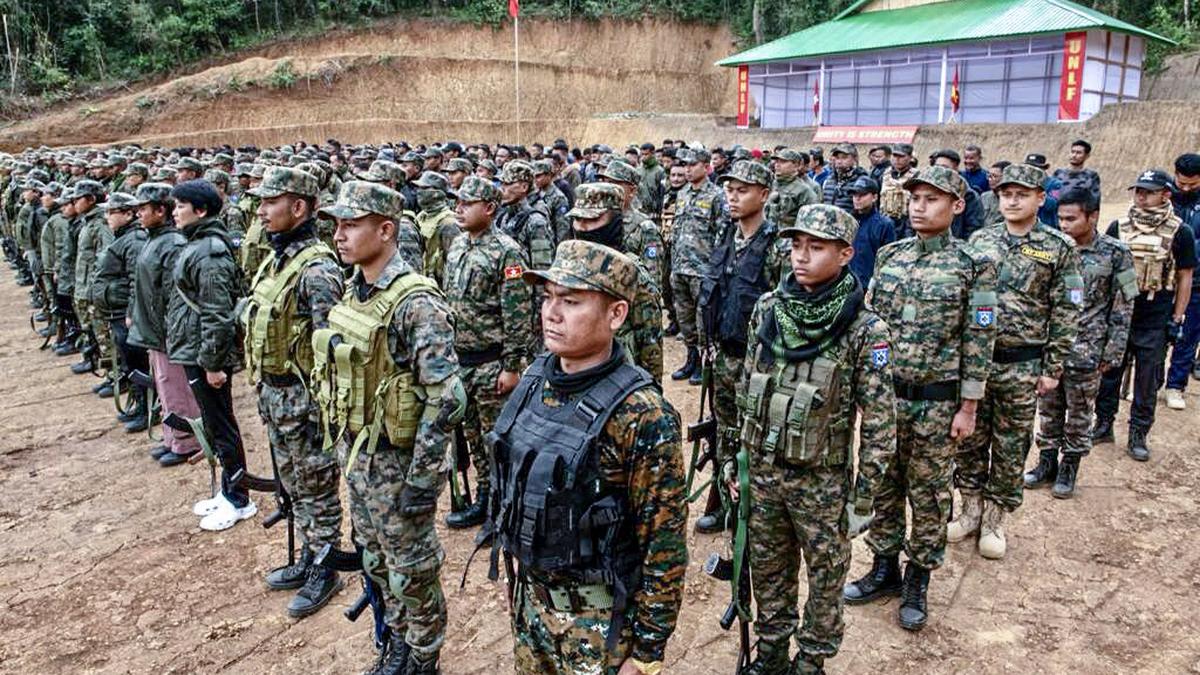
The ongoing Manipur proxy war has plunged the state into chaos, with its impact deeply felt among the diverse communities that inhabit this region. Since the onset of violence on May 3, 2023, the Meitei community has faced struggles, provoking responses from civil society organizations like COCOMI. The group asserts that the central government’s alleged role in this proxy war has exacerbated local tensions in Imphal, leading to numerous Kuki militants attacks against unarmed citizens. Amidst these conflicts, COCOMI has vocalized its demands for greater autonomy and security for the Meitei populace, urging government officials to prioritize the protection of cultural identities. As the situation grows more volatile, understanding the dynamics of the Manipur conflict becomes essential for grasping the broader implications for peace and stability in the region.
In the heart of the northeastern state of India, the turmoil surrounding the proxy war in Manipur reveals a complex interplay of ethnic tensions, political strife, and community struggles. Local discord has intensified since May 3, 2023, igniting fierce confrontations that have seen armed Kuki groups assaulting civilians. Organizations such as COCOMI advocate for the rights of the Meitei population, reflecting the urgent need for dialogue amidst the ongoing violence. From grave accusations against the central government to the demand for decisive actions against perpetrators, the call for justice resonates strongly in Imphal. Understanding this multifaceted situation is critical as it underscores the dire quest for stability and lasting peace in Manipur.
Understanding the Manipur Proxy War and Its Impact
The conflict in Manipur has escalated into what many are now describing as a proxy war, particularly following the violence that erupted on May 3, 2023. The proxy war, characterized by the rising tensions between various communities, is particularly detrimental to the Meitei community, which feels increasingly endangered amidst growing Kuki militant activities. The people of Imphal, especially the Meiteis, have voiced their discontent, accusing the central government of exacerbating the situation by turning a blind eye to the armed incursions led by Kuki militants. This conflict not only threatens the peace in Manipur but also jeopardizes the social fabric that has historically fostered coexistence among its diverse communities.
As COCOMI convenor YK Dhiren pointed out, the state’s struggles against the encroachments of Kuki militants are emblematic of a broader struggle for survival. The call for assistance from the government to protect the rights and identity of the Meitei people has become increasingly desperate. Such hardships reflect the dire need for robust governance and a decisive policy response to restore order and dignity for all residents of Manipur, ensuring that the aspirations and safety of the Meitei community are prioritized.
Central to the ongoing crisis in Manipur is the demand for state accountability in addressing the rights and security of all communities involved. COCOMI’s stance, which includes a total boycott of Bharatiya Janata Party (BJP) activities, highlights the growing discontent among the citizenry about the perceived indifference from political leaders. With Kuki militants perpetrating violence, many residents of Imphal find themselves trapped in an escalating cycle of fear and instability. If significant actions are not taken to curb these attacks, the prospects for peace in Manipur will diminish, leaving communities in perpetual conflict and insecurity.
The implications of this proxy war extend beyond immediate violence; it raises questions about the long-term viability of political systems in Manipur. As various factions vie for power and recognition, unless inclusive and effective governance is established, the region is likely to continue facing unrest. Therefore, it is crucial for the voices of affected communities, particularly the Meitei residents, to be heard and prioritized in the discussions aimed at moving toward resolution.
COCOMI’s Demands: A Call for Justice and Accountability
In light of the ongoing violence by Kuki militants, COCOMI has made significant demands aimed at restoring justice and ensuring accountability. At the forefront is the call for a military crackdown, as the misuse of political power has led to a perception of helplessness among the Meitei community. The people of Manipur are increasingly frustrated with what they see as a lack of protective measures against Kuki militant attacks, which have resulted in tragic losses, including the deaths of children. COCOMI is advocating for a forceful response to the actions of what they term the ‘proxy army,’ emphasizing that only through effective military intervention can peace be re-established im Imphal and beyond.
Moreover, COCOMI has requested a judicial inquiry into the recent killings of civilians during protests against the Kuki militants. These demands reflect a growing expectation among the people for the government to act decisively against those who threaten peace and societal stability. The testimony regarding the CRPF’s actions post-incident underscores a need for accountability for both state and central forces. The inquiry and subsequent actions could provide a crucial step toward healing the rifts within the community and restoring trust in governance.
The call for the resignation of the Chief Minister and Home Minister if they fail to fulfill these demands further illustrates the urgency of the situation. These requests are not merely political rhetoric; they echo the fundamental need for leaders who prioritize the security and welfare of their citizens above party allegiance or political maneuvering. The people of Manipur, particularly the Meitei community, are looking for leaders who will place their safety and rights front and center, rather than allowing them to be mere statistics in this complex and volatile landscape. COCOMI’s demands, therefore, represent a pivotal moment for the residents of Manipur—a yearning for justice, stability, and a future free from the shadow of violence.
The Role of the State Government in Mitigating Tensions
The response of the state government in Manipur to the ongoing conflict has come under scrutiny as calls for reform and decisive action escalate. COCOMI has urged the government to adopt a robust stance against Kuki militia activities, arguing that the current apathetic approach fuels distrust among the Meitei community. The complexities of the Manipur conflict underscore the necessity for a government that not only recognizes but actively addresses the grievances of all communities. If the state fails to take definitive actions—such as military interventions to curb militia violence—the possibility of lasting peace will continue to dwindle, perpetuating a cycle of fear and resentment.
The tensions in Imphal serve as a reminder of the delicate balance required by the government to maintain peace in such a multi-ethnic society. Engaging in open dialogue with community leaders and addressing the root causes of unrest should take precedence over partisan politics. Only when the state government demonstrates an immediate commitment to safety and inclusivity can it hope to restore confidence among the citizens and secure lasting harmony across the diverse factions that inhabit Manipur.
Furthermore, the recent incidents, including the ambivalent handling of peace missions by government officials, demonstrate a need for transparency and accountability in leadership. The backlash against such actions, including the criticism following the killing of Tangkhul civilians, aptly illustrates the growing impatience of the Meitei community regarding government initiatives perceived as ineffectual. By prioritizing genuine engagement over superficial peace missions, the state government has the potential to mend fractured relationships and ensure a more stable environment where dialogues can take place.
Ultimately, the path forward for the Manipur state government must incorporate a comprehensive strategy that encompasses military, social, and political dimensions. Addressing the serious implications of the ongoing conflict requires that political officials stand firm and take decisive steps toward peace, setting an example for the entire region.
Exploring the Cultural Dimensions of the Manipur Conflict
The deeply rooted cultural identities of Manipur’s communities, particularly the Meitei and Kuki groups, play a significant role in shaping the narrative of the ongoing conflict. The Meitei people’s connection to their land and heritage is paramount, and any perceived encroachment on these values leads to heightened tensions. COCOMI’s advocacy for the recognition of the Meitei’s rights and identity underscores the broader struggle for cultural preservation amidst external pressures and violence from Kuki militants. Understanding these cultural dimensions is essential to comprehending the motivations and fears driving the conflict, which ultimately reflects the broader quest for dignity and recognition among the communities involved.
The identity struggles faced by the Meitei community, emphasized by their calls for support from the state and central governments, vividly illustrate the importance of addressing cultural grievances in any resolution efforts. The integration of traditional cultural practices and perspectives into conflict resolution processes could serve as a pathway to reconciliation, offering a means to heal the wounds inflicted by the ongoing violence and restore a sense of unity among Manipur’s diverse inhabitants.
Moreover, the resilience of cultural identity also plays a crucial role in the community’s response to the ongoing violence. The Meitei community’s call to safeguard their heritage serves as a powerful rallying point, shaping their collective identity in the face of adversity. COCOMI’s emphasis on cultural integrity demonstrates the need for political strategies that reflect and respect the diverse identities in Manipur. Ultimately, fostering dialogue that appreciates these cultural aspects is vital for defining a path forward that honors the historical complexities while seeking a unified future. This cultural lens is indispensable for understanding the depth of the conflict and the extensive implications it has on the lives of those caught in the crossfire.
Strategic Approaches to Achieving Peace in Manipur
In light of the complex and unresolved tensions in Manipur, exploring strategic approaches to achieving peace is essential. The entrenched conflicts, particularly those related to the struggles of the Meitei community, necessitate a multifaceted approach that goes beyond immediate military interventions. COCOMI’s advocacy for a comprehensive dialogue that involves all stakeholders may serve as a foundation for crafting sustainable peace agreements and lasting reconciliation. This process should include not only political leaders but also community representatives and civil society groups, ensuring that the voices of all factions are heard and integrated into the peace machinations.
Furthermore, it is crucial to facilitate grassroots initiatives that promote cultural understanding and cooperation among communities. Programs that encourage inter-community dialogue and collaborative projects can help bridge the divides that have been exacerbated by the proxy war. By focusing on mutual interests and shared goals, these initiatives can begin to dismantle the barriers that have led to distrust and hostility among the Meitei and Kuki groups, ultimately fostering a more harmonious coexistence.
In addition to fostering dialogue, strategic approaches must also address the underlying social and economic disparities that contribute to conflict. Investment in community development initiatives can enhance resilience among at-risk populations, particularly the Meitei community, who feel marginalized in the current political landscape. Economic opportunities that are inclusive and equitable can empower communities and mitigate the grievances that fuel tensions. By promoting shared prosperity, the potential for conflict diminishes, paving the way for a more stable and peaceful Manipur.
Ultimately, achieving peace in Manipur requires a commitment to transformative change that encompasses military, social, and economic facets. The collaborative efforts of the state government, civil society, and the communities themselves are essential in crafting a peaceful trajectory forward. The road may be long, but the endeavor to restore harmony in Manipur must be pursued with conviction and hope.
Frequently Asked Questions
What is the Manipur proxy war and how has it affected the Meitei community?
The Manipur proxy war refers to the ongoing conflict that erupted in Manipur on May 3, 2023, marked by heightened tensions and violence between communities, particularly involving Kuki militants and the Meitei community. COCOMI, a civil society group, has reported widespread suffering due to alleged assaults on Meitei civilians and has called for governmental intervention to safeguard their community against these attacks. The group highlights this proxy war as a tactic employed by the central government that harms local governance and social harmony, furthering the struggles faced by the Meitei community.
| Key Points | Details |
|---|---|
| Proxy War Initiation | Beginning on May 3, 2023, affecting citizens in Manipur. |
| COCOMI’s Role | A civil society platform calling for the protection of Manipur’s integrity and identity. |
| Government Demands | Pressure on the Indian government to cease actions against the Meitei community. |
| Accusations Against Central Government | COCOMI accused the government of instigating a proxy war. |
| Call for Boycott | A total boycott of all BJP activities was announced. |
| Security Forces’ Inaction | Allegations of security forces failing to protect civilians from Kuki militants. |
| Military Crackdown Demand | Demand for military action against the Kuki proxy army. |
| Judicial Inquiry | Call for investigation into the deaths of civilian protesters by CRPF. |
| Resignation Demands | Leadership should resign if they can’t ensure safety and justice. |
| Rejection of Peace Missions | Criticism of the Chief Minister’s peace initiatives after recent violence. |
Summary
The Manipur proxy war continues to produce significant social and political turmoil in the region, as highlighted by YK Dhiren from COCOMI. This conflict, reportedly instigated by the central government against the Meitei community, has led to a series of violent events and a demand for governmental accountability. Citizens are calling for military action to curb the escalating violence and to ensure justice for the victims of recent attacks. The need for a transparent judicial inquiry and decisive action from local leaders has never been more pronounced, as the people of Manipur seek a resolution to their ongoing struggles amidst allegations of governmental negligence. COCOMI’s efforts to unify civil society against this proxy war remain a crucial aspect of mobilizing community resistance and advocating for the protection of Manipur’s cultural and social fabric.