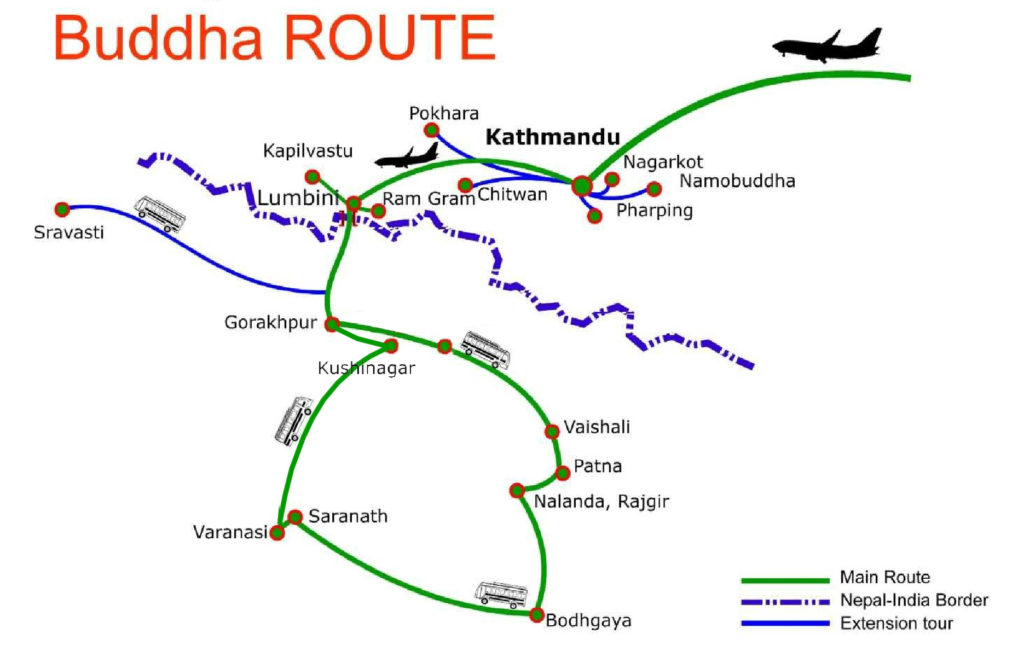
Women-led rural tourism is emerging as a transformative force, particularly in regions like Northeast India, where community involvement can foster sustainable tourism initiatives. By promoting cultural exchange, these women are not only preserving the rich heritage associated with the Buddhist circuit but also empowering local communities to thrive economically. Their role in highlighting indigenous crafts, traditions, and culinary practices offers travelers a deeper, more authentic experience of the Himalayan Buddhist belt. As tourism in this area grows, it presents a unique opportunity to connect with neighboring countries such as Nepal and Bhutan, thereby strengthening cultural ties. Through women-led initiatives, the potential for sustainable development in rural areas becomes a shared goal, significantly contributing to both local economies and global awareness of diverse cultural landscapes.
Women-driven tourism ventures, especially in rural settings, play a pivotal role in harnessing the potential of spiritual and heritage tourism along the Buddhist routes. These initiatives not only facilitate a meaningful cultural exchange between local communities and visitors but also contribute to the sustainable growth of the tourism sector. By highlighting their unique traditions and crafts, women in rural areas ensure that their voices are integral to narratives of the regional heritage. Furthermore, such enterprises help to fortify community resilience and promote economic opportunities while fostering connections across borders with regions rich in Buddhist history. Through the lens of empowerment, these rural tourism models stand as a beacon for holistic development in areas like Northeast India.
The Power of Women-led Rural Tourism in the Buddhist Circuit
Women-led rural tourism initiatives offer a transformative approach to revitalizing the Buddhist circuit in Northeast India. By harnessing the skills and traditions of local women, these initiatives not only create economic opportunities but also foster cultural exchange among diverse communities. The incorporation of women in tourism allows for the preservation of unique oral traditions, handicrafts, and regional cuisines, ensuring that the rich cultural heritage of the Buddhist Circuit is shared with a broader audience.
Additionally, by connecting Buddhist heritage sites across countries such as Nepal, Bhutan, and Sri Lanka, the women-led rural tourism model creates a platform for regional cooperation. This model emphasizes the importance of sustainable tourism practices that prioritize the environment and local culture, leading to empowered communities capable of sustaining their traditions while engaging with international visitors.
Cultural Exchange Through Tourism in Northeastern India
The significance of cultural exchange facilitated by tourism cannot be understated, especially in a region as culturally rich as Northeast India. Initiatives focusing on the Buddhist circuit not only promote tourism but also encourage dialogues among various cultures sharing similar spiritual beliefs. Through organized workshops and collaborative projects, stakeholders from India, Nepal, Bhutan, and beyond have the unique opportunity to learn from one another, further deepening mutual respect and understanding.
Moreover, the emphasis on cultural exchange supports the broader goals of sustainable tourism by ensuring that the economic benefits derived from tourism are shared with local communities. This approach helps to maintain the authenticity of the region’s cultural landscape, creating a more enriching experience for tourists while empowering locals and preserving their heritage.
Supporting Sustainable Development in Rural Communities
Sustainable development is at the forefront of discussions surrounding tourism in Northeast India, particularly in rural communities. By adopting sustainable tourism practices, the region can manage its natural resources effectively while promoting economic growth. Women-led rural tourism initiatives specifically target the empowerment of local communities, providing them with tools and skills necessary for active participation in the tourism sector.
By ensuring that tourism development aligns with the interests of local communities, the region can enhance its appeal to environmentally conscious travelers. This approach not only contributes to a thriving local economy but also supports environmental conservation efforts, making Northeast India a model for sustainable tourism development in similar rural areas around the world.
Empowering Local Communities Through Tourism Initiatives
The empowerment of local communities is essential for the long-term success of tourism initiatives in Northeast India. By prioritizing the engagement of women in tourism, there is a dual benefit of preserving cultural heritage while also generating income for families. This not only improves living standards but also instills a sense of pride and ownership in local traditions and crafts.
Moreover, when women lead these tourism initiatives, they often influence positive social change within their communities. These changes can include increased gender equality, improved health and education access, and the creation of networks that support one another. Such empowerment not only supports locals but also enriches the tourism experience for visitors, offering them authentic insights into the local culture and way of life.
Strengthening Regional Cooperation Around Buddhist Heritage
Strengthening regional cooperation among Buddhist heritage sites across the Himalayas is crucial for enhancing tourism in Northeast India. By working together, neighboring countries can develop comprehensive tourism strategies that promote shared Buddhist values and heritage. This collaborative approach can lead to the creation of itineraries that attract international tourists seeking spiritual and cultural enrichment.
The workshops and conferences organized to promote this cooperation emphasize the importance of connectivity and branding in the tourism sector. By uniting efforts, the hope is to not only share the beauty and depth of Buddhist traditions rooted in the region but also to cultivate a collaborative spirit that benefits all participating countries. This collaborative effort can result in a robust tourism infrastructure that enhances visitor experiences while preserving local cultures.
The Role of Skill Development in Tourism Growth
Skill development is an integral component of effective tourism growth, especially in rural communities where traditional practices dominate. In Northeast India, initiatives aimed at empowering women through skill development programs have shown great promise. These programs focus on equipping women with the necessary skills to participate in tourism-related activities, from guiding tourists to managing sustainable enterprises.
By investing in education and training for women in tourism, local communities can significantly increase their competitiveness in the market. This not only opens doors for economic growth but also fosters innovation and creativity in the way tourism experiences are crafted and delivered. As women take on more visible roles in tourism, they contribute to a narrative that enriches the overall tourism experience for visitors.
Buddhist Circuit as a Sustainable Tourism Model
The Buddhist circuit in Northeast India showcases a unique model of sustainable tourism that prioritizes environmental conservation and cultural preservation. The focus on women-led rural tourism initiatives makes this model even more compelling, as it demonstrates that economic growth can go hand in hand with cultural preservation. These initiatives educate visitors about the region’s rich cultural heritage while ensuring that local communities reap the benefits of tourism.
By positioning the Buddhist circuit as a sustainable tourism destination, stakeholders can draw attention to the importance of eco-friendly practices that respect local ecosystems. This sustainable model not only attracts tourists who are interested in responsible travel but also serves as an example for other regions aiming to develop similar tourism strategies. The emphasis on sustainability is a significant selling point for the Buddhist circuit, appealing to a growing demographic of conscious travelers.
Promoting Local Cuisine as a Tourist Attraction
Local cuisine is an essential aspect of any tourist destination, especially in the culturally diverse region of Northeast India. The promotion of indigenous cuisines, particularly through women-led initiatives, provides tourists with an authentic culinary experience that reflects the area’s heritage and traditions. By showcasing local dishes and cooking methods, women not only create opportunities for personal income but also highlight the rich cultural tapestry of their communities.
Moreover, integrating local cuisine into the tourism experience allows visitors to connect with the community on a deeper level. Food has a unique ability to tell stories and represent shared cultural heritage, which visitors cherish. By celebrating and promoting local culinary traditions, Northeast India can enhance its appeal as a tourism destination while ensuring that these culinary practices are preserved for future generations.
The Impact of Digital Promotion on Local Tourism
In today’s digital age, promoting local tourism through online platforms is more crucial than ever, especially for rural communities in Northeast India. The minister’s commitment to supporting digital promotion reflects a growing recognition that online visibility can significantly enhance tourism prospects. By utilizing social media, booking platforms, and tourism websites, local communities can showcase their unique offerings to a global audience.
Digital promotion not only reaches a wider audience but also empowers local entrepreneurs to tell their own stories. This engagement allows visitors to form connections with the places they plan to visit, creating a sense of anticipation and investment in their travel experience. By highlighting the role of women in the tourism sector and showcasing the authenticity of their offerings, digital strategies can inspire travelers to choose Northeast India as their destination.
Frequently Asked Questions
What role do women-led rural tourism initiatives play in the Buddhist circuit development?
Women-led rural tourism initiatives are pivotal in developing the Buddhist circuit as they promote cultural exchange and sustainable tourism. By engaging women from rural and tribal communities, these initiatives preserve local traditions and empower communities while attracting tourists interested in the rich Buddhist heritage of Northeast India.
How does women-led rural tourism contribute to sustainable tourism in Northeast India?
Women-led rural tourism contributes to sustainable tourism in Northeast India by creating local job opportunities, preserving cultural heritage, and ensuring environmental sustainability. These initiatives often involve traditional practices, promoting responsible travel experiences that benefit both tourists and local communities.
What benefits do women-led rural tourism initiatives provide to local communities?
Women-led rural tourism initiatives empower local communities by generating income, preserving cultural practices, and providing skill development opportunities. Their active participation enhances community resilience and promotes a stronger identity tied to their cultural heritage, particularly in regions like Northeast India.
How does women-led rural tourism facilitate cultural exchange in the Himalayan region?
Women-led rural tourism facilitates cultural exchange in the Himalayan region by enabling tourists to engage with local traditions, cuisines, and crafts. These exchanges foster mutual understanding and respect between visitors and hosts, enriching the travel experience while celebrating the rich Buddhist culture of areas like Arunachal Pradesh.
What initiatives are being taken to promote women-led rural tourism in the Buddhist circuit?
Initiatives to promote women-led rural tourism in the Buddhist circuit include skill development programs, micro-financing for women entrepreneurs, and infrastructure improvements. Governments and NGOs are collaborating to enhance connectivity between Buddhist sites across Northeast India and neighboring countries, ensuring that women-led initiatives are at the forefront of this development.
Why is the involvement of women crucial in promoting tourism along the Buddhist circuit?
The involvement of women is crucial in promoting tourism along the Buddhist circuit because they are key custodians of cultural practices, oral traditions, and local knowledge. Engaging women ensures that the tourism narrative is authentic and grounded in local heritage, which is essential for attracting culturally interested travelers.
How can tourists contribute to empowering women through rural tourism in Northeast India?
Tourists can contribute to empowering women through rural tourism in Northeast India by choosing women-led initiatives, participating in local experiences, and purchasing handicrafts. This support not only provides financial benefits to local women but also encourages the sustainability of cultural heritage.
What is the significance of the Buddhist circuit for women-led rural tourism?
The significance of the Buddhist circuit for women-led rural tourism lies in its potential to connect spiritual heritage with local economic development. By highlighting Buddhist sites across Northeast India, women-led initiatives can create unique travel experiences that enrich both the tourist experience and the lives of local women.
In what ways does the government support women in rural tourism initiatives?
The government supports women in rural tourism initiatives through skill development programs, infrastructure enhancement, micro-financing, and digital marketing of local tourism experiences. These efforts aim to empower women, boost local economies, and promote sustainable tourism practices in regions rich in cultural heritage.
What cultural aspects are preserved through women-led rural tourism in the Buddhist circuit?
Cultural aspects preserved through women-led rural tourism in the Buddhist circuit include traditional handicrafts, indigenous cuisines, oral traditions, and local festivals. By involving women in tourism, these vital elements of cultural identity are maintained, ensuring they thrive for future generations.
| Key Points | Details |
|---|---|
| Women-led rural tourism initiatives | Can promote cultural exchange, sustainable development, and regional cooperation in the Himalayan Buddhist belt. |
| Role of women in tourism | Women in rural communities preserve oral traditions, handicrafts, cuisines, festivals, and rituals. Their involvement boosts tourism and empowers local communities. |
| Regional cooperation | Connecting Buddhist centers in Northeast India with Nepal, Bhutan, and Sri Lanka through a women-led tourism model. |
| Tourism potential of Arunachal Pradesh | Known as the ‘Land of the Rising Sun’, Arunachal Pradesh has major spiritual destinations such as Tawang and the Golden Pagoda. |
| Support for working women | The state government is aiding women through skill development, micro-financing, and promoting local tourism experiences. |
| Workshop outcomes | Highlighted the importance of tourism links with Buddhist nations to boost international tourism. |
| Significance of discussions | Focused on regional cooperation, branding, and the role of women in rural tourism for sustainable development. |
Summary
Women-led rural tourism is emerging as a transformative initiative that can significantly enhance cultural exchanges and regional cooperation across the Himalayan Buddhist circuit. With the support of local women who play an essential role in preserving cultural heritage, these initiatives not only empower communities but also foster sustainable development. As highlighted by Arunachal Pradesh’s efforts, connecting Buddhist sites can attract greater international tourism while showcasing the rich traditions of the region. By investing in women-led tourism, we unlock the vast potential for economic growth and cultural preservation that benefits both local and global communities.