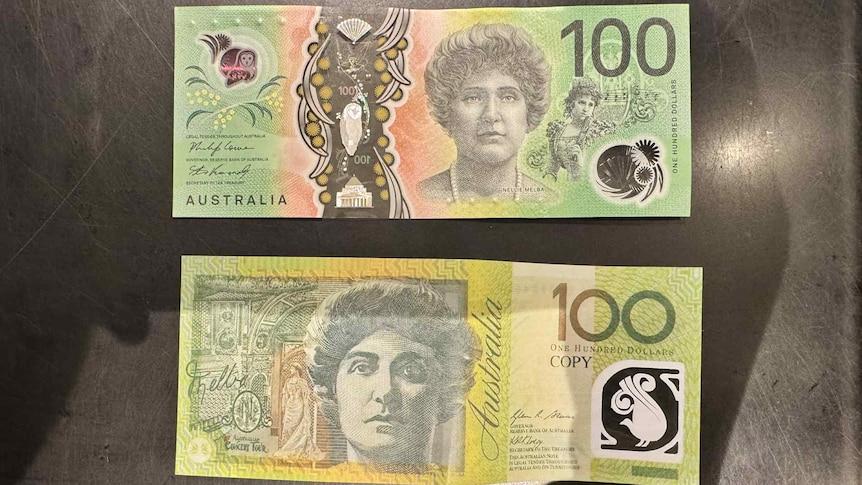
Counterfeit currency poses a significant threat to economies worldwide, as seen recently in a major police operation that resulted in the seizure of fake currency notes in Guwahati. On May 10, authorities recovered counterfeit notes valued at Rs 2.45 lakh from a suspect identified as Geyon Tayeng, highlighting the persistent issue of currency forgery in the region. Under the leadership of ACP Nilotpal Saikia, the operation at ISBT Guwahati reflects a proactive approach in tackling the circulation of counterfeit notes that undermines financial systems. Reports from currency seizure news outlets underscore the dangers posed by fake currency, which not only affects consumers but also disrupts businesses. Ongoing investigations are expected to unveil a wider network of individuals involved in the production and distribution of counterfeit currency, revealing the intricate web surrounding this illicit trade.
The proliferation of fraudulent monetary instruments—often referred to as bogus bills or phony cash—has stirred concern among law enforcement agencies and the public alike. Recent developments in Guwahati have spotlighted the dangers posed by fake currency, particularly following significant currency seizure operations. Law enforcement’s proactive measures to intercept such illegal transactions have come to the forefront, driven by cases involving the distribution of counterfeit banknotes. As authorities deepen their investigations, the emergence of related criminal networks raises important questions about the origin and circulation of these fake banknotes. Understanding the complexities of this issue requires awareness of how counterfeit currency impacts not just the immediate economic landscape, but also broader societal implications.
The Impact of Counterfeit Currency on the Economy
Counterfeit currency poses a significant threat to the economy, undermining the integrity of financial systems worldwide. When fake notes circulate, they essentially devalue legitimate currency, leading to inflation and loss of consumer trust. As evidenced by the recent seizure of counterfeit notes worth Rs 2.45 lakh in Guwahati, the distribution of fake currency can create serious economic disturbances, prompting responses from law enforcement agencies to investigate and dismantle such operations. The circulation of counterfeit notes not only impacts businesses but can also lead to losses for consumers who unknowingly transact with these fraudulent bills.
Moreover, the presence of counterfeit currency complicates monetary policy efforts. Governments and central banks strive to maintain a stable economy, but the injection of counterfeit notes can distort inflation rates, influencing the decisions policymakers make regarding interest rates and currency supply. The operations conducted by police forces, like the crackdown in Guwahati, are a critical part of combating such criminal activities. With ongoing investigations into the sources of counterfeit currency, authorities aim to curb this illegal phenomenon and restore confidence in the monetary system.
Police Operations Against Counterfeit Notes
Law enforcement agencies are increasingly vigilant in their operations against counterfeit notes, as seen in the recent case in Guwahati where a significant haul was made. The operation, led by ACP Nilotpal Saikia, underscores the commitment of police to tackle the distribution and circulation of fake currency. Intercepting individuals suspected of trafficking counterfeit notes is just one part of a broader strategy that includes collaboration with financial institutions and customs authorities to detect and prevent fake currency from entering circulation.
These police operations are not isolated incidents; they form part of an ongoing fight against organized crime that seeks to exploit the vulnerabilities in financial systems worldwide. In the latest instance, the suspect, Geyon Tayeng, allegedly obtained the counterfeit notes from a local contact, indicating a network that law enforcement is now working to dismantle. With continuous updates in currency seizure news, the public is kept informed about the risks of counterfeit currency and the measures being taken to counteract this illegal trade.
Guwahati’s Battle Against Fake Currency
Guwahati has emerged as a focal point in the continuing struggle against the counterfeit currency racket in India. The recent operation conducted at ISBT is just one of many actions taken by local law enforcement to combat the proliferation of fake notes in the region. Authorities are acutely aware that Guwahati serves as a transit hub for counterfeit currency, necessitating swift action to intercept these illegal operations. The community’s safety and economic stability hinge on the effective execution of these police operations.
In light of this ongoing battle, the public in Guwahati is being educated on the telltale signs of counterfeit notes. Workshops and information campaigns are increasingly relevant as citizens become more vigilant in monitoring their financial transactions. Such efforts complement the crucial work of the police and can help create a more informed populace that can better distinguish between legitimate and fake currency. The overarching goal remains clear: to secure the economy from the damaging impacts of counterfeit currency and preserve the trust essential for financial systems to thrive.
Investigating the Counterfeit Currency Network
Investigations into the counterfeit currency network often reveal complex webs of illicit activity, spanning multiple regions and involving various players. In the recent case of the counterfeit notes seizure in Guwahati, investigators are tracing the origins of the fake currency, looking for connections that may link the entire operation back to larger criminal organizations. By analyzing the methods used to produce and distribute counterfeit notes, authorities can develop more effective strategies to combat these operations.
Key to dismantling these networks is the cooperation between law enforcement agencies at different levels, as well as with international partners. Counterfeit currency is a global issue that crosses borders, making it essential for police operations to be coordinated and information to be shared. As this investigation progresses, it may uncover further linkages and methods of operation, paving the way for broader enforcement actions designed to eradicate counterfeit currency operations from the financial landscape.
The Legal Consequences of Manufacturing Counterfeit Notes
Manufacturing and distributing counterfeit notes is a serious offense that carries significant legal penalties. Individuals caught in the act, such as the recent apprehension of Geyon Tayeng in Guwahati, face harsh repercussions, including substantial fines and long prison sentences. The severity of these legal consequences serves as a deterrent to potential offenders but also highlights the challenges law enforcement faces in stopping counterfeit currency syndicates before they begin.
Beyond the immediate legal fallout, individuals involved in the counterfeit currency operations may also face additional charges related to organized crime and money laundering. As investigations unfold, police may uncover deeper connections to larger networks, further compounding the legal troubles for those implicated. The rigorous enforcement of laws against counterfeit currency underscores the commitment to maintaining a healthy economic environment, where trust in financial transactions is paramount.
Detecting Counterfeit Currency: Tips for Consumers
For consumers, recognizing counterfeit currency is crucial to reducing the risk of accepting fake notes in transactions. Simple methods for detection include examining the texture of the note, looking for watermarks, and checking for security features like holograms and color-shifting inks. Regular education on these features not only equips individuals with the knowledge needed to identify counterfeit notes but also promotes broader community awareness regarding the ongoing issue of fake currency.
In addition to personal vigilance, consumers are encouraged to report suspicious currency or repeated encounters with counterfeit notes to the relevant authorities. Engaging with local law enforcement and participating in educational programs about counterfeit currency can help foster a proactive community response, ensuring that every individual plays a part in tackling the challenge presented by fake currency.
Economic Repercussions of Counterfeit Money
The economic repercussions of counterfeit money can be profound, affecting not only individual businesses but the wider market landscape. As counterfeit notes circulate, they can lead to significant financial losses for merchants and consumers alike. Businesses that unknowingly accept fake currency may find themselves in precarious financial situations, causing irreparable harm to their operations and reputation. Moreover, the presence of fake currency in circulation can result in increased costs for businesses as they invest in anti-counterfeit measures.
This scenario sets off a chain reaction that can impede economic growth. With diminishing trust in the currency system, consumers might hesitate to spend, leading to reduced sales for businesses, ultimately impacting employment and investment opportunities. The police operations in Guwahati are part of a broader initiative to mitigate these effects. By targeting counterfeit currency networks, authorities aim to protect the economy and restore confidence in the financial system.
Collaborative Efforts to Combat Counterfeit Currency
Collaborative efforts between government agencies, law enforcement, and financial institutions play a critical role in combating counterfeit currency. Enhanced communication and shared resources are essential for effectively identifying and dismantling distribution networks that spread fake currency. Agencies often conduct joint task forces that combine expertise from various sectors to pool their insights and strategies, leading to more successful outcomes in curbing the counterfeit notes market.
Community involvement is also vital in these efforts. Workshops led by banks and police departments educate the public on recognizing counterfeit money and protecting themselves from fraud. Encouraging community engagement creates a culture of awareness, fostering individual responsibility in reporting suspicious activities. Ultimately, the fight against counterfeit currency requires a united front, with every stakeholder playing an active role in ensuring a secure financial environment.
The Role of Technology in Preventing Counterfeit Currency
Technology has become an invaluable ally in the fight against counterfeit currency. Innovations such as advanced printing techniques, smartphone applications, and artificial intelligence are being implemented to enhance detection and prevention mechanisms. Financial institutions are increasingly adopting high-tech solutions, including sophisticated currency verification systems that alert businesses and consumers of potential counterfeit notes. As these technologies evolve, they become increasingly difficult for counterfeiters to replicate.
Furthermore, the integration of blockchain technology presents a promising avenue for securing transactions and tracking the movement of currency. By providing a transparent ledger system, blockchain can help authorities trace the origins of counterfeit notes and establish a clear connection to those responsible for distributing fake currency. As technology continues to advance, it will play a crucial role in not only detecting but also preventing counterfeit currency from infiltrating legitimate financial channels.
Frequently Asked Questions
What happened during the recent police operation against counterfeit currency in Guwahati?
On May 10, a significant police operation at ISBT Guwahati resulted in the seizure of counterfeit currency notes worth Rs 2.45 lakh. The fake notes were recovered from Geyon Tayeng, a young man from Arunachal Pradesh. He is suspected of receiving these counterfeit notes from an unidentified individual in Guwahati before being intercepted by authorities. This operation, led by ACP Nilotpal Saikia, highlights ongoing efforts to combat the circulation of counterfeit currency in the region.
| Key Points |
|---|
| A substantial quantity of counterfeit currency worth Rs 2.45 lakh was seized. |
| The operation took place at ISBT Guwahati on May 10. |
| The counterfeit notes were recovered from Geyon Tayeng, a resident of Arunachal Pradesh. |
| The operation was led by ACP Nilotpal Saikia of the Azara subdivision. |
| Geyon Tayeng allegedly collected the counterfeit notes from someone in Guwahati. |
| The police team intercepted him before further distribution could occur. |
| Total amount of seized counterfeit notes is approximately Rs 2,45,000. |
| Investigations are ongoing to trace the source and any associated networks. |
Summary
Counterfeit currency is a significant issue affecting economies worldwide, and recent events in Guwahati highlight its ongoing prevalence. On May 10, law enforcement seized a substantial quantity of counterfeit currency notes totaling Rs 2.45 lakh during a police operation at ISBT Guwahati. The fake notes were intercepted from Geyon Tayeng, a young man from Arunachal Pradesh, who allegedly sourced them from a contact in Guwahati. The operation, led by ACP Nilotpal Saikia, underscores the urgent need for vigilance against the circulation of counterfeit currency. Investigations are currently underway to dismantle the networks facilitating these illegal activities, reflecting a proactive approach to combat this economic crime.