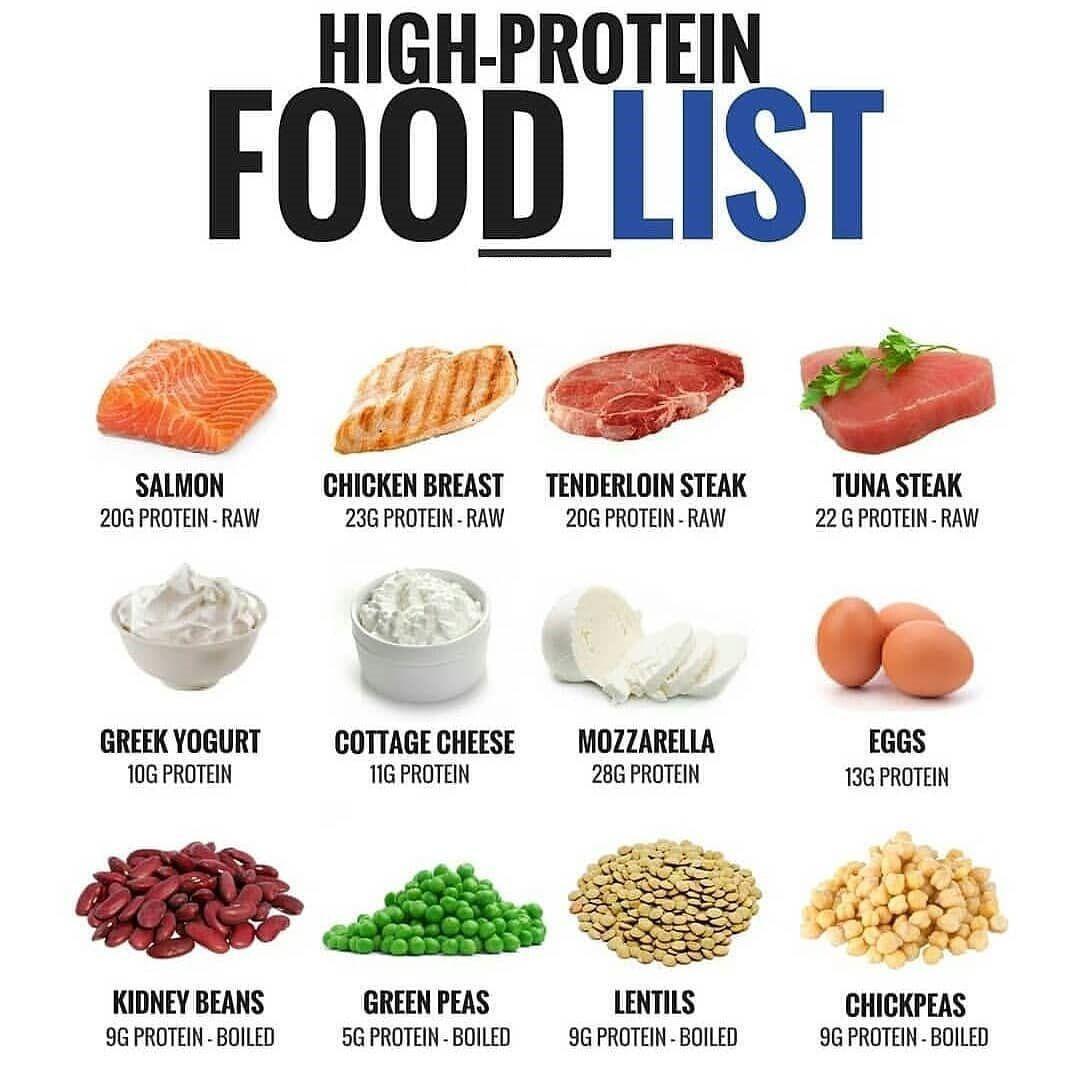
High-protein foods are vital for supporting overall health, providing essential nutrients that help our bodies thrive. As we search for healthy protein sources, it’s important to consider both animal and plant-based options that can meet our daily requirements. Incorporating high-protein snacks into your diet is an effective way to fuel your body, especially for those engaged in regular physical activity or looking to build muscle. The benefits of protein extend beyond just muscle repair; protein-rich foods can enhance energy levels, keep cravings at bay, and support hormone production. From Greek yogurt to lentils, discovering the variety of high-protein foods available can easily fit into any lifestyle and dietary choice.
When it comes to nourishing our bodies, protein-rich options play a central role in maintaining health and wellness. These nutrient-dense healthy protein sources come in various forms, including meats, dairy, legumes, nuts, and seeds, each offering unique benefits. Many individuals are turning to alternatives like plant-based protein as a way to diversify their diets while ensuring sufficient intake. Moreover, finding delicious high-protein snacks can help satisfy hunger while providing sustained energy throughout the day. By understanding the importance of these essential macronutrients and exploring different avenues to incorporate them into our meals, we foster a more balanced, fulfilling diet.
Exploring Healthy Protein Sources for Balanced Nutrition
In the quest for a balanced diet, incorporating healthy protein sources is essential for maintaining optimal health. Proteins are vital macronutrients that support muscle repair, hormone production, and immune function. Foods such as Greek yogurt, chicken breast, and lentils not only provide high levels of this nutrient but are also rich in other beneficial compounds, such as calcium, probiotics, and fiber. These elements work in synergy to promote digestive health and overall well-being, making them indispensable components of a nutritious plate.
Moreover, the introduction of diverse protein sources can enhance meal satisfaction and reduce the likelihood of unhealthy snacking. Different protein-rich foods offer varying textures and flavors, which can elevate the dining experience. For instance, the creamy consistency of cottage cheese pairs wonderfully with fruits, while grilled chicken serves as a hearty main dish that complements a variety of sides. Understanding the range of healthy protein sources allows for creativity in meal planning and encourages a diet that is both nutritious and enjoyable.
The Benefits of High-Protein Snacks in Daily Diet
Adding high-protein snacks to your daily routine can provide numerous benefits, particularly for those with active lifestyles. Not only do these snacks help alleviate hunger between meals, but they also support muscle recovery and energy levels, crucial for anyone who exercises regularly. Options like Greek yogurt with added fruit or a handful of almonds offer a quick energy boost while ensuring your body receives the necessary nutrients to function efficiently. Many high-protein snacks are also low in sugars and unhealthy fats, making them an excellent choice for those mindful of their health.
Additionally, incorporating high-protein snacks can enhance your metabolic rate. Protein has a higher thermic effect compared to carbohydrates and fats, meaning your body burns more calories digesting protein-rich foods. This can contribute to weight management and a healthier body composition over time. Snacks derived from plant-based protein sources, such as lentils and nuts, provide additional health benefits, including fiber and essential fatty acids, making them suitable for those seeking a balanced and health-oriented snack strategy.
Unlocking the Power of Plant-Based Proteins
Plant-based proteins have seen a surge in popularity due to their health benefits and versatility. Foods like lentils and paneer not only deliver substantial protein content but also come packed with fiber and a host of vitamins and minerals. For those aiming to reduce meat consumption or looking for vegetarian alternatives, these sources are crucial for meeting daily protein requirements. Lentils, in particular, are a powerhouse, providing about 18 grams of protein per cooked cup, making them an affordable and hearty option for a range of dishes such as soups, salads, and stews.
The environmental impact of incorporating more plant-based proteins is also significant. Transitioning towards plant protein options can reduce one’s carbon footprint while promoting sustainability. This dietary shift aligns with a growing awareness of health and environmental concerns. Additionally, plant-based proteins often include vital nutrients that contribute to a holistic approach to health, such as antioxidants and micronutrients found in legumes, nuts, and grains, further solidifying their status as a pillar in a modern diet.
How to Enjoy High-Protein Foods in Everyday Meals
Integrating high-protein foods into your everyday meals doesn’t have to be overwhelming. Start by adding Greek yogurt as a topping for smoothies or as a base for a fruit parfait, which can kickstart your day with a nutritious breakfast packed with protein and probiotics. For lunch or dinner, grilled chicken breast can be paired with a variety of vegetables and grains, providing a balanced plate that satisfies hunger and fulfills nutrition goals. Incorporating high-protein snacks throughout the day, such as nuts or cottage cheese, can help maintain energy levels and stave off cravings.
Exploring different cooking methods and recipes can also elevate your meals. For instance, lentils can be transformed into lentil burgers or used as a filling for stuffed peppers, creating a delicious and protein-rich meal. Additionally, paneer can be included in numerous dishes, from curries to salads, showcasing its adaptability as a protein source. By creatively incorporating high-protein foods into your diet, you can enjoy the varied flavors and textures while reaping the numerous health benefits associated with these nutrient-dense options.
The Role of Protein in Muscle Repair and Recovery
Protein plays a critical role in muscle repair and recovery following exercise. For individuals engaged in strength training or high-intensity workouts, adequate protein intake is essential for rebuilding muscle fibers that are broken down during exertion. This is where high-protein foods come into play; chicken breast, for example, provides a concentrated source of protein that aids in muscle regeneration. After a workout, consuming protein-rich snacks or meals can enhance recovery time, ensuring that the body is ready for future performance.
Furthermore, the benefits of protein extend beyond merely repairing muscles. Consuming protein post-exercise can stimulate muscle protein synthesis, leading to the growth of lean muscle mass. This is especially pertinent for those aiming to build muscle or improve athletic performance. Pairing high-protein foods with carbohydrates can further optimize recovery, replenishing energy stores and facilitating a more efficient recovery process. Therefore, understanding the role of protein in the recovery phase can significantly impact performance outcomes.
Understanding the Importance of Protein-Rich Foods
The significance of incorporating protein-rich foods into your diet cannot be understated. These foods are crucial for various bodily functions, including growth, tissue repair, and hormone synthesis. Notably, high-protein foods come in various forms, from animal-based sources like chicken and fish to plant-based options such as legumes and nuts, providing a wide range of choices for every individual’s dietary preferences. This diversity is essential in ensuring that everyone—from omnivores to strict vegetarians—can meet their protein needs.
Moreover, protein-rich foods contribute to feelings of fullness due to their satiating nature. By including adequate protein in each meal, individuals can effectively manage their appetite, making it easier to maintain a healthy weight. This is particularly beneficial for those looking to minimize unhealthy snacking or for individuals pursuing weight loss goals. The variety of delicious, protein-rich foods available today ensures that healthy eating is not just a necessity but also an enjoyable endeavor.
The Versatility of High-Protein Diets
High-protein diets are renowned for their versatility, allowing for creativity in meal planning that can accommodate various taste preferences and dietary restrictions. Whether you prefer the simplicity of a grilled chicken salad or the comfort of a lentil stew, high-protein diets can adapt seamlessly to any culinary style. This flexibility makes it easier to explore global cuisines that highlight protein-rich ingredients, such as the use of paneer in Indian dishes or Greek yogurt in Mediterranean recipes.
Additionally, the versatility of high-protein diets extends to the snack realm. High-protein snacks like nuts and cottage cheese are portable and require minimal preparation, making them ideal for busy lifestyles. There’s a plethora of recipes that allow for high-protein desserts as well, transforming healthy ingredients into satisfying treats. By creatively integrating protein-rich foods into daily menus, individuals can enjoy their meals while reaping the health benefits associated with high-protein diets.
Sustainable Choices: Plant-Based Proteins for Health and Environment
As the focus on sustainable eating continues to grow, plant-based proteins are emerging as a vital component of both personal health and environmental preservation. Opting for plant-based protein sources like lentils, beans, and nuts supports a balanced diet while also reducing the ecological footprint associated with meat consumption. These foods not only provide needed protein but also come packed with fiber, vitamins, and minerals that bolster overall health. Furthermore, they require fewer natural resources to produce compared to animal-based foods, making them a responsible choice for environmentally conscious consumers.
Furthermore, the shift toward plant-based proteins encourages a more diverse diet. This exploration introduces individuals to a range of flavors and cuisines, enriching their culinary experiences. It also promotes the use of whole, minimally processed foods that can enhance health markers and support weight management. By choosing sustainable plant-based protein options, individuals can contribute positively to their health while making impactful choices that preserve the planet for future generations.
Frequently Asked Questions
What are some benefits of including high-protein foods in my diet?
Incorporating high-protein foods into your diet offers numerous benefits, including muscle repair, hormone production, and improved satiety, which helps control appetite. Healthy protein sources like Greek yogurt and chicken breast provide essential nutrients that support overall health. Additionally, high-protein snacks, such as almonds and cottage cheese, can help maintain energy levels throughout the day, making them a smart choice for anyone looking to enhance their dietary intake.
| Food Item | Protein Content (per serving) | Other Benefits |
|---|---|---|
| Greek Yogurt | 15 to 20 grams per serving | Calcium, probiotics for gut health |
| Chicken Breast | 31 grams per 100 grams | Low in fat, versatile in meals |
| Lentils | 18 grams per cooked cup | High in fiber, stabilizes appetite |
| Paneer | 18 to 20 grams per 100 grams | Rich in calcium, vegetarian option |
| Cottage Cheese | 12 to 14 grams per half cup | Low calorie, pairs well with various foods |
| Almonds | 6 grams per handful | Healthy fats, portable snack |
Summary
High-protein foods are essential for maintaining overall health, contributing significantly to muscle repair, hormone production, and energy levels. These foods not only provide the necessary nutrients for daily functioning but also support long-term wellness. Incorporating a variety of high-protein foods, such as Greek yogurt, chicken breast, and lentils, into your diet can enhance muscle strength, prolong feelings of fullness, and improve digestive health. Embracing these nutritious options could lead to better health outcomes and a more balanced diet.