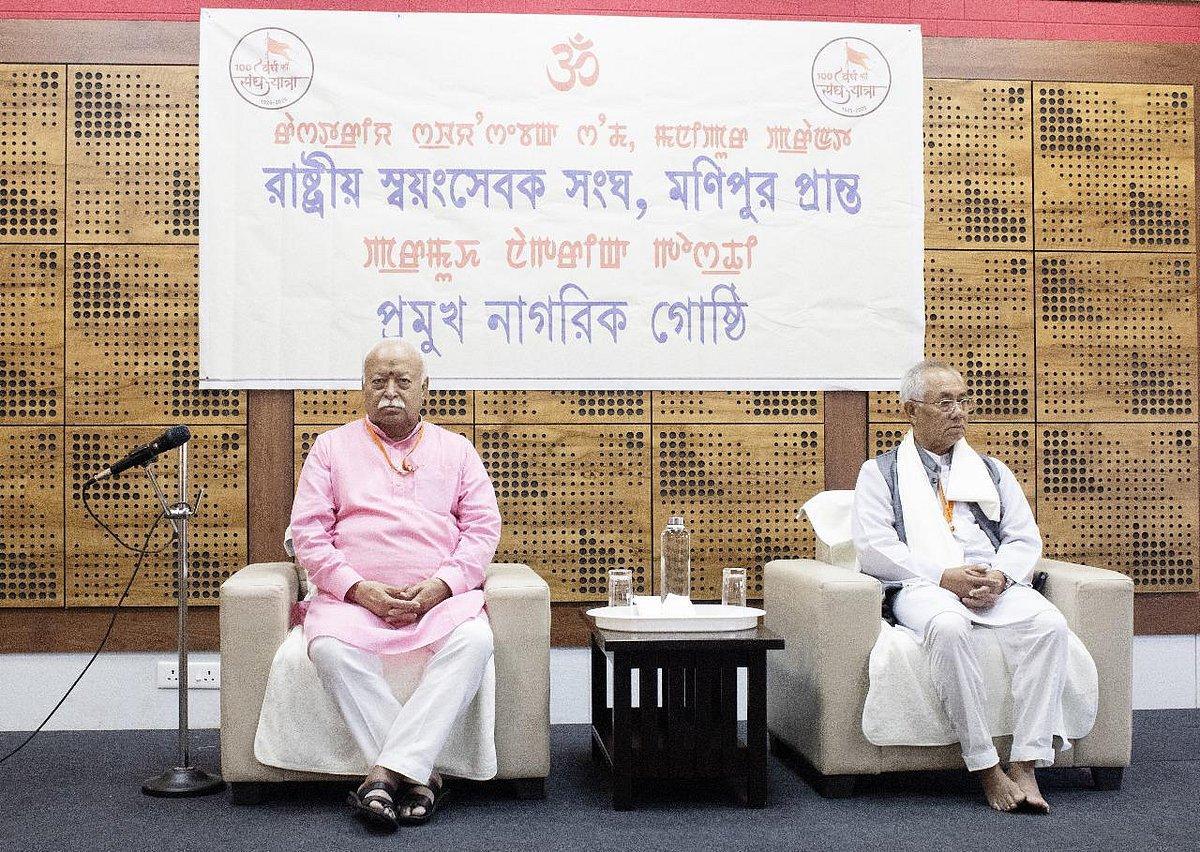
Peace and communal harmony in Manipur are increasingly seen as vital elements for the state’s sustainable development. Dr. Muhammad Riyajuddin Khan, an aspiring candidate for the upcoming Manipur elections from the Lilong Assembly Constituency, recently underscored the importance of unity among the diverse communities in Manipur. He believes that minority communities in Manipur serve as crucial bridges, connecting larger groups and fostering social stability within the region. During a public discussion centered on developmental issues, Khan emphasized that lasting peace is essential for any meaningful progress, especially within a state grappling with prolonged unrest. As Manipur continues to navigate complex challenges, the role of every community in nurturing peace and communal harmony has never been more significant.
The notion of tranquility and collaborative coexistence in Manipur is paramount for fostering a cohesive society. Dr. Muhammad Riyajuddin Khan, a key political figure aiming for a seat in the Manipur Assembly, recently articulated the pressing need for unity among various social groups amidst the upcoming elections. Emphasizing the role of underrepresented populations, he highlighted how these minority communities can help mend divisions and promote social equilibrium in the state. In light of the ongoing tensions affecting the region, his advocacy for a holistic approach to restoring harmony echoes the urgent need for a strategic resolution. As Manipur faces unique challenges, the push for peace and collective understanding remains a cornerstone for its future stability.
The Role of Minority Communities in Achieving Communal Harmony in Manipur
In a state like Manipur, where diverse ethnic groups coexist, the importance of minority communities cannot be overlooked in fostering communal harmony. Dr. Muhammad Riyajuddin Khan, a candidate for the Lilong Assembly Constituency, highlighted their potential to act as mediators between larger communities. These minority groups possess unique perspectives and cultural insights that can bridge gaps, reduce tensions, and build relationships amongst various sects of society. In doing so, they contribute not just to social stability in Manipur, but to a peaceful and cohesive environment where every community feels respected and integrated.
The involvement of minority communities goes beyond mere representation; it involves empowering them to partake in dialogues and discussions that promote peace. Dr. Khan’s emphasis on this aspect reflects a growing recognition of the need for inclusive governance. When minority voices are heard and acknowledged, it creates pathways for reconciliation and understanding, critical elements for lasting peace and communal harmony. With the right support and frameworks, minority communities can become pivotal players in Manipur’s journey towards a more united and stable society.
Developing Unique Plans for Peace in Manipur
Dr. Muhammad Riyajuddin Khan has called for a unique, strategic plan to restore peace and stability in Manipur. During the turbulent years that have seen persistent unrest, the lack of a clear approach to achieving normalcy has only compounded the hardships faced by its residents. He asserts that any effective solution must address the root causes of conflict and incorporate the voices of all stakeholders, particularly minority communities who are often in the crossfire of ethnic tensions. A well-tailored plan would not only aim to quell the ongoing violence but serve as a foundation for future harmony and cooperation among various groups.
In envisioning such a plan, the emphasis must be placed on community engagement and dialogue. Dr. Khan suggests approaches that include peacebuilding workshops, community forums, and targeted outreach to vulnerable groups. By empowering local leaders and recognizing the contributions of minority communities, there is potential to create a more inclusive platform where grievances can be aired and addressed constructively. Ultimately, the success of this initiative hinges on genuine collaboration, collective responsibility, and the unwavering commitment to achieving not just peace, but a deeper, enduring sense of communal harmony in Manipur.
The Impact of Ongoing Unrest on Development in Manipur
The continuous unrest in Manipur over the past several years has created a significant roadblock to development in the state. As articulated by Dr. Muhammad Riyajuddin Khan, the absence of peace and clarity regarding a resolution to the conflict has stifled progress on multiple fronts. Investors shy away from engaging in the region due to uncertainty, public services are disrupted, and social welfare initiatives are often put on hold. This stagnation encapsulates the reality that without a stable backdrop, any efforts toward development remain futile and ineffective; thus, the call for peace becomes not only a moral imperative but a necessary condition for development.
Moreover, the impact of unrest goes beyond the immediate economic setbacks; it also contributes to a climate of fear and mistrust among communities. Citizens become increasingly wary of one another, often leading to further divisions and conflicts. Dr. Khan’s insights highlight the urgent need for mobilizing all communities, especially minority ones, in collaboratively seeking solutions to restore tranquility. Only when there is a concerted effort to achieve social stability in Manipur can development flourish, nurturing a sense of hope and prosperity among its diverse population.
Fostering Peace as a Catalyst for Development in Manipur
Dr. Muhammad Riyajuddin Khan’s advocacy for peace rings true as a catalyst that can propel Manipur towards meaningful development. The intertwined nature of peace and development means that one cannot thrive without the other, particularly in a conflict-prone state. By prioritizing efforts to create an environment of safety and trust, the government can lay the groundwork for rehabilitation and growth. Such an agenda necessitates collaboration across communities, making sure that all groups, including minority populations, are actively involved in shaping a shared vision for their future.
Establishing a strong foundation of peace not only enhances the investment climate but also encourages participation from citizens in governance processes. When peace prevails, communities can focus on development initiatives such as education, healthcare, and infrastructure improvements. Therefore, Dr. Khan’s vision encapsulates a holistic approach to state-building that encompasses the need for communal harmony as a prerequisite for any significant socio-economic advancement in Manipur.
The Importance of Developmental Public Discussions for Peace
Developmental public discussions, like the one organized by Dr. Muhammad Riyajuddin Khan, serve as essential platforms for addressing communal issues in Manipur. By inviting community members to engage in dialogue, these discussions foster an inclusive atmosphere where diverse perspectives can converge. Such interactions are crucial for identifying common ground, recognizing the unique contributions of minority communities, and devising collaborative strategies to overcome challenges posed by unrest. These public forums play a critical role in advocating for peace as they also empower citizens to voice their concerns.
Furthermore, developmental discussions facilitate transparency in governance, an essential aspect of earning the trust of the populace. When leaders articulate their plans and share information about initiatives aimed at restoring peace and advancing development, it cultivates a culture of accountability. Dr. Khan’s commitment to engaging the public reflects a recognition that true progress hinges on the active participation of all community members. Ultimately, fostering a dialogue-based approach can set a precedent for how elected officials and constituents communicate, paving the way for a more unified Manipur.
Strengthening Community Ties Through Education in Manipur
Education is often deemed the cornerstone of any civilized society, and Dr. Muhammad Riyajuddin Khan acknowledges its potential to strengthen community ties in Manipur. By enhancing educational opportunities and promoting intercultural exchanges among different ethnic groups, it is possible to cultivate understanding and respect among community members. Initiatives that incorporate cultural history and tolerance into the curriculum can help bridge divides, fostering harmony among diverse populations while ensuring that minority communities feel seen and valued.
Moreover, educational programs aimed at promoting communal harmony can arm the younger generation with the tools necessary to combat prejudice and misunderstandings. By fostering an ethos of inclusivity and respect for diversity, future leaders can emerge who are committed to promoting unity. Dr. Khan’s vision emphasizes the need for such educational frameworks which can effectively mitigate conflict and promote societal stability, ensuring that peace and development go hand in hand in Manipur.
Engaging Local Leaders in Peacebuilding Initiatives
Dr. Muhammad Riyajuddin Khan’s focus on engaging local leaders is a vital element in any effort to rebuild peace in Manipur. Local leaders possess an intimate understanding of the community dynamics and can influence public sentiment positively. By involving them in peacebuilding initiatives, there is potential to foster a greater sense of ownership over communal harmony in the region. These leaders can act as bridges, connecting the government to local communities, thus ensuring that peace initiatives are culturally relevant and widely accepted.
Moreover, encouraging local leaders to advocate for peace can help galvanize public support and participation in these initiatives. In a context where traditional authorities command respect, leveraging their influence can create unparalleled momentum for social change. As Dr. Khan suggests, empowering these leaders not only aids in the restoration of peace but also in fortifying the social fabric of Manipur, bringing communities together for a shared vision of a prosperous, peaceful future.
Promoting Inter-Ethnic Cooperation to Enhance Social Stability
Inter-ethnic cooperation is fundamental to enhancing social stability in Manipur, a message emphasized by Dr. Muhammad Riyajuddin Khan amidst the ongoing unrest. By fostering collaboration among diverse ethnic groups, the state can work towards a harmonious coexistence that minimizes conflict and promotes shared goals. Projects that encourage joint participation in community development can serve as the bedrock for cultivating friendships and mutual understanding across different backgrounds. This approach not only benefits immediate communities but also contributes to the overall fabric of social stability in Manipur.
Such initiatives can involve community service projects, cultural exchanges, and joint problem-solving activities. By bringing representatives from various groups together to collaborate, it promotes dialogue and dispels misconceptions. Dr. Khan’s call to action represents a shift towards recognizing how integral inter-ethnic relationships are for building lasting peace. In fostering such cooperation, Manipur can pave the way for a community-driven approach to development that is inclusive and empower all its citizens.
The Essential Nature of Collaborative Leadership in Manipur
In the realm of restoring peace and communal harmony, collaborative leadership emerges as an essential strategy. Dr. Muhammad Riyajuddin Khan underscores the need for leaders across various spheres, from political to community-based, to work together towards a unified goal of stability in Manipur. By building teams that include representatives from minority communities, a more comprehensive understanding of the challenges and potential solutions can be achieved. Collaborative leadership not only strengthens governance but also nurtures an environment where collective progress can flourish.
Moreover, converging the expertise of diverse leaders enhances the effectiveness of peace initiatives. As Dr. Khan pointed out, without the involvement of all community layers, the solutions put forth may lack the necessary insight and depth to address the intricate dynamics of the state. This form of leadership taps into the strengths of varied experiences, fostering innovative solutions to perennial issues while promoting a spirit of cooperation that is vital for long-term stability in Manipur.
Frequently Asked Questions
How can peace and communal harmony in Manipur be achieved according to Dr. Muhammad Riyajuddin Khan?
Dr. Muhammad Riyajuddin Khan, a candidate for the Lilong Assembly Constituency, believes that achieving peace and communal harmony in Manipur hinges on the active involvement of minority communities. He asserts that these communities play a vital role in bridging divides between larger groups. Through inclusive dialogue and understanding, progress towards lasting peace and stability in Manipur can be realized, allowing for meaningful socio-economic development.
| Key Point | Details |
|---|---|
| Candidate’s Focus | Dr. Muhammad Riyajuddin Khan emphasizes peace and communal harmony in Manipur as a prospective candidate. |
| Role of Minority Communities | Khan believes they are essential in bridging divides between different groups. |
| Development and Peace | He asserts that lasting peace is crucial for the state’s overall development. |
| Current Unrest | Khan notes there is a lack of a clear plan to restore peace after years of conflict. |
| Unique Plans for Stability | He advocates for a unique strategy to reestablish peace and harmony. |
| Connection between Peace and Development | Khan concludes that without peace, meaningful development cannot occur. |
Summary
Peace and communal harmony in Manipur are fundamental for the state’s future. Dr. Muhammad Riyajuddin Khan, a candidate from the Lilong Assembly Constituency, has highlighted the critical need for stability within the region amid ongoing unrest that has persisted for several years. During a public discussion, he emphasized the pivotal role of minority communities in fostering connections between dominant groups, thereby creating an environment conducive to peace. Khan articulated the relationship between peace and development, noting that enduring stability is a prerequisite for meaningful progress in Manipur. The call for a unique plan to restore normalcy reflects a deep understanding of the complexities that the state faces. As such, the establishment of peace and communal harmony stands as a primary objective for the well-being of all communities in Manipur.