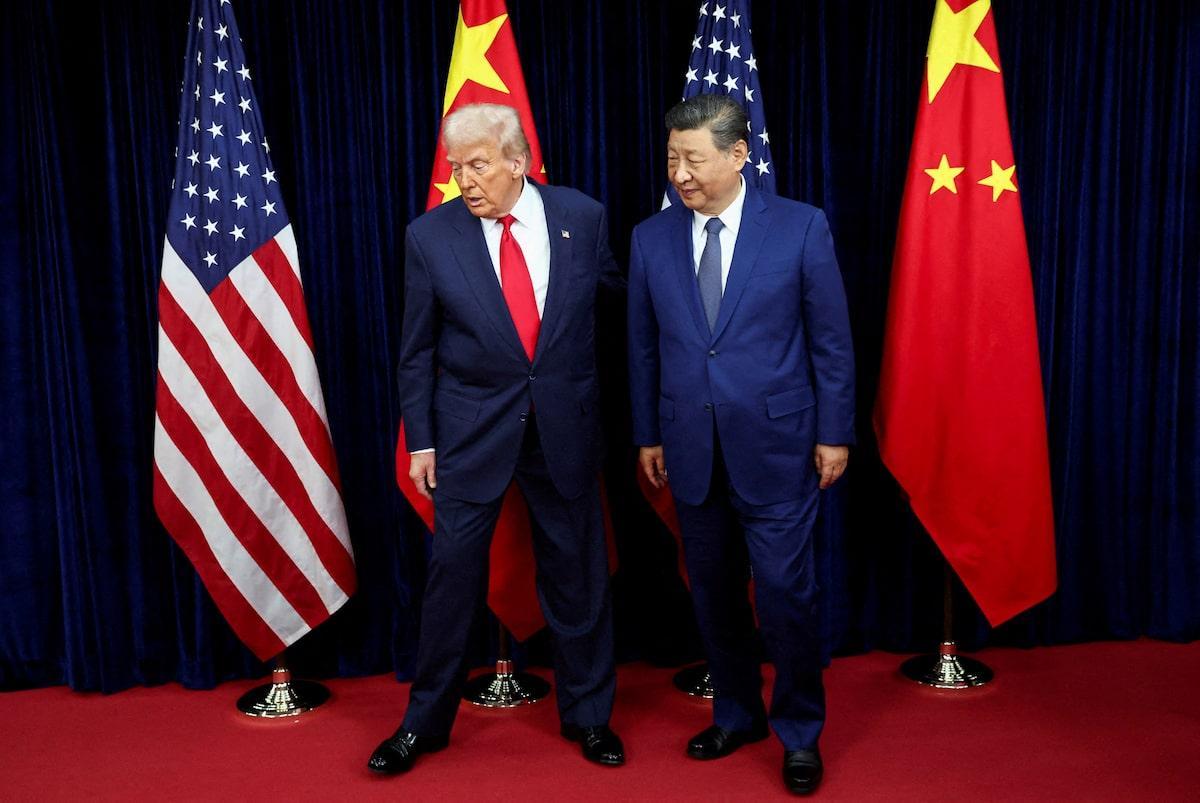
The upcoming Trump China visit, set to take place from May 13 to 15, is generating significant buzz as it marks the first visit of a sitting US president to China in nearly nine years. Scheduled at the invitation of President Xi Jinping, this trip aims to mend and strengthen US-China relations amid ongoing tensions. During his time in Beijing, Trump is expected to immerse himself in cultural experiences, attending a welcome ceremony and engaging in crucial bilateral talks that address pressing issues like trade agreements and the Taiwan issue. With high stakes in discussions around tariffs and military pressure, this visit comes at a pivotal moment for both nations. As the world watches closely, the outcomes of the Trump visit in May 2023 could redefine diplomacy and cooperation between these two global giants, shaping the future of international relations for years to come.
As he embarks on a highly anticipated diplomatic venture, Donald Trump’s upcoming journey to the People’s Republic of China represents a strategic opportunity to engage with Chinese leadership. This official engagement, which promises significant discussions during the Xi Jinping meeting, aims to navigate the complexities of US-China relations, especially regarding critical matters such as the escalating Taiwan issue and trade disputes. Through bilateral talks, Trump seeks not only to address long-standing tariffs but also to enhance cooperation and understanding with China, a nation of immense geopolitical influence. This visit, therefore, is not just a simple diplomatic exercise; it is a crucial step in fostering dialogue amidst rising tensions and the reshaping of global alliances.
The Significance of Trump’s China Visit
Donald Trump’s visit to China from May 13 to 15 is set against a backdrop of crucial developments in US-China relations, making it a significant event not just diplomatically but also economically. The visit holds ‘symbolic significance’, as noted by US principal deputy press secretary Anna Kelly. It marks a pivotal moment in the ongoing bilateral talks, especially considering the current tense atmosphere due to issues surrounding trade agreements and tariffs. This high-profile engagement could open avenues for discussion on the pressing matters at hand, especially with recent proclamations from both nations regarding their respective positions on trade.
Furthermore, Trump’s discussions with President Xi Jinping will allow both leaders to convey their perspectives on matters such as the Taiwan issue, which continues to strain the relationship. The Su-Wei negotiations are expected to address the significant economic ties between the two powerful nations, underscoring the need for collaboration amid competition. As the theme of bilateral dialogue permeates this visit, it remains to be seen how effectively these leaders can negotiate terms that might ease the prevailing tensions over critical geopolitical issues.
Key Topics of Discussion: US-China Relations
A central theme during Trump’s visit will undoubtedly be the dynamics of US-China relations. As both countries maneuver through a complex web of political and economic agendas, Trump’s presence in Beijing aims to rekindle discussions from his previous tenure. The scheduled bilateral talks will provide a platform to address long-standing grievances, trade disputes, and national security concerns, particularly regarding Taiwan. As noted by Chinese Foreign Minister Wang Yi, the issue of Taiwan is not just a regional concern but a keystone in the larger US-China engagement strategy.
In anticipation of potential agreements, the timing of Trump’s visit coincides with a renewed focus on addressing steep tariffs and trade imbalances that have exacerbated tensions in recent years. The discussions will likely revolve around creating a framework to address these concerns effectively, allowing both nations to realign their economic policies in a manner that promotes stability and growth. Ultimately, these talks are crucial in shaping the future trajectory of US-China relations against the backdrop of evolving global geopolitics.
The Taiwan Issue: A Core Concern in Dialogues
The Taiwan issue remains a focal point in the discussions during Trump’s China visit, as emphasized by both Chinese officials and US representatives. China considers Taiwan to be a part of its territory, resulting in ongoing military exercises aiming to assert its claims. Trump’s ability to navigate discussions around Taiwan could significantly impact US-China relations and the overall geopolitical landscape in the region. The Taiwanese territorial concerns influence not only bilateral talks but also encompass broader implications for regional security and stability.
In this context, it’s imperative that Trump and Xi Jinping effectively address these sensitive topics during their bilateral meetings. Exploring an understanding regarding Taiwan will require careful diplomacy, given that both nations hold contrasting narratives surrounding the issue. The operational dynamics of US support for Taiwan, alongside China’s insistence on its sovereignty, will be a major hurdle to overcome. How leaders approach this subject during the visit will set the tone for future cooperation or conflict between the two powers.
Anticipating Trade Agreements from the Visit
Trade agreements are likely to top the agenda during Trump’s visit, with heightened expectations surrounding a comprehensive deal between the world’s largest economies. The previous imposition of steep tariffs creates a pressing need for negotiation, aiming to stabilize economic relations that have seen significant volatility in recent years. As both nations engage in open dialogues, the outcomes of these discussions may pave the way for a new framework that addresses tariffs, trade practices, and bilateral investments, ultimately benefiting both economies.
Additionally, the interplay between Trump’s previous negotiations and Xi’s vision for China’s economic future will be crucial in determining the nature and success of any forthcoming agreements. By addressing the nuances of trade through frank discussions, Trump aims to leverage ongoing economic ties to bolster both nations’ interests. The culmination of these dialogues could lay the groundwork for a potentially groundbreaking trade agreement that helps alleviate tensions while fostering cooperation.
The Impact of Geopolitical Tensions on US-China Relations
As Trump prepares for his visit, the shadow of geopolitical tensions looms large over US-China relations. The lingering conflicts in West Asia, the competition for global influence, and concerns over energy supplies all contribute to a complex backdrop that requires careful diplomacy. Trump’s approach to addressing these geopolitical factors during his meetings with Xi will be vital not just for immediate bilateral relations but also for the global perspective on US-China interactions moving forward.
Moreover, the regional implications of US-China dynamics extend beyond mere economics. How the two leaders navigate these multifaceted issues during their discussions could either escalate current tensions or promote a collaborative relationship that benefits both countries and their allies. The visit will therefore be instrumental in gauging the future direction of a relationship that is pivotal in shaping global order.
Preparations Ahead of the Xi-Trump Meeting
In the lead-up to Trump’s arrival in Beijing, preparations are underway to ensure bilateral talks progress smoothly. The ceremonial welcome and engagement events, including visits to iconic sites like the Temple of Heaven, aim to set a collaborative tone for discussions. These formalities serve not only as a mechanism for demonstration of mutual respect but also as a way to underscore the significance of the occasion, especially as it is the first visit by a sitting US president to China in nine years.
This official welcome is expected to foster an environment conducive to candid discussions on issues such as trade, Taiwan, and security concerns. The stated intention from both administrations to explore avenues for enhanced cooperation reflects an eagerness to recalibrate US-China relations amid existing tensions. Such arrangements prepare the stage for a constructive dialogue that might yield beneficial outcomes for both nations.
Potential Outcomes from the Bilateral Talks
As Trump’s China visit unfolds, the potential outcomes of the bilateral talks could define the future of US-China relations for years to come. With each leader having their objectives, the discussions will aim to address a myriad of concerns, rooted deeply in historical contexts yet presented within a contemporary framework. Achieving meaningful dialogue during these meetings could potentially lead to a series of collaborative initiatives, focusing on trade, infrastructure investment, and shared security interests.
Moreover, depending on how successfully Trump and Xi navigate their discussions, the outcomes may either facilitate a new era of collaboration or exacerbate existing divisions. Key figures in both governments anticipate agreements that could alter the economic landscapes and significantly impact global markets. Ultimately, the results of these bilateral talks will resonate far beyond the two nations, influencing international relations and economic policies globally.
Media Coverage and Public Perception of the Visit
Media coverage surrounding Trump’s upcoming visit to China is expected to be extensive, capturing both formal proceedings and informal interactions. The framing of this visit within the larger narrative of US-China relations will play a crucial role in shaping public perception. The portrayal of leaders engaging in diplomatic discussions amid ongoing tensions will serve to highlight the complexities of their relationship and the stakes involved in their negotiations.
Furthermore, public perception will likely be influenced by the outcomes of these talks, especially in terms of trade agreements and resolutions surrounding Taiwan. As both leaders’ commitments to international diplomacy come under scrutiny, how the media communicates these developments will set the tone for anticipatory narratives and societal discourse in both countries. The significance of this visit, therefore, extends well beyond political realms, touching on how citizens from both nations view their leaders’ efforts in striving for a more stable international dialogue.
Looking Ahead: Future of US-China Relations Beyond the Visit
In the aftermath of Trump’s official visit to China, the trajectory of US-China relations will be closely monitored as both nations adjust their strategies based on the outcomes of these high-stakes dialogues. The evolving situation regarding trade, the Taiwan issue, and broader geopolitical considerations will continue to shape interactions beyond the framework established during this visit. As each side evaluates the implications of the talks, the focus will shift towards fostering stability and improving collaborative efforts.
Moreover, the anticipated reciprocal visit by Xi Jinping to the United States would further solidify ongoing dialogues, demonstrating a commitment to maintaining open channels for communication. In essence, the long-term future of US-China relations hinges on the effectiveness of these bilateral engagements, and whether both nations can find common ground to promote a cooperative existence in the face of competition.
Frequently Asked Questions
What is the significance of Trump’s China visit in May 2023?
Trump’s China visit in May 2023 holds considerable symbolic significance as it marks the first visit by a sitting US president to Beijing in nearly nine years. During this visit, Trump is expected to engage in bilateral talks with Chinese President Xi Jinping, addressing critical issues such as US-China relations, trade agreements, and the ongoing Taiwan issue. The meeting aims to stabilize relations between the two nations, especially amid rising tensions regarding trade tariffs and military activities related to Taiwan.
| Key Points |
|---|
| Trump’s Arrival Date and Purpose: Trump will arrive in Beijing on May 13 for an official visit, which is characterized as having “symbolic significance”. |
| Meetings and Events: Trump is scheduled to hold bilateral talks with Xi Jinping on May 14, visit the Temple of Heaven, and attend a state banquet. |
| Bilateral Discussions: Another meeting is planned for May 15, including bilateral tea and working lunch discussions. |
| Trade Expectations: The visit comes with anticipation of discussions around a potential trade agreement between the US and China. |
| Taiwan Issue: China’s emphasis on Taiwan as a central concern in US-China relations has been reiterated ahead of the visit. |
| Historical Context: This will be the first visit by a sitting US president to China in nearly nine years, highlighting the ongoing diplomatic significance. |
Summary
The Trump China visit marks a pivotal moment in international relations as President Trump arrives in Beijing on May 13 to engage in high-stakes discussions with President Xi Jinping. Scheduled between May 13 and 15, the visit aims to address significant issues surrounding trade agreements and the critical Taiwan question, which are pivotal to US-China relations. With an agenda filled with high-profile discussions, including a state banquet and bilateral talks, both leaders will explore avenues to strengthen their respective economies amidst ongoing geopolitical tensions. The upcoming meetings could set the stage for future diplomatic interactions and trade developments, underpinning the importance of this visit in shaping trans-Pacific relations for years to come.