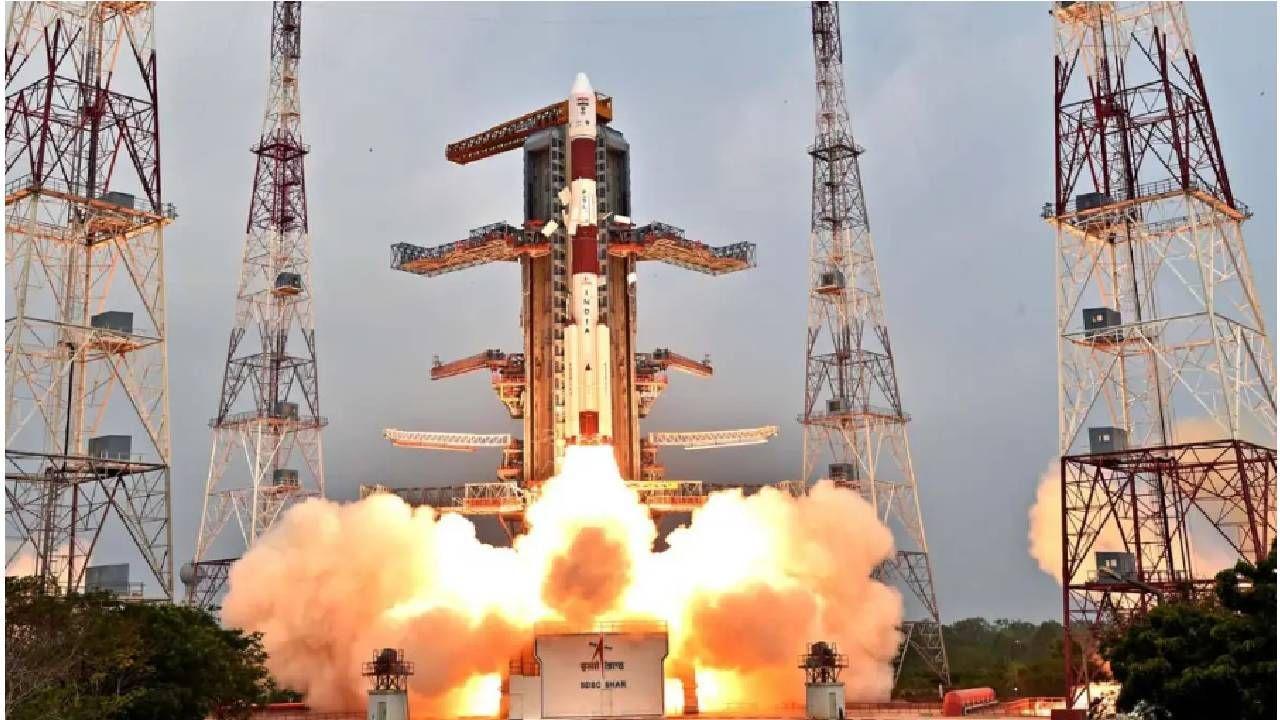
The Gaganyaan mission represents a monumental step for India, marking its first uncrewed spaceflight initiative set to launch this year. Spearheaded by the Indian Space Research Organisation (ISRO), this ambitious project is at the forefront of India’s space exploration efforts, alongside noteworthy developments in the Chandrayaan-4 mission and the upcoming Chandrayaan-5 rover partnership with Japan. As ISRO chairman V Narayanan recently highlighted, the Gaganyaan mission is critical for advancing technology that will ultimately enable future human space travel. By conducting three uncrewed flights before the actual manned mission, ISRO is ensuring that every aspect of safety and reliability is meticulously tested. This increased focus on India’s cryogenic engine program and innovative propulsion techniques underscores the nation’s dedication to becoming a key player in the global space race, with exciting ISRO updates on the horizon.
India’s pursuit of space exploration has reached a new pinnacle with the upcoming Gaganyaan mission, which aims to pioneer the nation’s first uncrewed journey into space. This initiative emphasizes a strong technological foundation as ISRO meticulously prepares for extensive trials, ensuring that the future of manned missions is firmly rooted in solid experience. Complementing this mission are the advances being made with the Chandrayaan-4 lunar sample return mission and the collaborative efforts on the Chandrayaan-5 rover, set to enhance our lunar knowledge. Furthermore, the ongoing development of indigenous cryogenic propulsion technologies symbolizes India’s resilience and innovation in aerospace engineering. As public interest in ISRO’s projects surges, the realm of space exploration continues to expand, promising thrilling updates in the near future.
Uncrewed Gaganyaan Mission: Paving the Way for Human Spaceflight
The upcoming uncrewed Gaganyaan mission represents a crucial step in India’s ambitions for human spaceflight. As the Indian Space Research Organisation (ISRO) diligently works on this mission, the focus is on ensuring that all technologies are meticulously tested before actual crew deployment. The success of this mission is vital, as it will provide critical data and insights into the mission parameters, vehicle performance, and safety systems in the absence of crewed astronauts. By conducting three uncrewed missions prior to putting humans aboard, ISRO is prioritizing safety and reliability in space operations, which are paramount in the realm of aerospace engineering. This cautious approach not only lays a robust groundwork for future crewed missions but also instills confidence in the new technologies being developed under the Gaganyaan program, including life support and navigation systems designed for prolonged space travel.
Moreover, the uncrewed Gaganyaan mission will act as a test bed for various advanced technologies like the semi-cryogenic engines and systems that have been developed in-house, thanks to the challenging journey of India’s cryogenic propulsion program. The emphasis on indigenous technology enhances not only operational capabilities but also helps instill national pride in India’s aerospace achievements. As ISRO gears up for the mission, updates are expected to roll out soon, with industry experts and space enthusiasts keenly awaiting the dates for the first launch. In many ways, the uncrewed Gaganyaan mission is not just an experiment; it is a testament to ISRO’s resilience and commitment to pushing the boundaries of space exploration.
Exciting Developments in Chandrayaan-4 and Chandrayaan-5 Missions
In addition to the uncrewed Gaganyaan mission, ISRO is also making significant strides with the upcoming Chandrayaan-4 and Chandrayaan-5 missions. The Chandrayaan-4 mission, which will be India’s inaugural lunar sample return initiative, aims to bring back samples from the Moon’s surface, furthering our understanding of lunar geology and potentially unlocking secrets about the Moon’s formation. This mission follows the successful Chandrayaan-3, which gathered valuable data and insights, hence making the upcoming sample return mission an exciting continuation of India’s lunar exploration narrative. This is a monumental leap as it not only showcases India’s growing prowess in space missions but also underlines the collaborative approach taken with international partners like Japan for Chandrayaan-5.
Chandrayaan-5, on the other hand, is designed to deploy a significantly heavier rover compared to its predecessors, showcasing technological advancement in the realm of robotics and autonomous systems on extraterrestrial terrain. With a weight of 350 kg and an operational lifespan of nearly 100 days, this new rover promises to conduct in-depth analysis and exploration of the lunar surface — a feat previously unachievable with lighter, short-lived rovers. These lunar missions are expected to be pivotal in gathering data that could lead to future lunar bases and extended missions, integrating India’s space efforts with global ambitions in the quest for lunar exploration. Together, these missions illustrate ISRO’s commitment to pioneering advancements in robotics and lunar science, contributing to an international body of knowledge.
Advancements in Cryogenic Engine Technology
The continued development of India’s cryogenic engine program is another vital aspect of ISRO’s efforts in modernizing its space launch capabilities. Overcoming technological hurdles and obstacles in this domain has significantly empowered India to create its own cryogenic propulsion systems. The recent successful hot test of the semi-cryogenic engine at an impressive thrust level of 175 tonnes symbolizes a remarkable milestone in India’s aerospace engineering capabilities. This achievement not only boosts confidence in future missions but also establishes a foundation for upcoming space endeavors, including the ambitious crewed Gaganyaan mission and beyond.
Furthermore, the advancements in cryogenic technologies are set to enhance Indian launch vehicles with improved performance and efficiency. As ISRO continues to innovate in this area through rigorous testing and development, including the upcoming engine test, it aims to ensure that its heavy-lift launch vehicles maintain their competitive edge in the global space launch market. The indigenous development of the CE20 cryogenic engine, which powers the LVM3 rocket, reflects a perfect amalgamation of India’s engineering capabilities and its strategic vision for space exploration. With the expertise of engineers like N Jayan leading these efforts, ISRO is positioning itself as a formidable player in the international space arena, ensuring sustainable growth in its aerospace capabilities.
Future of Indian Space Exploration: A Comprehensive Overview
As ISRO embarks on its journey towards the first uncrewed Gaganyaan mission, the future of Indian space exploration appears vibrant and filled with opportunities. With an unwavering commitment to technology and innovation, ISRO is set to redefine its roles in space science through various upcoming programs like the Chandrayaan missions and advancements in launch vehicle technologies. The strategic planning that encompasses not just immediate challenges but also long-term goals is what makes India’s foray into space unique. The combination of uncrewed missions, robust international collaborations, and developments in cryogenic tech illustrates a holistic approach to creating sustainable and impactful space exploration.
Moreover, the intertwining of scientific discovery with technological milestones gives the Indian space program a unique flavor that is both aspirational and achievable. As India continues its endeavors in exploring the lunar surface and beyond, it is crucial to monitor ISRO’s updates and developments closely. Each mission, be it the uncrewed Gaganyaan or the collaborative efforts on Chandrayaan-4 and Chandrayaan-5, contributes not only to national pride but also to the global agenda of understanding the cosmos better. The next few years are poised to bring remarkable changes and advancements in India’s exploration efforts as it continues to carve its niche in the vast domain of space science.
Frequently Asked Questions
What are the key updates on the uncrewed Gaganyaan mission by ISRO?
ISRO is currently focused on its first uncrewed Gaganyaan mission, which is set to launch this year. ISRO Chairman V Narayanan emphasized the mission’s importance in validating technology before proceeding to a crewed version. This initial uncrewed mission is critical as it will test the human-rating of the spacecraft, ensuring all systems are reliable for future crewed flights. Updates on specific dates will be announced soon.
| Key Point | Details |
|---|---|
| Uncrewed Gaganyaan Mission | The first uncrewed Gaganyaan mission is scheduled for this year, focusing on ensuring vehicle human-rating prior to crewed missions. |
| ISRO’s Focus on Lunar Missions | Chandrayaan-4, India’s first lunar sample return mission, and Chandrayaan-5, a collaborative mission with Japan featuring a 350kg rover. |
| Cryogenic Engine Developments | ISRO has successfully developed three indigenous cryogenic propulsion systems and continues to achieve significant milestones in engine testing. |
| Leadership Changes at ISRO | N Jayan, the developer of the CE20 cryogenic engine, has been appointed as the director of the Liquid Propulsion Systems Centre. |
Summary
The Gaganyaan mission represents a monumental step for India in its endeavor towards space exploration and technology. With the planned uncrewed mission set to launch this year, ISRO is focusing on ensuring the safety and reliability of its vehicles before proceeding to crewed missions. This initiative not only showcases India’s technological advancement but also sets the stage for future missions, including groundbreaking lunar projects like Chandrayaan-4 and Chandrayaan-5. These efforts highlight India’s growing capabilities in space technology, further solidified by significant developments in cryogenic propulsion systems, a vital technology for ambitious space missions. As ISRO continues to pave the way for human spaceflight, the Gaganyaan mission stands as a testament to the country’s commitment to becoming a leading player in global space endeavors.