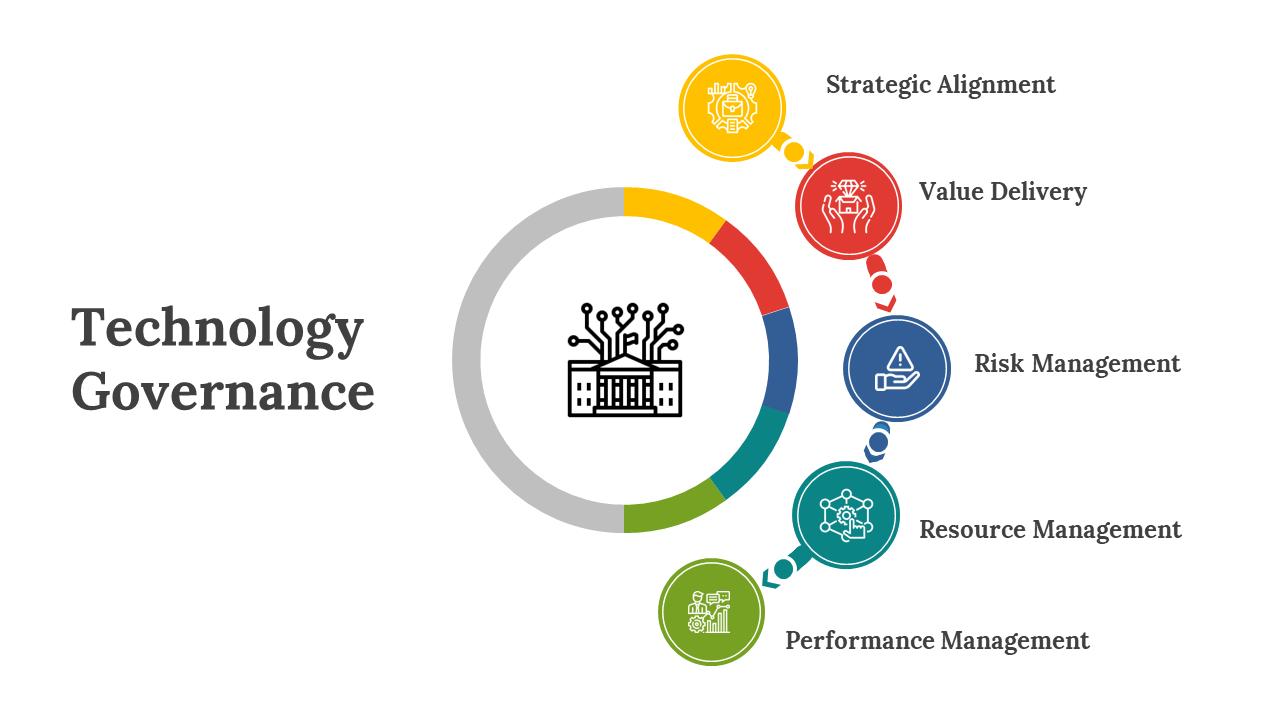
The Meghalaya Integrated Command and Control Centre represents a significant stride towards embracing technology-driven governance in the region. Chief Minister Conrad K. Sangma recently announced plans to adopt essential elements from Telangana’s successful IC&CC, highlighting its potential to enhance public service delivery. By leveraging advanced technology and real-time data, this innovative center aims to revolutionize emergency response systems across Meghalaya. The integration of strong institutional frameworks will ensure seamless collaboration among various departments, paving the way for improved governance. With this initiative, the Meghalaya government is poised to set new benchmarks in efficiency and responsiveness for its citizens.
In an era where smart governance is paramount, the establishment of an Integrated Command and Control Centre in Meghalaya signifies a transformative approach to public administration. This initiative mirrors Telangana’s IC&CC, which has set a high bar for integrating technology into state governance. By utilizing innovative emergency management systems, local authorities aim to improve coordination and service delivery. As Meghalaya adopts this progressive model, it emphasizes the importance of inter-departmental cooperation in enhancing the overall effectiveness of public services. Such advancements reflect a broader trend towards utilizing cutting-edge solutions to meet the evolving needs of citizens.
Adopting Best Practices from Telangana’s IC&CC
The Meghalaya government has recognized the potential benefits of emulating the features of Telangana’s Integrated Command and Control Centre (IC&CC) to enhance its own governance framework. Chief Minister Conrad K. Sangma emphasized that the Telangana model serves as a benchmark for technology-driven governance, showcasing how efficient systems can streamline public service delivery. By adopting best practices observed in Telangana, the Meghalaya administration aims to leverage advanced technologies to create a more responsive government that can meet the needs of its citizens effectively.
This strategic initiative will involve analyzing the operational frameworks of successful IC&CCs like Telangana’s, particularly focusing on their data management strategies and inter-departmental collaboration. The implementation of such a technology-driven approach could lead to transformative changes in how public services are accessed and delivered, benefiting all citizens in Meghalaya through improved responsiveness and coordination among various government departments.
Transforming Emergency Response Systems in Meghalaya
Integrating lessons from Telangana’s IC&CC, the Meghalaya government is set to revolutionize its emergency response systems. The utilization of real-time data and advanced technologies available at the Telangana facility provides a valuable blueprint that could enhance how emergencies are managed in the state. Sangma noted that a robust institutional framework is vital for ensuring that different government departments collaborate effectively during critical situations, leading to quicker response times and better outcomes for the community.
By establishing a well-coordinated emergency response system, Meghalaya can significantly improve its disaster management capabilities. This transformation will not only involve the adoption of technologies similar to those employed in Telangana’s IC&CC but will also integrate training programs and operational protocols that ensure seamless responses to emergencies. As a result, the state is positioned to provide a higher level of public safety, ultimately fostering greater trust and reliance on governmental bodies during crises.
Enhancing Public Service Delivery through Technology
One of the primary goals of adopting features from Telangana’s IC&CC is to enhance public service delivery in Meghalaya. The Chief Minister has acknowledged the value of using advanced technology to improve the efficiency and quality of services offered to citizens. By implementing intelligent systems similar to those in Telangana, the Meghalaya government can streamline operations, reduce bureaucratic delays, and ensure that essential services are readily accessible to all.
Transformative changes in public service delivery will involve the integration of data analytics and real-time monitoring systems, enabling government officials to make informed decisions quickly. This approach not only increases transparency and accountability but also allows for proactive service enhancements that can anticipate citizen needs. Ultimately, this shift towards technology-driven governance will empower Meghalaya’s administration to create a more citizen-centric approach, improving overall societal welfare.
The Role of Inter-departmental Collaboration in Governance
The success of Meghalaya’s plan to integrate features from Telangana’s IC&CC hinges significantly on inter-departmental collaboration. Chief Minister Sangma highlighted that effective governance requires strong institutional frameworks that facilitate communication and cooperation among various government sectors. By fostering closer partnerships between departments, Meghalaya can ensure that services are more integrated and responsive to the complex needs of its citizens.
To achieve this, the Meghalaya government can adopt practices such as joint training exercises, shared technology platforms, and coordinated planning initiatives. Such collaborations will not only enhance the efficiency of public service delivery but also create a culture of teamwork within the administration, enabling it to respond swiftly to challenges. This shift towards cohesive inter-departmental relationships serves as a critical element in elevating the standard of governance in Meghalaya.
Learning from Successful Governance Models Across India
Chief Minister Conrad K. Sangma has emphasized the importance of learning from successful governance models across India, particularly highlighting Telangana’s IC&CC as an exemplary case. By analyzing such effective frameworks, Meghalaya can identify strategies that have proven successful in enhancing public service delivery and emergency response systems. This knowledge-sharing initiative is essential for building a more accountable and efficient government that truly serves its citizens.
The Chief Minister’s commitment to studying these models underlines the need for continuous improvement in governance. By benchmarking against successful state initiatives, like Telangana’s technologically driven governance, Meghalaya aims to cultivate an administration that not only meets the current needs of its population but also anticipates future challenges. This forward-thinking approach is crucial in a rapidly changing world, where agility and adaptability in governance become increasingly vital.
Technological Innovations Driving Governance Transformation
Technological innovations play a pivotal role in transforming governance practices in Meghalaya, influenced by the advanced systems employed in Telangana’s Integrated Command and Control Centre (IC&CC). The Meghalaya government is keen on exploring options such as data analytics, Internet of Things (IoT) devices, and mobile governance applications that can enhance the efficiency of its services. Chief Minister Sangma’s visit to Telangana exemplifies a proactive approach to embracing technology as a catalyst for governance transformation.
Integrating these technological solutions is expected to streamline various administrative processes, ultimately improving service delivery and making it more user-friendly. The focus on modernizing public service schemes aligns with the growing trend in governance, where technology serves to empower citizens, enhance access to services, and ensure greater accountability. By prioritizing these innovations, Meghalaya can pave the way for a more responsive and effective governmental infrastructure.
Building a Citizen-Centric Governance Model
One of the core objectives of Meghalaya’s initiative to adopt features from Telangana’s IC&CC is to build a more citizen-centric governance model. Chief Minister Conrad K. Sangma has indicated that enhancing public service delivery requires a renewed focus on the needs and demands of citizens. By reorienting governmental functions around citizen input and experiences, the Meghalaya administration can ensure that its services are not only effective but also truly representative of public needs.
Adopting a citizen-centric approach entails implementing mechanisms for real-time feedback from the community, thereby making governance more participatory. This could involve regular consultations, surveys, and utilizing technology for direct communication between citizens and government officials. By prioritizing the voice of the people, Meghalaya can foster a government that is responsive and accountable, ultimately strengthening the relationship between the administration and its citizens.
The Future of Governance in Meghalaya
With the adoption of key elements from Telangana’s Integrated Command and Control Centre, the future of governance in Meghalaya looks promising. Chief Minister Sangma’s foresight in recognizing the importance of technology-driven systems indicates a willingness to embrace change and innovation in public administration. This progressive approach is essential for addressing the complexities of modern governance, particularly in enhancing emergency response and service delivery capabilities.
As the Meghalaya government implements these strategies, the expectation is that the benefits of improved operational efficiencies and enhanced public engagement will yield positive outcomes for citizens. Ensuring that governance evolves in line with technological advancements can create opportunities for greater effectiveness and a higher quality of public service. The alignment of state governance with such transformative initiatives symbolizes a commitment to building a better future for all residents.
Strengthening Institutional Frameworks for Effective Governance
Strengthening institutional frameworks is a critical aspect of Meghalaya’s initiative to improve governance by learning from Telangana’s IC&CC. Chief Minister Sangma has highlighted that strong institutions form the backbone of effective public service delivery systems. By developing robust structures that facilitate coordination among different government departments, Meghalaya aims to enhance the overall governance system.
Implementing policies that promote cooperation and transparency among various agencies will create a more cohesive environment for service delivery. This can include establishing formal agreements, inter-departmental committees, and regular audits to ensure accountability. By fortifying its institutional frameworks, the Meghalaya government can cultivate a more efficient and responsive administration that is better equipped to meet the challenges of the future.
Frequently Asked Questions
What is the Meghalaya Integrated Command and Control Centre?
The Meghalaya Integrated Command and Control Centre (IC&CC) is a state-of-the-art facility that focuses on technology-driven governance. It aims to enhance public service delivery and improve emergency response systems in Meghalaya by leveraging real-time data and advanced technology.
How does the Meghalaya government plan to implement features from Telangana IC&CC?
The Meghalaya government aims to adopt key features from Telangana’s IC&CC by analyzing its operational framework. This will help in enhancing inter-departmental coordination, responsiveness, and overall public service delivery using technology-driven governance.
What benefits does the Meghalaya Integrated Command and Control Centre offer for emergency response systems?
The Meghalaya IC&CC will provide improved emergency response systems by facilitating real-time data sharing and effective communication across various government departments, ensuring timely and efficient responses to incidents.
Why is the Telangana IC&CC considered a benchmark for technology-driven governance?
The Telangana IC&CC is viewed as a benchmark due to its successful integration of advanced technologies, real-time analytics, and a strong institutional framework that enhances collaboration among departments, significantly improving public service delivery and emergency response.
What role does advanced technology play in the Meghalaya Integrated Command and Control Centre?
Advanced technology is central to the operations of the Meghalaya IC&CC, enabling it to process real-time data, streamline communication, and enhance decision-making processes for departments involved in public service delivery and emergency management.
How will the Meghalaya IC&CC improve departmental coordination?
By adopting the integrated approach exemplified by the Telangana IC&CC, the Meghalaya Integrated Command and Control Centre will foster closer collaboration among various government departments, leading to improved efficiency in public service delivery and emergency responses.
What are the key features that Meghalaya aims to adopt from the Telangana IC&CC?
Meghalaya plans to incorporate features such as real-time data processing, advanced technology integration, effective inter-departmental coordination, and a robust governance framework, all aimed at improving the efficiency of public services and emergency response systems.
How will the Chief Minister’s initiative impact citizens in Meghalaya?
The Chief Minister’s initiative to develop the Meghalaya Integrated Command and Control Centre is expected to enhance citizen benefits through improved public services, faster emergency responses, and a more responsive administration that effectively utilizes technology.
| Key Point | Details |
|---|---|
| Adoption of Telangana Model | Meghalaya to implement features from Telangana’s IC&CC for better governance. |
| Technology-Driven Governance | IC&CC serves as a benchmark for utilizing real-time data and technology in public services. |
| Inter-Departmental Coordination | Emphasizes the importance of cooperation between various government departments in service delivery. |
| Analysis of Operational Framework | Meghalaya will study Telangana’s operational framework to adopt best practices. |
| Improving Responsiveness | Aims to enhance coordination and technology use for better citizen services. |
| Learning from Successful Governance | Memorable governance models will guide Meghalaya in building a more efficient administration. |
Summary
The Meghalaya Integrated Command and Control Centre is poised to revolutionize public service delivery through the adoption of advanced features from Telangana’s model. By leveraging real-time data and enhancing inter-departmental coordination, Meghalaya aims to improve responsiveness and efficiency in governance. This initiative is a crucial step towards modernizing the state’s administrative framework, allowing it to better serve the needs of its citizens.