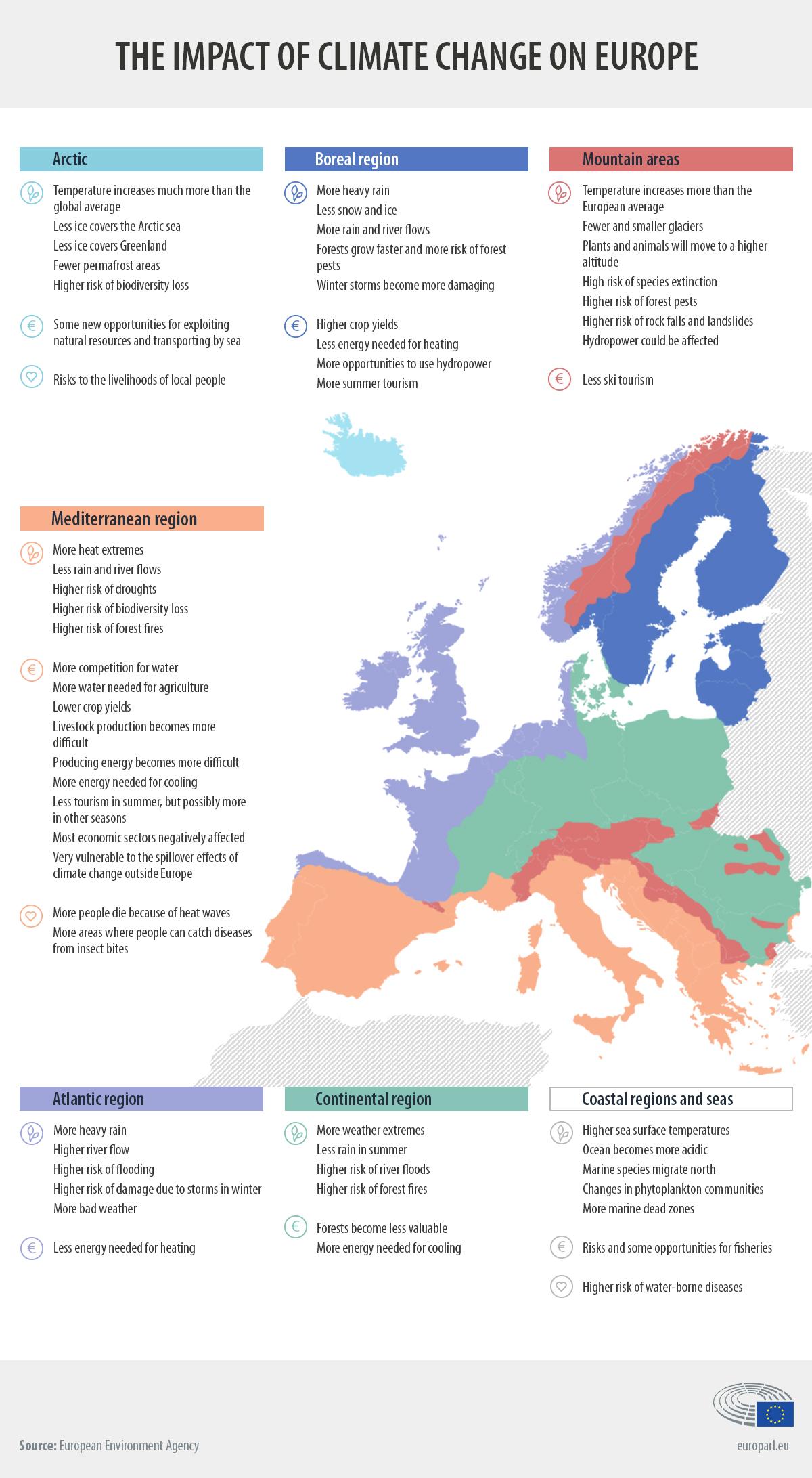
The ongoing heatwave across Europe has brought record temperatures, with many regions experiencing scorching heat rarely seen in the continent’s history. As cities cope with this unprecedented climate challenge, the impacts of Europe climate change are starkly visible, revealing vulnerabilities in infrastructure and public health systems. With temperatures soaring above 40°C, this heatwave is more than just an inconvenience; it poses serious threats to public health, as hospitals report rising cases of heat-related illnesses. The infrastructure challenges heat presents extend beyond discomfort, affecting everything from transportation to energy supply. As Europe grapples with these new realities, the need for innovative urban cooling solutions has never been more urgent.
The current scorching weather sweeping through Europe highlights an urgent climatic crisis that demands attention. This relentless rise in temperatures is intricately linked to shifting weather patterns brought on by climate change, urging nations to confront infrastructure weaknesses head-on. With unprecedented warmth becoming a common occurrence, cities are under pressure to implement measures that safeguard public health during these extreme heat events. The heatwave has prompted discussions around adapting urban environments to better withstand high temperatures, ensuring that residents are not left vulnerable. As we witness these unprecedented conditions, the urgency of developing viable solutions for cooling urban areas is more critical than ever.
The Impact of Europe’s Heatwave on Public Health
As Europe faces unprecedented heatwaves, the implications for public health are becoming alarmingly clear. This summer, many regions have reported extreme temperatures exceeding 40°C, leading to an sharp uptick in heat-related illnesses and fatalities. For instance, the World Health Organization has warned that severe heat can lead to more than just dehydration or heat exhaustion; it can exacerbate chronic conditions such as heart disease and respiratory issues. The increased strain on public health systems is evident, as hospitals grapple with the surge in patients due to heat-related complications. Efforts to implement better public health measures, such as early warning systems and community education, are crucial to safeguard vulnerable populations from the sweltering conditions that are likely to become the new normal in Europe.
Moreover, the impact of soaring temperatures on mental health should not be overlooked. The discomfort and anxiety associated with extreme heat can lead to increased stress and mental health crises among populations, particularly in urban areas where heat is exacerbated by the urban heat island effect. As European cities confront sustained periods of high temperatures due to ongoing climate change, the responsibility falls on local governments to ensure adequate support systems are in place to mitigate the harmful effects of these extreme heat events.
This rising trend is echoed in various reports indicating a growing number of excess deaths attributable to heat-related causes. In summer 2022 alone, over 61,000 people lost their lives in Europe due to heat, marking it as one of the deadliest climate-related events in recent history. This phenomenon reflects a crucial reality: climate change in Europe is not just a future scenario; it is a present-day emergency that considers the urgent need for resilient public health strategies. Developing cooling centers and enhancing community support during heatwaves have emerged as priority strategies for many cities, such as Paris and Barcelona, indicating a proactive approach to public health challenges posed by extreme heat.
Climate Change and Record Temperatures in Europe
The alarming rise in record temperatures across Europe serves as a stark reminder of the consequences of climate change. With heatwaves becoming more frequent and intense, many countries have seen temperature records shattered, a scenario outlined by the World Meteorological Organization. Nations such as France, Germany, and Spain reached unprecedented highs this summer, prompting urgent climate discussions and action plans. Recent data suggests that Europe is warming at nearly double the global average. The implications of these rising temperatures extend beyond mere discomfort, affecting agriculture, infrastructure, and overall quality of life for millions. The relationship between these escalating temperatures and human activities such as greenhouse gas emissions highlights the pressing need for coordinated climate action across Europe.
As Europe grapples with climate-induced heat, the integration of urban planning and climate resilience becomes imperative. Cities, which traditionally emphasized winter heating, now must pivot towards solutions that prioritize cooling and heat management. Innovations such as urban forests, green roofs, and reflective pavements are critical in combating heat retention and minimizing temperature rises in densely populated areas. As scientists continue to monitor changing climates and provide modeling predictions, the urgency for policymakers to adapt urban infrastructure to accommodate these rising temperatures has never been clearer.
To truly address the impact of climate change on Europe’s temperature extremes, a collaborative approach that incorporates scientific insights and public engagement is essential. Climate adaptation strategies should focus not only on immediate cooling solutions but also on long-term sustainability efforts that mitigate heat accumulation in urban environments. As the continent collectively confronts this ongoing crisis, understanding the interconnectedness of climate change impacts across systems will be vital in fostering resilience against it. In light of the serious risks posed by record-breaking heat events, the urgency for strong climate policies cannot be overstated, as Europe faces the reality of a hotter future.
Infrastructure Challenges Amid Extreme Heat
Europe’s infrastructure is currently facing unprecedented challenges driven by extreme heat conditions. Road surfaces and railway tracks are buckling under the relentless sun, while energy demand rises sharply as air conditioning systems struggle to keep up with the demand for cooling. This rising strain on critical infrastructure has resulted in a ripple effect, leading to disruptions in transportation and energy generation. For instance, several nuclear power plants had to scale back operations as they could not access enough cooling water due to elevated temperatures. The fragility of infrastructure originally designed for mild summer climates is now exposed, prompting urgent discussions about necessary upgrades to withstand climate realities that are increasingly extreme.
In addition, urban areas are feeling the weight of this infrastructural stress as schools close and outdoor events are canceled. The urban heat island effect intensifies these problems, producing environments that exacerbate heat stress for city dwellers. Therefore, to combat these adverse effects, investment in infrastructure that is resilient and adaptable to extreme heat is crucial. This includes redesigning road materials to withstand higher temperatures and enhancing public transport systems to provide reliable alternatives during peak heat periods.
Mitigating these infrastructure challenges is not solely about immediate responses but necessitates a long-term vision congruent with evolving climatic conditions. Innovative solutions, such as integrating green spaces into urban planning and utilizing materials designed for higher thermal resistance, will be essential in rebuilding Europe’s resilience against heatwaves. Furthermore, adaptation policies must be comprehensive, involving various stakeholders, from government institutions to everyday citizens. By fostering a collective approach toward infrastructure improvement, Europe can not only better prepare for future heatwaves but also pave the way toward sustainable living conditions amid a continuously warming climate.
Urban Cooling Solutions for Future Heatwaves
With the rising trend of extreme heat in Europe, innovative urban cooling solutions are gaining momentum as essential components of city planning. Traditionally, European architecture emphasized insulation for winter warmth, resulting in buildings poorly equipped to handle intense summer heat. The emergence of urban cooling strategies aims to rectify this misalignment. Key solutions, such as increasing urban green coverage through parks and trees, can significantly mitigate heat absorption, creating cooler microclimates and enhancing the overall livability of cities. Moreover, implementing green roofs and reflective surfaces can substantially decrease heat retention in urban areas, offering respite during peak summer temperatures and reducing reliance on energy-consuming air conditioning systems.
Additionally, cooling centers have been established in cities like Paris and Madrid to provide refuge for vulnerable populations during heatwaves. These centers can serve as community hubs, where residents can access air conditioning, hydration, and heat-related health support, significantly improving public health response during peak heat periods. By prioritizing urban cooling solutions, cities can enhance thermal comfort and safety for residents while simultaneously addressing the challenges posed by climate change.
Furthermore, municipalities must collaborate on expanding these cooling initiatives, incorporating community feedback and local needs into their designs. The importance of sustainable urban planning cannot be overstated; improving existing infrastructure to support natural ventilation and limiting heat retention will be vital in reducing future heatwave impacts. Enhanced urban planning that integrates cooling solutions is not just a proactive measure for surviving extreme heat but a necessary adaptation strategy for a future increasingly shaped by climate change. Europe must strive to transform its thermal landscapes into adaptable environments that emphasize comfort, safety, and resilience amid escalating temperatures.
The Future of Housing and Heat Resilience in Europe
As Europe navigates a future marked by increasing temperatures, the challenge of adapting housing to withstand extreme heat is paramount. Buildings constructed with traditional methods focused on retaining heat are now ill-equipped to cope with the demands of year-round heat stress. Future housing designs must reflect new realities, employing materials and technologies that promote natural cooling and minimize heat buildup. For instance, the adoption of passive cooling strategies, such as cross-ventilation and thermal mass, can significantly reduce reliance on energy-intensive cooling systems. Innovations should also include flexible design elements that can adapt to changing climatic conditions, ensuring homes are livable during increasingly scorching summers.
Furthermore, collaboration between architects, city planners, and health experts is essential in conceptualizing residences that prioritize thermal comfort and energy efficiency. Incentivizing retrofitting existing buildings to enhance cooling performance will be crucial to addressing the immediate needs posed by current heat waves while creating a forward-looking framework for climate adaptability. A comprehensive approach to housing that integrates sustainable practices is vital as Europe continues to face record temperatures and escalating climate change repercussions.
Equally important is the consideration of socio-economic factors in housing design. Ensuring that cooling solutions are accessible and affordable for all, particularly vulnerable populations, is critical to fostering an equitable response to extreme heat. Urban policies should emphasize a balance between promoting energy efficiency and providing adequate support for those who may lack access to sufficient resources. As Europe reimagines its housing landscape in light of climate change, prioritizing inclusivity and resilience can ensure that all residents can thrive, regardless of the weather extremes they face.
Adapting Urban Spaces to Combat Heatwaves
Urban areas are particularly susceptible to the impacts of climate change, particularly in the form of extreme heatwaves. With rising temperatures threatening public health and urban infrastructure, cities are increasingly looking at adaptation measures to mitigate these effects. Urban planning must evolve to counteract the urban heat island phenomenon, where densely populated areas experience significantly higher temperatures than their rural counterparts. Solutions range from increasing green spaces to implementing reflective pavements, effectively reducing heat absorption in urban zones. Such initiatives not only cool the environment but also enhance residents’ quality of life by creating more accessible and pleasant outdoor spaces.
Additionally, incorporating water features in urban design can further aid in cooling cities during intense heat periods. Water bodies, such as fountains, ponds, and even urban wetlands, can provide much-needed respite from heat while contributing to biodiversity and stormwater management. By creatively integrating these elements into cityscapes, urban planners can develop strategies that combat the harsh effects of climate change while fostering sustainable growth and enhancing urban resilience.
Community involvement plays a significant role in the success of these urban adaptation strategies. Engaging residents in decision-making processes can yield valuable insights into local needs and preferences, ensuring that cooling solutions are tailored effectively. Educational campaigns can also promote awareness about the importance of green spaces and community-led initiatives, empowering neighborhoods to take charge of their cooling strategies. As cities prepare for the reality of frequent heatwaves, creating urban environments that integrate cooling solutions, open spaces, and community involvement is essential for building resilient communities in the face of climate change.
The Role of Policy in Addressing Heat-Related Risks
Policy interventions play a critical role in shaping how Europe addresses the risks associated with extreme heat conditions. As temperatures continue to rise, effective legislation is necessary to support proactive adaptation measures that manage heat-related impacts on public health and infrastructure. Policymakers must prioritize funding for research and development of urban planning initiatives that integrate cooling solutions while enhancing energy efficiency. Collaborative frameworks involving health authorities, urban planners, and community stakeholders can help shape policies that not only respond to immediate heat wave challenges but also incorporate long-term strategies for climate resilience.
Moreover, implementing rigorous building codes that require sustainable design features can ensure that new developments are better equipped to handle heat stress. For example, incentivizing the use of energy-efficient materials and technologies, promoting passive cooling solutions, and supporting green building initiatives can significantly improve heat resilience across Europe. The alignment of policy with innovative urban design is critical in mitigating the detrimental effects of extreme heat while enhancing the overall health and safety of communities.
Ultimately, addressing heat-related risks through informed policy-making is a multifaceted endeavor. It requires engagement from various sectors, encompassing environmental, health, and urban planning professionals. Policymakers can draw on data-driven insights and best practices to formulate comprehensive strategies that prepare European cities for the ongoing challenges posed by climate change. By prioritizing adaptation efforts now, Europe can forge a more resilient future capable of withstanding the severe impacts of heatwaves, thereby improving life for all residents.
Frequently Asked Questions
What are the impacts of the Europe heatwave on public health and infrastructure?
The recent Europe heatwave has had severe impacts on public health, with the World Health Organization estimating over 200,000 heat-related deaths in the last four years alone. The intense and prolonged heat has overwhelmed healthcare systems, leading to increases in heat-related illnesses such as heatstroke, respiratory issues, and cardiovascular complications. Infrastructure is also suffering; roads are buckling, train services are disrupted, and energy demands have skyrocketed, straining power grids. These events highlight the urgent need for Europe to adapt its climate resilience strategies to withstand more frequent and severe heatwaves.
| Key Points |
|---|
| Europe is currently experiencing record-breaking heatwaves, with temperatures exceeding 40°C in several countries. |
| Traditional European architecture is built to retain heat during cold winters, making buildings precarious when facing extreme summer temperatures. |
| The rapid increase in temperatures is attributed to various climate change factors including atmospheric changes and reduced snow cover. |
| Extreme heat poses significant health risks, particularly for vulnerable populations such as the elderly and those with pre-existing conditions. |
| A major concern is the lack of air conditioning in many European households compared to other regions, leading to insufficient cooling during heatwaves. |
| Infrastructure, including roads and power grids, is failing under the pressure of the extreme heat, showcasing the inadequacy of current systems designed for milder summers. |
| Cities are beginning to adapt by increasing green spaces, creating shaded areas, and improving building designs to cope better with soaring temperatures. |
| The recent heatwave has resulted in significant public health crises, prompting a reconsideration of how to prepare urban environments for future heat challenges. |
Summary
The Europe heatwave has unveiled alarming vulnerabilities in the continent’s infrastructure and public health systems, as cities built for cold climates are now grappling with intense summer heat. With temperatures soaring past 40°C in many regions, the consequences of this climatic shift are profound, exposing the inadequacies of traditional architectural designs and emergency preparedness. The recent deadly heatwave, which has claimed nearly 1,000 lives in France alone, has amplified calls for urgent adaptation strategies. Tackling the crisis requires a multi-faceted approach, including enhanced green spaces, better urban planning, and improved public health measures, to safeguard the population as Europe faces an increasingly warm future.