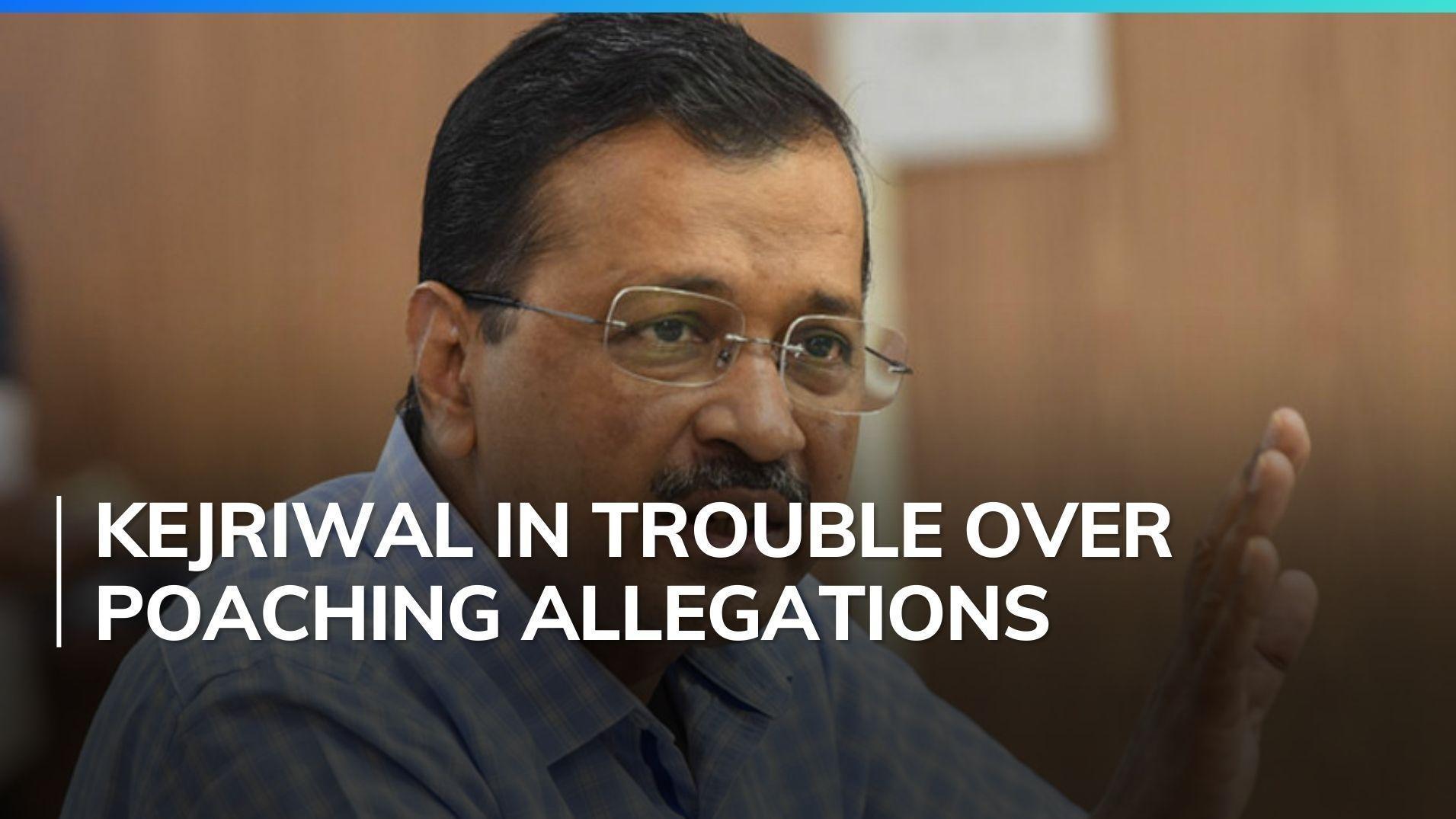
Allegations of horse trading have erupted in Tamil Nadu, igniting heated tensions between the ruling Tamil Nadu Vetria Tenkai (TVK) party and the opposition Dravida Munnetra Kazhagam (DMK). On Wednesday, both parties faced accusations of attempting to poach members from each other’s ranks, with former minister V. Senthil Balaji implicated in the controversy. As the dust settles, the Tamil Nadu Assembly Speaker and key figures such as Chief Minister C. Joseph Vijay become central to the unfolding drama surrounding MLA poaching allegations. Reports reveal that TVK Uthangarai MLA N. Ilayaraja was approached with offers as extravagant as Rs 35 crore to sway his vote against the Speaker in a trust motion. This tumultuous political landscape has not only highlighted the ongoing DMK-TVK conflict but also raised pressing questions about the integrity of Tamil Nadu politics.
In the recent political turmoil enveloping Tamil Nadu, the term ‘political maneuvering’ has emerged alongside accusations of horse trading, signifying attempts by parties to gain an upper hand through unethical practices. The escalating tensions between TVK and DMK reflect a broader struggle within Tamil Nadu politics, where allegations of exploiting political alliances and bribing representatives are the order of the day. The unfolding drama also sheds light on the implications of MLA poaching on party dynamics and governance, particularly in light of V. Senthil Balaji’s alleged involvement. Such incidents highlight a concerning trend, where political conflict often resorts to attempts at compromising elected officials, thereby undermining the democratic process. The public and political observers alike are left questioning the ethical stakes amidst allegations of illicit political deals.
The Political Turmoil of Tamil Nadu: Horse Trading Allegations Unveiled
Recent developments in Tamil Nadu politics have ignited fierce allegations of horse trading, with both the ruling TVK and opposition DMK embroiled in mutual accusations of attempting to poach each other’s Members of the Legislative Assembly (MLAs). The claims surfaced as Uthangarai MLA N. Ilayaraja reported that he was targeted by an intermediary reportedly linked to former minister V. Senthil Balaji, who allegedly offered a substantial amount to influence his vote against the Tamil Nadu Assembly Speaker. Such serious allegations not only highlight the intense rivalry between the TVK and DMK but also raise questions about the integrity of the political process in the state. The accusations further intensified after the arrest of three individuals who were said to be involved in this alleged operation, revealing a tangled web of deceit that extends into the highest echelons of Tamil Nadu’s political landscape.
The police investigation into these horse trading allegations has already uncovered connections between the accused and prominent political figures, demonstrating the lengths to which parties are willing to go to secure a majority. With the price set as high as Rs 35 crore for an MLA’s vote, it underscores the serious ramifications of this scandal and the potential for legal repercussions. As the conflict escalates, the implications for governance in Tamil Nadu are profound, calling into question not only the current administration’s stability but also the legitimacy of the democratic process itself.
In addition to the allegations against Senthil Balaji, the DMK has also leveled charges against Chief Minister C. Joseph Vijay, suggesting a conspiracy to destabilize the TVK government. This unfolding drama is not just a tale of political maneuvering; it resonates deeply with the public’s perception of governance in Tamil Nadu. The accusations of financial inducements serve as a stark reminder of the challenges faced by politicians in the state, as their actions are scrutinized by both the media and constituents alike. The involvement of others such as MDMK chief Vaiko, who is also accused of engaging in these horse trading tactics, illustrates the pervasive nature of these allegations that cross party lines in Tamil Nadu politics.
Moreover, the response from state officials, including Minister R. Nirmal Kumar’s rhetorical questioning regarding the motivations of opposition leaders, reflects the tension in Tamil Nadu’s political theater. The implications of these horse trading allegations could lead to a broader examination of electoral integrity and accountability among political leaders. As both parties engage in this blame game over alleged MLA poaching, the situation not only threatens the existing government but also challenges the trust of the electorate, further complicating an already charged political atmosphere.
The DMK-TVK Conflict: Underlying Causes and Consequences
The conflict between the DMK and the TVK is rooted in a complex history of power struggles in Tamil Nadu, with both parties vying for dominance within the political arena. Recently, the allegations of MLA poaching and financial inducements have brought this rivalry into glaring focus. The DMK’s claims of CM Vijay conspiring with MDMK chief Vaiko to influence two DMK-affiliated MLAs for their resignation reflect deeper tensions within the political framework of the state. This battle for allegiance among MLAs is not just a power play; it signifies a critical fight for governance and influence that could shape the future political landscape of Tamil Nadu.
These accusations stem from personal and ideological differences, leading to public confrontations and complaints filed with authorities like the Governor and the Directorate of Vigilance and Anti-Corruption (DVAC). The political stakes involved are significant, as seen with DMK organizing secretary R. S. Bharathi’s declaration that these tactics aim to decimate DMK’s representation in the assembly. Such realignments threaten to alter the power equilibrium and could have long-term consequences for party dynamics and voter relations within Tamil Nadu politics.
The ongoing political conflict and the horse trading allegations have also drawn the attention of the public and media, prompting discussions about electoral reform and the ethical conduct of politicians. As the situation develops, both the television media coverage and online discourse are amplifying the urgency for political accountability. The implications of how these allegations play out in court and within public opinion will undoubtedly influence voter sentiment in future elections. Consequently, the repercussions of this inter-party conflict go beyond mere political rivalry; they touch upon the principles of democratic governance, influencing how constituents view their representatives and the health of Tamil Nadu’s political system as a whole.
With each party attempting to stake its claim and rally support, the horse trading allegations may lead to a significant realignment of political alliances and strategy, setting a precedent for future engagements. The outcome of this contentious period in Tamil Nadu politics will likely serve as a case study in political ethics and the intricate dance of power play among the state’s leading parties.
Frequently Asked Questions
What are the recent allegations of horse trading in Tamil Nadu politics involving DMK and TVK?
Recently, Tamil Nadu politics has been marred by serious horse trading allegations, particularly between the ruling TVK and the opposition DMK. The TVK accused DMK leaders, including former Chief Minister Stalin, of attempting to poach its MLAs in an effort to destabilize the government. Simultaneously, the DMK claimed that Chief Minister C. Joseph Vijay conspired with MDMK chief Vaiko to induce two DMK MLAs to resign, highlighting the intensity of the MLA poaching allegations within the state.
| Allegation | Parties Involved | Key Events | Consequences |
|---|---|---|---|
| Horse trading allegations against ruling and opposition parties | TVK (ruling), DMK (opposition) | TVK MLA N. Ilayaraja approached to vote against Speaker; Rs 35 crore promised for vote | Three individuals arrested, including Thirunavukkarasu, for attempting to bribe MLAs. |
| Accusations of trying to induce resignations | DMK, Chief Minister C. Joseph Vijay, MDMK | DMK accused Vijay of offering to assist two DMK-MLAs to resign; others approached similarly | Complaint submitted to Governor; demands for investigation into allegations. |
Summary
Horse trading allegations have surfaced prominently in Tamil Nadu, indicating a tumultuous political environment. The accusations involve both the ruling TVK party and the opposition DMK, who have each accused the other of attempting to undermine their respective positions by poaching MLAs. These allegations include claims of financial inducements to facilitate defection, which highlights the escalating tensions between the parties. Notably, the arrest of individuals involved in soliciting votes has brought further scrutiny to these practices. As the situation unfolds, the implications of these allegations could significantly shape the political landscape in Tamil Nadu.