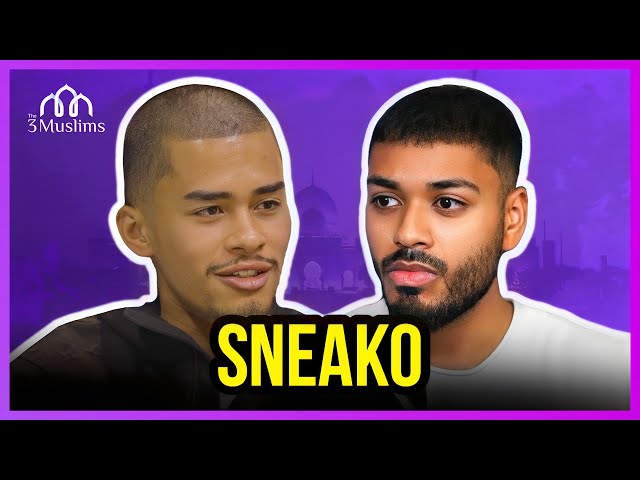
The Sneako Australia controversy has ignited a firestorm of public debate, thrusting controversial streamer Nico ‘Sneako’ Kenn De Balinthazy into the media spotlight once again. Following a series of inflammatory social media posts during his time in Australia, Sneako found himself at the center of allegations regarding hate speech. Reports emerged that the Australian government took swift action, banning him from the country, with officials citing his intent to spread hatred as a primary concern. The uproar reached a peak after Sky News Australia described him as “blatantly anti-Semitic,” raising urgent questions about the implications of his presence in the country. As reactions to Sneako’s provocative statements and subsequent ban continue to ripple through online platforms, the discussion surrounding his controversial viewpoints intensifies, making the need for accountability and reflection more pressing than ever.
The recent tumult surrounding the Australian ban of controversial content creator Nico Kenn De Balinthazy, known as Sneako, has raised significant questions about freedom of expression versus the dangers of hate rhetoric. Following his pointed social media messages this past May, many have expressed concerns over the impact of such statements on divided communities. His provocative declarations ignited reactions across multiple platforms, highlighting the fine line between provocative commentary and outright hate speech. As public figures navigate the complexities of free speech in an age of instant digital communication, the Sneako situation serves as a pivotal example of the challenges faced by regulators in addressing harmful content online. This unfolding narrative not only spotlights Sneako’s actions but also reflects broader societal debates about the responsibilities of influencers in shaping societal views.
The Sneako Australia Controversy: A Timeline
The controversy surrounding Sneako in Australia began to escalate on May 5, 2026, when major news outlets aired reports showcasing the streamer’s contentious social media posts. Accusations of hate speech emerged, with Sky News Australia labeling his rhetoric as ‘blatantly anti-Semitic.’ This sparked a national debate about the platforming of controversial figures like Sneako, who has previously provoked backlash for his inflammatory statements and polarizing online presence. His recent statements during his Australia visit were seen as the culmination of his ongoing pattern of divisive discourse, prompting the question of whether such figures should be allowed entry into countries that uphold values of inclusivity and tolerance.
In response to the media scrutiny, the Australian government took swift action. Home Affairs Minister Troy Burke announced a lifetime ban on Sneako, despite the streamer initially being granted entry for a promotional event. This decision underscored the seriousness with which officials view hate speech and the ramifications it has on societal cohesion. With the wording of the ban explicitly mentioning his intent to ‘spread hatred,’ the situation quickly spiraled, leading to widespread discussions across social media platforms on the implications of allowing such figures to roam freely within our borders.
Following the ban, discussions about freedom of speech versus the responsibility that comes with public platforms erupted across various social media channels. Supporters of Sneako argued that his right to express his views—no matter how controversial—should not be infringed upon, while critics maintained that the government’s actions were justified given his history of spreading harmful ideologies. This dichotomy reflects a broader cultural struggle in today’s society to find the balance between protecting free expression and safeguarding communities from the harm that hate speech can produce.
As the narrative surrounding the Sneako Australia controversy continues to unfold, one thing remains clear: it has ignited conversations around accountability for social media influencers. The potential widespread influence of figures like Sneako on youth and vulnerable populations cannot be overlooked, which is precisely why his recent actions have attracted such serious backlash. As such discussions proliferate, the incident serves as a powerful reminder for society to reflect on the narratives that are allowed to gain traction on platforms designed for public discourse.
Sneako’s Social Media Presence and Its Impact
Nico Kenn De Balinthazy, better known as Sneako, has built a provocative online presence that captivates and horrifies audiences alike. His posts, often laden with contentious themes, serve to stoke the fires of his following while drawing criticism from advocates against hate speech. Notably, his recent messages—such as ‘I am ready to die’—have raised alarms, especially in the context of his activities in Australia. These posts not only reflect his personal state but also resonate with a particular online culture that thrives on shock value and fear-based messaging. For many, these actions highlight significant concerns regarding the influence of digital personalities on susceptible viewers.
With every post, the potential for shaping perceptions and opinions escalates, placing a heavy moral obligation on content creators. As seen in the backlash following his Australian visit, there exists a tangible impact from whatever narratives are perpetuated on social media. The reaction from various audiences is indicative of a larger trend where celebrities and social media influencers are being held accountable not only for their words but also for the dangerous ideologies they may promote. In a world where platforms enable the rapid spread of ideas, understanding the ramifications of these social media interactions has never been more crucial.
Moreover, it is essential to analyze the reactions Sneako elicits across diverse demographic groups. His fans often praise him for his ‘raw honesty,’ believing that he challenges the status quo, whereas detractors argue that he incites division and perpetuates hate. This duality showcases the polarization within social media realms, illuminating how figures like Sneako can simultaneously inspire loyalty and incite outrage. As discussions about his controversial statements continue, they embody a microcosm of the larger discourse surrounding online responsibility and the consequences of unchecked expression.
Ultimately, Sneako’s social media footprint serves as a potent case study for evaluation in the ever-evolving landscape of digital communication. As the lines between personal expression and societal responsibility blur, understanding how to navigate these spaces becomes paramount. Given the pervasive nature of hate speech and its implications on real-world events, the ongoing narratives surrounding Sneako and similar influencers remain at the forefront of critical discourse.
Public Reactions to Sneako’s Messaging
The public’s reaction to Sneako’s controversial messages has been swift and multifaceted, reflecting the polarized nature of contemporary social discourse. Some individuals express a genuine concern about the glorification of aggressive sentiments prevalent in his posts, perceiving them as harbingers of toxic masculinity and dangerous ideologies. For instance, the stark warnings brought forth by media coverage underline a communal anxiety regarding the pervasive influence of figures like Sneako in shaping societal attitudes toward sensitive issues. This reaction encapsulates a growing awareness and pushback against content that is perceived as incendiary or harmful, particularly in the contexts of race and gender.
Conversely, a segment of the online community supports Sneako, arguing that his unorthodox expressions serve as a form of personal autonomy and freedom of speech. They often justify his rhetoric as a necessary provocation that challenges societal norms. This divided perception of Sneako’s messaging points to a larger dilemma many influencers face: balancing authenticity with the potential for societal harm. As a public figure, Sneako bears a significant weight in how his words resonate with both supporters and critics alike, underscoring a complex interplay between media influence and audience sentiment.
The discussion surrounding Nico Sneako’s reactions cuts through various social strata, prominently involving younger audiences who often engage with his content on platforms like X (formerly Twitter). This demographic regards the streamer’s posts through the lens of their unique cultural zeitgeist, where pushing boundaries can sometimes equate to elevated social capital among peers. However, in the wake of significant fallout from his open declaration of a possible ‘death wish,’ many advocates have urged internet users to critically reflect on the implications of normalizing such extreme rhetoric.
As conversations around mental health and online safety gain importance, reactions to Sneako also encourage broader discourse regarding influencer responsibility. Outcry from mental health advocates stresses the necessity for figures who command such attention to approach sensitive subjects with care, emphasizing the potential repercussions their words may yield in a digital landscape rife with vulnerability. Ultimately, understanding the diverse reactions to Sneako’s messaging highlights a constant tension between creative expression and ethical accountability within today’s social media context.
Frequently Asked Questions
What led to the Sneako Australia controversy and his subsequent ban?
The Sneako Australia controversy revolves around Nico ‘Sneako’ Kenn De Balinthazy, who faced significant backlash after allegedly spreading hate speech during his visit to Australia. His social media posts, particularly a concerning message stating “I am ready to die,” raised alarms among officials. Following media coverage by outlets like Sky News Australia, which labeled him as ‘blatantly anti-Semitic,’ Australian Minister of Home Affairs Troy Burke issued a lifetime ban on Sneako, citing concerns over his intentions to spread hatred within the country.
| Key Point | Details |
|---|---|
| Streamer Sneako | Nico ‘Sneako’ Kenn De Balinthazy is a controversial figure in online streaming. |
| Recent Controversy | During his visit to Australia, he posted alarming messages on social media, indicating distress. |
| Ban from Australia | He has reportedly been banned from Australia for allegedly spreading hate speech. |
| Media Coverage | Sky News Australia labeled Sneako as ‘blatantly anti-Semitic’ and raised questions regarding his entry into the country. |
| Official Actions | Australian Minister of Home Affairs, Troy Burke, issued a lifetime ban on Sneako, citing that he intended to spread hatred. |
| Final Message | On May 4, he tweeted, ‘Every soul shall taste death,’ hinting at his mental state. |
Summary
The Sneako Australia controversy revolves around the actions and statements of controversial streamer Nico ‘Sneako’ Kenn De Balinthazy during his visit to Australia, which have sparked significant media attention and public concern. Following alarming posts on social media expressing suicidal thoughts, alongside accusations of hate speech, the situation escalated to the point of legal and official intervention. The Australian government has responded decisively, placing a lifetime ban on Sneako, fueled by media descriptions of his behavior as anti-Semitic. This incident highlights the complexities of free speech online and the responsibilities that come with it, raising critical questions about the boundaries of expression and the implications for influencers and public figures.