Athlete mentorship programs play a crucial role in shaping the future of young sports professionals. These initiatives are designed to provide not only guidance in athletic performance but also essential life skills that help athletes navigate their careers beyond the field. With a focus on youth development programs, these mentorship schemes often integrate sports career coaching and economic sustenance for athletes, aiming to prepare them for various life challenges. Through personalized mentorship, young athletes gain valuable insights into career skills that enhance their off-the-field opportunities. By fostering a holistic development approach, athlete mentorship programs contribute significantly to building a well-rounded and resilient generation of sportspeople.
Programs aimed at guiding emerging sports stars toward successful futures are becoming increasingly vital in today’s competitive landscape. These athlete guidance initiatives encompass various facets of personal and professional growth, emphasizing life skills and vocational training that support athletes long after their competitive days. By offering education on career opportunities and promoting economic sustainability, these schemes play a pivotal role in youth empowerment. The symbiosis of athletic talent with strategic mentorship can lead to comprehensive athlete development, ensuring that sports professionals are equipped for both field and life’s challenges. Ultimately, the integration of holistic training into sports programs fosters a new generation that excels in both athletics and economic stability.
The Impact of Athlete Mentorship Programs on Youth Development
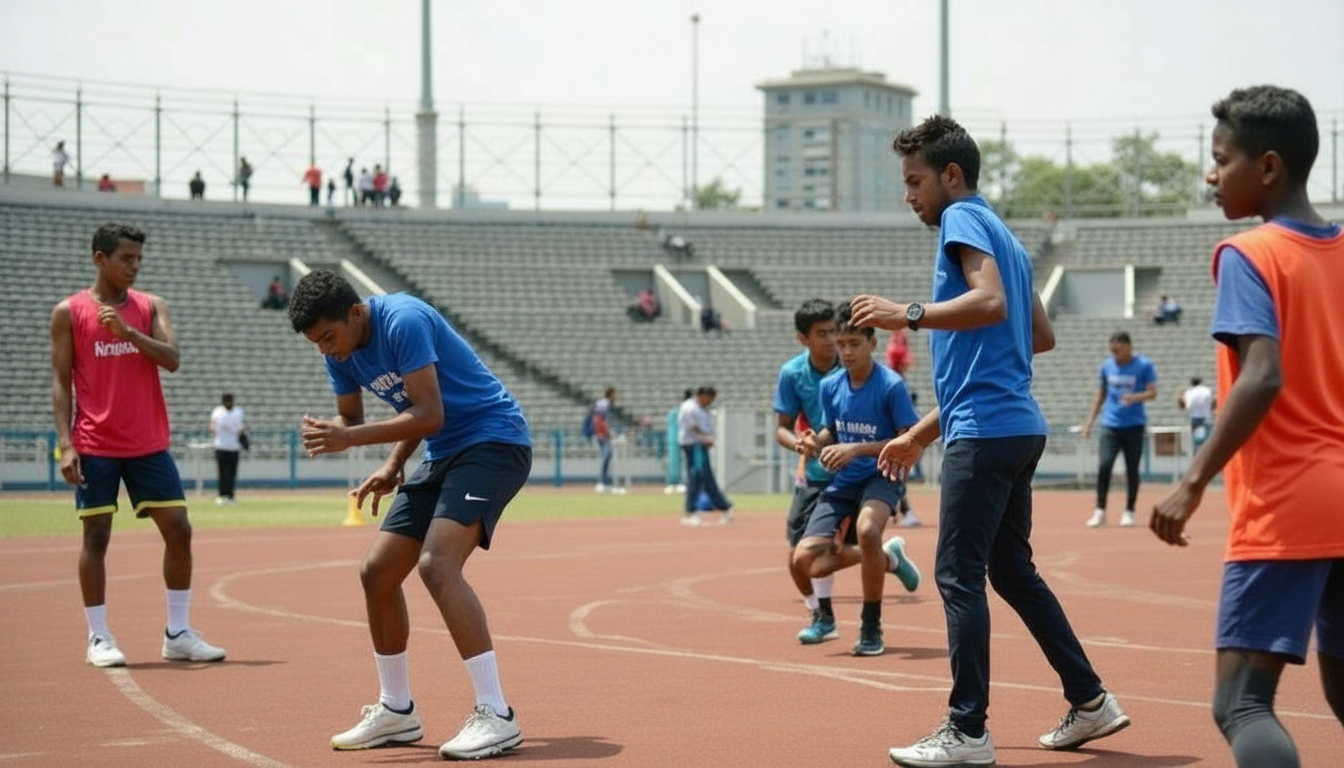
Athlete mentorship programs have immense potential to transform the lives of young sports enthusiasts. By pairing experienced mentors with budding athletes, these programs create a supportive environment where youth can acquire essential life skills and career awareness. The Nagaland Department of Youth Resources and Sports has launched such initiatives, aimed specifically at fostering holistic development among student athletes. Mentors guide these young talents through various challenges, helping them navigate educational demands alongside their sporting commitments. This dual focus on personal growth and athletic excellence ensures that athletes are not only prepared for competitive sports, but also for successful careers beyond the field.
Moreover, mentorship programs contribute significantly to youth development by instilling discipline, resilience, and a sense of responsibility. Participating athletes are educated on fundamental career skills, which are crucial for their transition into the workforce. This education is instrumental in helping young athletes understand the importance of balancing sports with academics and future employment. As they interact with mentors, athletes gain insights into potential career paths, equipping them with the tools necessary for achieving sustained success, both in sports and in their professional lives.
Skills Development: Preparing Athletes for Economic Sustenance
The Skill-Based Economic Sustenance Programme for Athletes is a pioneering initiative designed to enhance the economic resilience of young athletes. By providing training in practical skills such as mobile phone repair, baking, and food processing, the program addresses the fundamental need for athletes to secure livelihoods once their sports careers end. This initiative not only prepares athletes for real-world challenges but also empowers them to become entrepreneurs, thereby fostering economic independence. Training modules are strategically structured to ensure that participants receive in-depth, expert-led instruction followed by hands-on experience, thus enhancing their employability and entrepreneurial capabilities.
In addition to improving career prospects, these skill development programs promote self-sufficiency and financial stability. By engaging in vocational training, young athletes can explore alternative avenues for income generation, ensuring they are equipped to handle post-sporting career challenges. This approach aligns with broader youth development programs aimed at creating comprehensive support systems for athletes, thereby highlighting the importance of integrating athletic training with practical life skills. Ultimately, economic sustenance for athletes is paramount in achieving sustainable success, allowing them to thrive even after their sporting careers have concluded.
Balancing Sports and Education: A Holistic Approach to Athlete Development
The challenge of balancing sports and education is a critical concern for young athletes, and this is where holistic athlete development programs shine. The Nagaland Department of Youth Resources and Sports recognizes the need for a coordinated approach that addresses both athletic performance and personal growth. By incorporating mentorship alongside traditional coaching, these programs cultivate an environment that nurtures the full spectrum of an athlete’s capabilities. Athletes receive guidance not only on their sporting performance but also on academics and life skills that are vital for their future.
This holistic approach ensures that athletes are better prepared to face life’s various challenges, from managing time effectively to making informed career choices. Regular mentorship interactions empower young athletes to set realistic goals and maintain their academic performance while pursuing their passion for sports. With support from experienced mentors, athletes learn valuable lessons in balancing commitments and developing resilience—a crucial trait that will serve them well beyond their athletic endeavors.
Career Skills for Athletes: Charting a Path Beyond Sports
Acquiring career skills is essential for athletes, particularly as they transition from competitive sports into the workforce. The skills gained through the mentorship and economic sustenance programs are not merely practical; they are life-defining. Young athletes involved in these programs are exposed to a variety of vocational pathways, leaving them better equipped to explore diverse career opportunities. This foresight is crucial, as not all sports careers are sustainable in the long term, and having a robust skill set ensures that these individuals can adapt and thrive in different environments post-sport.
The integration of career skills training into athlete development programs also helps foster an entrepreneurial mindset among participants. They are encouraged to think creatively and develop innovative solutions that can lead to self-employment or startups. This aspect of training can significantly impact their future socioeconomic status, as it promotes financial literacy and business acumen, setting the stage for economic empowerment. Consequently, these efforts are not just about preparing athletes for immediate post-sport careers; they are about ensuring long-term success and stability.
Vocational Training: A Key Component of Athlete Success
Vocational training is increasingly recognized as a vital aspect of athlete development, providing practical skills that align with market demands. As part of initiatives like the Skill-Based Economic Sustenance Programme, athletes gain competencies that can be directly applied in various industries, enhancing their employability. This hands-on training empowers them to generate income and supports their overall economic sustenance. By learning trades such as food processing, floristry, and mobile repair, athletes build a diverse skill set that prepares them for various job markets, ensuring they are not limited to traditional career paths.
Importantly, vocational training also engages athletes in lifelong learning, encouraging them to become adaptable to changing job landscapes. The practical experience gained through these programs enhances confidence and self-efficacy, essential characteristics that foster career advancement. This initiative is designed to address not just the immediate needs of athletes but also their long-term career aspirations, creating pathways for success outside the realm of sports. Furthermore, the development of entrepreneurial skills through vocational training helps athletes envision their future roles not just as employees but as business owners and community leaders.
The Role of Coaches in Athletes’ Personal Development
While coaches primarily focus on enhancing athletic performance, their role extends beyond the playing field. Coaches often play a significant part in an athlete’s personal development, helping them develop critical life skills such as teamwork, communication, and discipline. Through daily training sessions and competitions, athletes learn the importance of setting goals, maintaining dedication, and building resilience—traits essential for success in both sports and life. These lessons imparted by coaches become fundamental building blocks that enhance athletes’ overall welfare and personal growth.
Additionally, the collaboration between coaches and mentors can amplify the positive effects of athlete development programs. As coaches concentrate on refining physical skills, mentors support emotional and academic needs, creating a comprehensive framework for growth. This partnership enables a nurturing environment where young athletes feel supported at multiple levels—be it academic pressures or personal challenges. Thus, the combined efforts of coaches and mentors reinforce a culture of holistic development that prioritizes the future welfare of athletes, ensuring they are well-prepared for life after sports.
Emphasizing Mental Well-Being in Athlete Development Programs
Mental well-being is an often-overlooked aspect of athlete development, yet it plays a crucial role in achieving both sports and life goals. Recognizing this, the Nagaland athlete mentorship programs prioritize mental health as part of their holistic development approach. By integrating discussions around mental fitness, stress management, and emotional resilience into their frameworks, these programs help athletes to mature emotionally and mentally. Mentors are trained to recognize signs of burnout or mental distress, thereby offering a support system that champions psychological well-being alongside physical training.
Fostering a positive mental space is vital in preparing athletes for the pressures of competition, as well as the challenges they’ll face in their careers after sports. Earlier investments in mental health training can cultivate self-awareness, equip athletes with coping mechanisms, and ultimately contribute to sustained performance satisfaction. Ensuring mental well-being is part of athlete training ensures that individuals do not just succeed in sports but also develop the emotional intelligence necessary to thrive in various life arenas.
Empowering Young Athletes Through Community Engagement
Community engagement plays an essential role in the development of young athletes, as it provides a platform for practical learning and skill application within their surroundings. By participating in community projects and outreach programs, athletes not only contribute positively to society but also enhance their own life skills and social awareness. This engagement activities can range from volunteering in local events to conducting workshops that focus on promoting sports as a means of personal development. Such experiences can significantly broaden the horizons for young athletes, showing them the impact their actions can have on others.
Furthermore, by being part of community initiatives, young athletes have the chance to build networks that can be beneficial for their sporting and professional futures. The skills acquired through engagement—such as leadership, communication, and teamwork—are transferable and invaluable in any career. This interconnectedness between personal growth and community involvement underscores a crucial aspect of athlete development programs: fostering a sense of responsibility that extends beyond the self. Ultimately, the dual focus on sports and community strengthens not only the athlete’s personal foundation but also enriches the lives of those around them.
Integrating Life Skills into Athlete Training for Future Success
Incorporating life skills into athlete training is fundamental for preparing them for the complexities of adulthood beyond sports. The mentorship programs initiated by the Nagaland Department of Youth Resources and Sports emphasize the development of soft skills, including time management, critical thinking, and teamwork. These skills are integral to navigating both personal and professional life, equipping athletes to face diverse challenges head-on. Mentors play a significant role in delivering these lessons, ensuring that athletes are not just trained physically but also mentally for future endeavors.
The focus on life skills development aligns seamlessly with the athletic training model by creating a synergy between sports performance and everyday capabilities. By learning how to balance their commitments to sport with academic responsibilities and personal development, athletes are prepared for future success in any career path they choose. This holistic strategy fosters well-rounded individuals who excel not only in sports but also contribute positively to society, ultimately redefining what it means to be an athlete.
Frequently Asked Questions
What are the benefits of athlete mentorship programs for young athletes?
Athlete mentorship programs, like the one launched by the Nagaland Department of Youth Resources and Sports, provide vital support in youth development by offering guidance on life skills, career awareness, and personal development. These programs connect young athletes with experienced mentors who help them navigate the challenges of balancing academics and sports, while preparing them for future employment. By focusing on holistic development, athletes gain valuable insights into maintaining their well-being, discipline, and career planning, all of which contribute to their success both in and out of sports.
| Key Points | Description |
|---|---|
| Launch of Initiatives | The Nagaland Department of Youth Resources and Sports launched two programs on June 9 to support young athletes. |
| Programs Details | Mentorship Programme for Holistic Development and Skill-Based Economic Sustenance Programme. |
| Mentorship Program | 11 department officers will mentor about 140 athletes focusing on academics, mental health, and life skills. |
| Skill-Based Program | Aimed at athletes aged 15+, focusing on vocational skills training like mobile repair, food processing, etc. |
| Duration | Mentorship lasts until March next year; Skill-Based program runs from June to October. |
| Goal of Programs | To prepare athletes for life beyond sports, by offering personal development and economic opportunities. |
Summary
Athlete mentorship programs play a pivotal role in shaping a holistic future for young sportspeople. The newly launched initiatives by the Nagaland Department of Youth Resources and Sports reflect a comprehensive approach toward athlete welfare, focusing not only on sporting excellence but also on personal and professional growth. By combining mentorship with vocational training, these programs empower athletes to build sustainable futures beyond their competitive careers. With a dedicated support system in place, young athletes can enhance their life skills, engage with potential career paths, and gain economic resilience, ensuring that their success is not solely measured in medals but also in holistic life achievements.