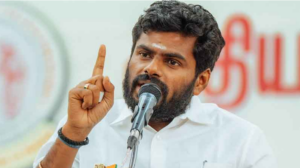
As the excitement builds for the Tamil Nadu Elections, the political landscape is rife with anticipation and speculation. The 2026 Tamil Nadu elections are shaping up to be a pivotal moment, especially with key figures like M.K. Stalin and the AIADMK preparing to face off against emerging candidates. Recent developments have cast a shadow over Annamalai BJP, who notably missed out on the BJP candidate list amidst whispers of alliances and leadership struggles. With the weight of public expectation resting on their shoulders, all eyes will be on how these dynamics unfold in the upcoming electoral battle. Will the BJP’s strategies and contestant choices turn the tide in their favor, or will established parties like AIADMK maintain their stronghold over Tamil Nadu politics?
The electoral scene in Tamil Nadu is heating up as the countdown to the elections approaches, with various parties jockeying for position. Key contenders, including seasoned politicians like M.K. Stalin, are gearing up for a fierce competition against the backdrop of shifting alliances and emerging candidates. Discussions regarding the BJP candidate list have stirred conversations around Annamalai’s role and his unexpected exclusion, raising questions about the BJP’s strategy in these crucial elections. The 2026 Tamil Nadu elections promise to be a defining moment in the state’s political narrative, especially when considering the impact of caste dynamics and voter sentiment. As the power struggle unfolds, the outcomes could reshape the political landscape for years to come.
Annamalai’s Absence in the BJP Candidate List
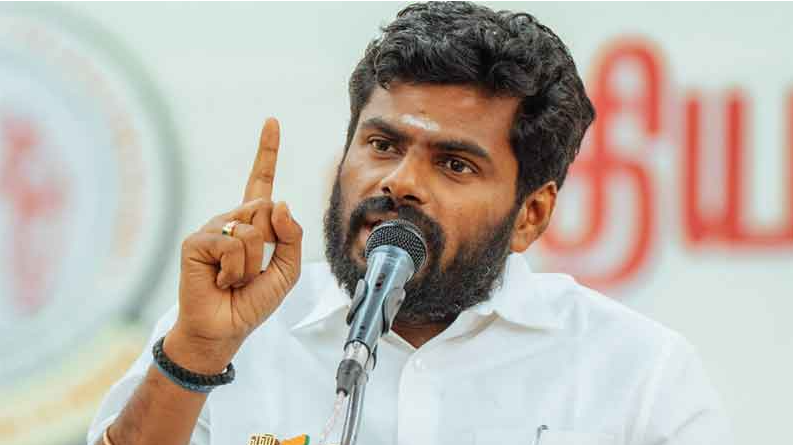
The recent political landscape in Tamil Nadu is marked by intriguing developments as the 2026 Tamil Nadu elections approach. One of the most surprising announcements came when the BJP unveiled its candidate list, notably lacking the prominent name of Annamalai, the party’s state president and a key figure in Tamil politics. His absence casts a shadow over the BJP’s strategy, raising questions about internal dynamics and leadership choices within the party. Observers speculate that Annamalai’s exclusion may signify a shift in the BJP’s approach, perhaps favoring alliances that could be more advantageous in a state where caste and local sentiments play a crucial role.
Annamalai’s leadership has often been characterized by his fiery rhetoric against rival parties, particularly the DMK led by M.K. Stalin. His supporters argue that this omission does not reflect his competence or popularity, but rather a strategic maneuver by the BJP to forge necessary alliances, particularly with regional parties like AIADMK that could bolster their voter base. The 2026 elections are crucial, and the BJP’s tactics might involve prioritizing collaborative efforts over individual candidates, underscoring a broader strategic recalibration as Tamil Nadu remains a politically complex battleground.
The Role of Alliances in 2026 Tamil Nadu Elections
As the political climate heats up ahead of the 2026 Tamil Nadu elections, the significance of alliances has never been more pronounced. Political analysts suggest that for parties like the BJP and AIADMK, forming a united front could be essential in challenging the incumbent DMK. The BJP, despite lacking a significant foothold in the state, recognizes that collaboration with parties like AIADMK could amplify their reach and influence. This partnership may appeal to voters disenchanted with the current administration’s governance, particularly those frustrated with issues related to corruption and mismanagement, a sentiment that Annamalai has often championed in his campaigns.
In light of these developments, the BJP’s strategic alliance may signal a pragmatic approach to regional politics. Political leaders emphasize that the collective strength of allied parties can significantly alter the electoral dynamics in Tamil Nadu. With Anbumani Ramadoss contesting in 18 seats and AIADMK playing its cards wisely, the election will test whether these alliances can coalesce into a formidable force against M.K. Stalin’s DMK. Such strategic partnerships highlight the evolving nature of Tamil Nadu’s electoral scenario, where coalition dynamics may ultimately determine the future political landscape of the state.
Caste Dynamics and Electoral Landscape
The interplay of caste politics continues to shape the electoral landscape in Tamil Nadu, especially as the 2026 elections draw near. Caste-based alliances and party affiliations play a pivotal role in influencing voter behavior. Annamalai’s absence from the BJP candidate list raises questions about the handling of caste dynamics by party leaders and whether the BJP is adapting its strategies to better resonate with different socio-political groups within the state. As caste often dictates loyalty and voting patterns in Tamil Nadu, the selection of candidates will be crucial in bridging gaps between various communities.
Moreover, political parties are increasingly aware that the dynamics of caste can either enhance or undermine their appeal. Annamalai’s appeal amongst certain demographic groups is undeniable, and his absence from the candidate list might alienate potential supporters not adequately represented by other candidates. As Tamil Nadu approaches the elections, understanding and effectively addressing caste affiliations will be critical for all parties, including the BJP, in enhancing their prospects and securing electoral victories. Thus, navigating these complex social structures will be a decisive factor for any party aiming to succeed in the 2026 Tamil Nadu elections.
M.K. Stalin’s Response to BJP Strategies
Incumbent Chief Minister M.K. Stalin has been actively monitoring the political chessboard as the BJP and AIADMK strategize for the upcoming 2026 elections. His administration is particularly focused on dismantling the narratives pushed by the opposition regarding corruption and governance. With Annamalai’s vocal critiques and the implications of caste dynamics at play, Stalin’s responses are tailored to reassure voters regarding the efficacy of his government. The DMK’s stronghold in Tamil Nadu hinges on its ability to effectively counter opposition claims while reinforcing its achievements in governance.
Stalin’s approach not only involves addressing the electorate’s concerns about the DMK but also keeping a keen eye on the electoral tactics of the BJP. The chief minister has reiterated his commitment to transparency and development, which resonate with voters who have historically aligned the party with progress and social equity. As the election draws nearer, M.K. Stalin must continue to adapt his strategies to counter the evolving narratives of his opponents, ensuring that the DMK remains seen as a beacon of stability amidst the shifting tides of political alliances and candidate selections being implemented by opposition parties.
AIADMK’s Strategy for the Elections
As the 2026 Tamil Nadu elections near, AIADMK is gearing up with a focused strategy to regain its influence in the state. Recognizing the changing political scenarios, particularly with the BJP’s evolving partnerships, AIADMK’s leadership is strategizing to position itself as a formidable alternative to the DMK’s dominance. With Anbumani Ramadoss confirmed for several seats, AIADMK is keen on leveraging its rich historical connections and voter networks built over years in Tamil Nadu. The party is attempting to consolidate its base while also appealing to voters who may be dissatisfied with the current government’s performance.
The AIADMK’s approach involves not just targeting traditional loyalists but also reaching out to those who might sympathize with Annamalai’s critique of the DMK. This dual strategy could potentially disrupt the DMK’s stronghold on voters, especially in areas affected by caste concerns and economic dissatisfaction. The evolving party strategies leading up to the elections will be pivotal in dictating the overall direction of Tamil Nadu politics, as the AIADMK aims to maximize its influence and secure victory against the backdrop of a divided opposition.
Frequently Asked Questions
What factors contributed to Annamalai’s omission from the BJP candidate list for the Tamil Nadu Elections?
Annamalai’s exclusion from the BJP candidate list for the 2026 Tamil Nadu elections is attributed to an alliance strategy focused on leadership dynamics. Speculations suggest that the BJP prioritized consolidation through broader coalitions, despite Annamalai’s vocal criticisms of the DMK and his appeal to voters dissatisfied with government corruption. The BJP’s decision reflects a complex balance of local politics and the significance of caste considerations, possibly favoring candidates like Anbumani Ramadoss, who is positioned to contest in 18 seats.
| Key Points |
|---|
| Annamalai missed the BJP candidate list for Tamil Nadu Elections due to alliance considerations. |
| M.K. Stalin is the principal opposition, while AIADMK may play a pivotal role. |
| Anbumani Ramadoss will be contesting in 18 seats, indicating a strategic plan within alliances. |
| Caste dynamics are expected to significantly influence voter behavior in the upcoming elections. |
| Annamalai has held a significant leadership role as the BJP chief in Tamil Nadu, impacting party strategies. |
Summary
The Tamil Nadu Elections are crucial as they set the stage for a significant political contest in the state. In these elections, Annamalai’s absence from the BJP candidate list raises questions about the leadership dynamics within the party and its alliances. With M.K. Stalin representing the main opposition and the strategic entry of candidates like Anbumani Ramadoss, the political landscape is poised for intense competition. Additionally, the role of caste politics cannot be overlooked, as it will likely sway the opinions and decisions of voters across Tamil Nadu. The outcome of these elections will greatly shape the future of Tamil Nadu’s political fabric.