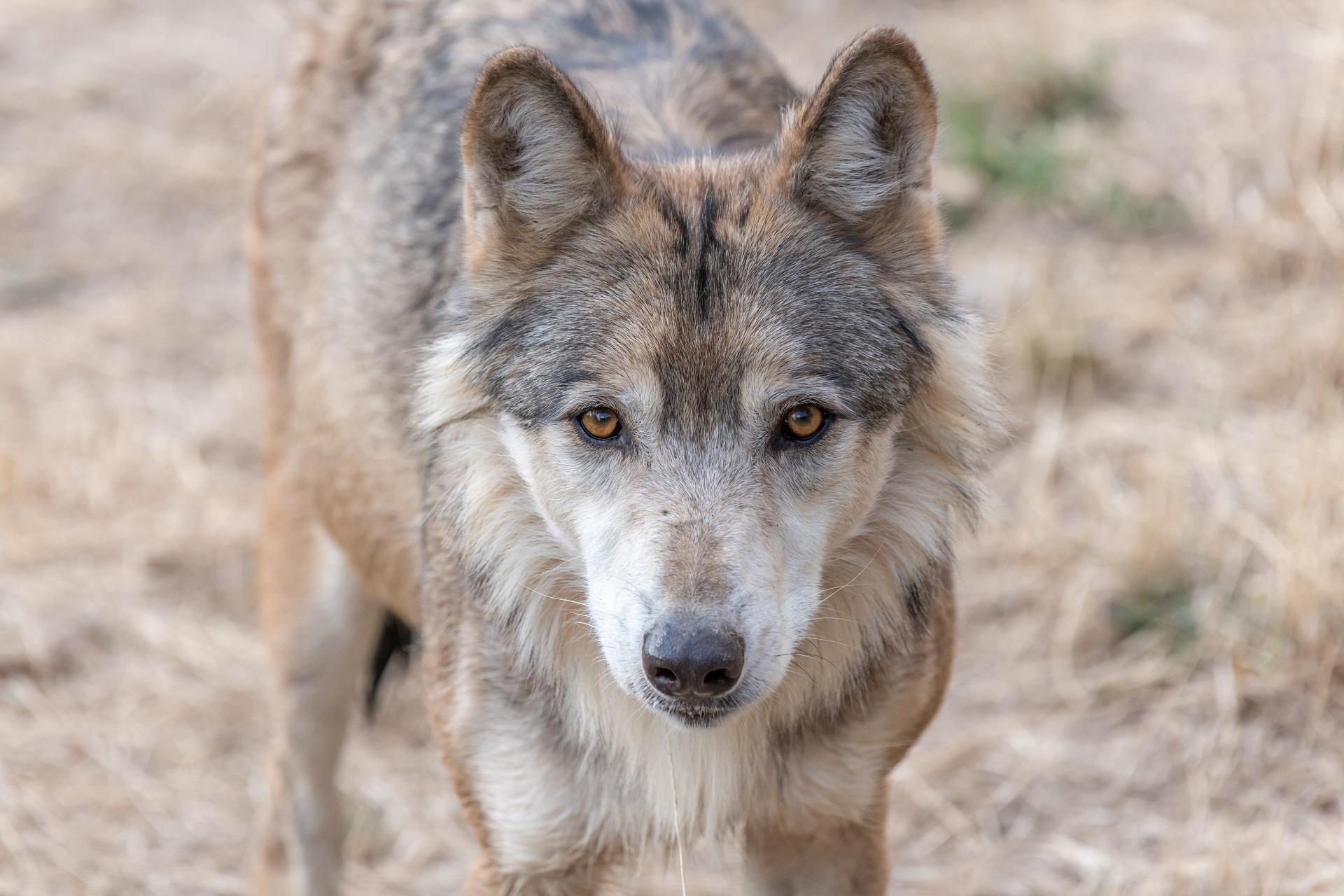
Himalayan apex predators exhibit a fascinating dynamic within their rugged ecosystem, captivating researchers and nature enthusiasts alike. Among these elite hunters, snow leopards, common leopards, and Himalayan wolves have revealed an unexpected harmony in Nepal’s Lapchi Valley, a finding that challenges long-held beliefs about predator territories. Rather than competing for the same prey, these magnificent animals have carved out unique dietary niches, allowing them to coexist in a delicate balance. This groundbreaking study sheds light on how this predator coexistence is crucial to maintaining ecological integrity in the Himalayas. As climate change and human encroachment threaten their habitats, understanding these predator relationships becomes increasingly vital to their survival.
In the majestic heights of the Himalayas, formidable hunters dominate the landscape, showcasing the intricate web of life in this secluded realm. Within the shadowy recesses of Nepal’s Lapchi Valley, an in-depth inquiry into the lives of the region’s top carnivores—snow leopards, common leopards, and Himalayan wolves—uncovers staggering insights into their coexistence. This captivating study brings to light how these apex predators, each with its unique hunting strategies and prey preferences, avoid direct competition by utilizing the available resources differently. The harmony found among these apex hunters speaks volumes about the resilience of the Himalayan ecosystem, echoing the urgent need to preserve their fragile habitats against looming threats.
Himalayan Apex Predators: Dietary Preferences and Coexistence
The Himalayan apex predators, namely the snow leopard, common leopard, and Himalayan wolf, demonstrate remarkable adaptability in their dietary preferences, which directly influences their coexistence in the rugged terrains of the Lapchi Valley. Instead of adhering to the age-old belief that these predators occupy distinct territories, the study reveals that their success lies in their ability to exploit different resources. Snow leopards primarily hunt wild ungulates such as blue sheep and musk deer. In contrast, common leopards have adapted to a more opportunistic approach, often preying on livestock and smaller animals that venture near human settlements, highlighting the diversity in feeding strategies that allows these apex predators to thrive side by side without direct competition for food.
Furthermore, the findings from the Lapchi Valley study suggest that the Himalayan wolves, which possess a mixed diet, act as an intermediary between these two distinct dietary niches. By preying on both wild and domestic animals, wolves help maintain the balance within this ecosystem, ensuring that resource use among the predators does not result in prolonged conflict. This unique predator coexistence emphasizes the intricate relationships formed within ecosystems and the crucial role of dietary habits in shaping wildlife dynamics, especially in high-stress environments like the Himalayas.
Understanding the Impact of Human Activity on Himalayan Wildlife
The delicate balance of predator coexistence in the Himalayas is increasingly threatened by human activities, including habitat encroachment and climate change. As common leopards move into higher altitudes previously occupied by snow leopards, the competition for resources intensifies, risking the stability of this unique predator community. Researchers have noted significant shifts in the habitats of these apex predators, with the rising tree lines and expanding agricultural development forcing them to adapt or face declines in their populations. This trend poses grave consequences not only for species like the snow leopard, classified as vulnerable on the IUCN Red List, but also for the entire ecosystem.
Additionally, the misattribution of livestock predation is becoming a critical issue, with common leopards often being blamed for the losses incurred by livestock owners. The snow leopards, well-known in the region, frequently bear the brunt of this blame, leading to retaliatory killings that further exacerbate their vulnerability. Conservationists stress the urgency for practical solutions that could alleviate human-wildlife conflict, emphasizing the need for community education and sustainable practices that acknowledge the ecological roles of these apex predators. Protecting the intricate balance of predator coexistence is essential not only for ensuring the survival of the species but also for maintaining the biodiversity that characterizes the Himalayan ecosystems.
The Ecological Significance of Predator Coexistence
The ecological significance of the coexistence of Himalayan apex predators cannot be overstated. These apex carnivores play a crucial role in maintaining the balance within their ecosystems, influencing the populations of herbivores and, consequently, the health of the entire landscape. By regulating the numbers of species like blue sheep and musk deer, snow leopards help prevent overgrazing, thereby allowing vegetation to flourish and supporting diverse plant and animal life in the region. The study highlights how the dietary specialization of each predator allows them to fill different ecological niches, thus promoting biodiversity and resilience in the Himalayan ecosystem.
Moreover, this predator coexistence model serves as a template for understanding ecological dynamics worldwide. It challenges traditional views on territorial behavior among carnivores, suggesting that dietary preferences and strategies are essential in viewing predator interactions. As conservation efforts continue to evolve, recognizing and preserving these nuanced relationships in the Himalayas will be critical for ensuring the survival of these magnificent apex predators and the overall health of their habitats.
Research Innovations in the Lapchi Valley
Innovative research methods employed in the Lapchi Valley have contributed significantly to our understanding of predator behavior and coexistence. Utilizing advanced camera trapping techniques combined with fecal DNA analysis, researchers have been able to ascertain the dietary habits of snow leopards, common leopards, and Himalayan wolves with unprecedented accuracy. This multi-faceted approach allows for real-time observation of these elusive predators and provides valuable insights into their interactions and habitat preferences. The combination of technology and ecological study presents a template that can be replicated in other regions to further explore predator dynamics and conservation strategies.
The six-year-long study emphasizes the importance of thorough, scientific inquiry in wildlife research. Results from the Lapchi Valley not only challenge existing perceptions of predator behavior but also underscore the importance of adaptability in conservation practices. As the pressures of climate change and human encroachment intensify, it is vital to implement research-driven policies that can evolve with the landscape, ensuring the survival of the Himalayan apex predators and the ecological integrity of their environment.
Implications of Climate Change on Himalayan Biodiversity
Climate change poses a severe threat to the delicate equilibrium maintained by the Himalayan apex predators. Rising temperatures and altered precipitation patterns are shifting habitats and influencing the distribution of both prey and predator species. As the snow leopards navigate these changes, they find their territories shrinking due to encroaching common leopards, thus pressuring them to adapt to new realities. This species migration not only affects predator dynamics but also has profound implications for the broader Himalayan ecosystem, potentially leading to a decline in biodiversity if apex predators like the snow leopard continue to lose their ground.
Beyond their immediate environment, the ramifications of these shifts extend to the entire food web. The study in the Lapchi Valley illustrates that as competition increases due to climatic spurs, the essential roles that these predators play in controlling prey populations and promoting biodiversity become more critical than ever. Conservation efforts must address the complexities of climate impacts holistically, ensuring that adaptive management strategies are in place to support wildlife and mitigate risks associated with changing climatic conditions.
Challenges Facing Himalayan Wolf Populations
While the coexistence narrative paints a hopeful picture of Himalayan apex predators, the Himalayan wolf populations face unique challenges that threaten their survival. As detailed in the Lapchi Valley study, these wolves are extremely adaptable, yet their mixed diet often puts them in competition with both snow leopards and common leopards. This adaptability, while beneficial in diverse habitats, can lead to precarious situations, especially as human activities continue to encroach upon their natural territories. Increased interactions with livestock can spur conflicts that jeopardize their populations, underscoring the need for targeted conservation strategies.
Furthermore, the perception of wolves as mere competitors to livestock instead of keystone species can lead to detrimental policy outcomes. Conservationists emphasize the importance of re-framing public perceptions to recognize the ecological value of Himalayan wolves in maintaining ecological balance. Implementing educational programs aimed at local communities can help garner support for wolf conservation, promoting healthier coexistence between these apex predators and human interests.
Livestock Protection and Himalayan Ecosystem Stability
As the Lapchi Valley study illustrates, the dynamics between livestock and predators are critical to maintaining ecosystem stability in the Himalayas. With livestock grazing often infringing upon natural habitats, the need for effective livestock protection becomes paramount. By employing non-lethal deterrents and educating farmers on coexistence strategies, it is possible to reduce retaliatory killings of snow leopards and other predators. Understanding these relationships can facilitate a more sustainable approach to agriculture in the region, helping to create a safer environment for both livestock and wildlife.
Simultaneously, the well-being of local communities depends significantly on a balanced ecosystem that relies on apex predators like snow leopards and Himalayan wolves. The health of prey populations, managed by these predators, supports not just the unique biodiversity of the region but also the livelihoods of those who rely on the land. Fostering harmonious relationships between conservation practices and agricultural demands is vital for ensuring the continued existence of these Himalayan apex predators.
Future Directions for Conservation Research in the Himalayas
Looking ahead, the conservation of Himalayan apex predators requires innovative and dynamic research methodologies that adapt to emerging challenges. The findings from the Lapchi Valley study offer a foundation for future investigations into predator coexistence, habitat utilization, and dietary preferences across different geographical contexts. Researchers must consider incorporating technological advancements like satellite telemetry and genetic studies to further explore wildlife movements, population dynamics, and ecological impacts driven by climate change.
Moreover, establishing collaborative conservation frameworks that involve local communities, governments, and conservation organizations will be pivotal in safeguarding these unique ecosystems. By leveraging community knowledge alongside scientific research, future conservation efforts can be more effective and sustainable, ensuring the long-term survival of Himalayan apex predators and the rich biodiversity they support.
Frequently Asked Questions
What role do dietary preferences play in the coexistence of Himalayan apex predators like snow leopards and common leopards?
A recent study in Nepal’s Lapchi Valley reveals that dietary preferences are crucial for the coexistence of Himalayan apex predators. Snow leopards primarily hunt wild ungulates, such as blue sheep and musk deer, while common leopards tend to prey on livestock and smaller animals in proximity to human settlements. Himalayan wolves have a mixed diet that includes both wild prey and domestic animals, allowing these apex predators to inhabit the same territory without direct competition.
| Key Point | Details |
|---|---|
| Three Coexisting Apex Predators | Snow leopards, common leopards, and Himalayan wolves coexist in Nepal’s Lapchi Valley. |
| Dietary Preferences | Snow leopards feed on wild ungulates, common leopards prey on livestock and smaller animals, while wolves have a mixed diet. |
| Study Findings | The study involving camera trapping and fecal analysis highlights that diet, not territory, allows these predators to coexist peacefully. |
| Unexpected Harmony | Three species have different diets leading to an unspoken truce despite occupying the same habitat. |
| Ongoing Threats | Climate change and habitat alteration are pushing leopards into snow leopard territories, disrupting the delicate balance. |
Summary
Himalayan apex predators reveal an intricate balance of life in Nepal’s Lapchi Valley, showcasing a rare harmony among snow leopards, common leopards, and Himalayan wolves. Contrary to the long-held belief that these formidable hunters would operate within distinctly divided territories, this groundbreaking study demonstrates that their coexistence is finely tuned through different dietary needs. Each predator plays its own role in this fragile ecosystem, relying on a unique set of prey that allows them to avoid direct competition. As researchers delve deeper into the habitats and behaviors of these animals, concerns about climate change and its impact on their habitats loom large. The Himalayan region stands as a testament to resilience and adaptability, yet it is imperative to continue protecting these apex predators to ensure the balance of life in the mountains endures.