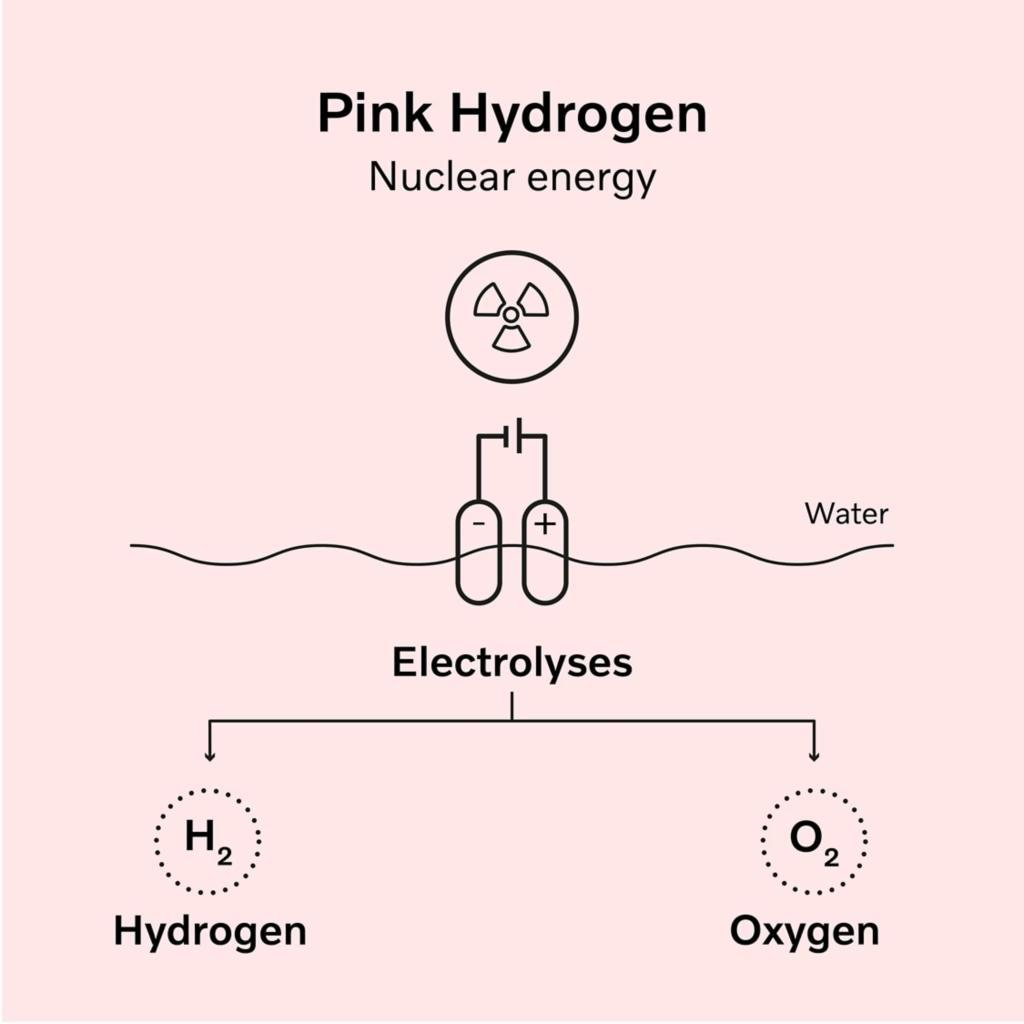
Nuclear hydrogen production represents a groundbreaking advancement in the quest for clean energy solutions. Utilizing the heat generated by nuclear reactors, this innovative method allows for the generation of hydrogen without the carbon emissions typically associated with fossil fuels. For instance, India’s pilot facility at the Indira Gandhi Centre for Atomic Research employs the Copper-Chlorine cycle, showcasing how hydrogen from nuclear energy can be harnessed efficiently. As countries worldwide seek sustainable alternatives, pink hydrogen—derived from nuclear sources—has emerged as a key player in the hydrogen economy. With its ability to provide a stable and reliable output compared to renewable sources, nuclear-assisted clean hydrogen production could pave the way for significant reductions in industrial carbon footprints.
The emergence of hydrogen production via nuclear energy marks a significant evolution in energy generation practices. Often referred to as pink hydrogen, this type of hydrogen production draws on the high-temperature heat from nuclear reactors rather than conventional electricity sources, highlighting a cleaner approach to fuel generation. When integrated with systems like the Copper-Chlorine cycle, this method not only minimizes carbon emissions but also enhances the overall efficiency of hydrogen extraction. As industries aim to decarbonize, hydrogen derived from nuclear sources presents a promising solution, ensuring a continuous supply that aligns with the demands of modern industrial applications. Through innovative strategies in nuclear energy applications, the potential for sustainable hydrogen production is expanding, signaling a pivotal shift in how we envision energy for the future.
Understanding Nuclear Hydrogen Production and Its Benefits
Nuclear hydrogen production employs advanced technologies to generate hydrogen through sustainable methods, as seen in India’s pioneering pilot facility at the Indira Gandhi Centre for Atomic Research. By utilizing high-temperature heat from a nuclear reactor rather than conventional electricity, this facility showcases the innovative potential of nuclear energy applications in clean hydrogen generation. This process, often referred to as pink hydrogen, signifies an essential step towards reducing carbon emissions generated from traditional hydrogen production methods like steam methane reforming.
The key advantage of producing hydrogen using nuclear energy lies in its continuous, reliable output. Unlike renewable sources, which can be intermittent, nuclear reactors provide a stable heat source for hydrogen generation. This ensures that industries requiring hydrogen, from fertilizer production to steel manufacturing, can access a consistent and clean supply that facilitates their decarbonization goals. The growing acknowledgment of nuclear hydrogen production underscores its vital role in advancing sustainable energy solutions.
Exploring the Copper-Chlorine Cycle for Clean Hydrogen
The Copper-Chlorine (Cu-Cl) thermochemical cycle is a groundbreaking method for producing clean hydrogen without the need for fossil fuels or electricity. By leveraging high-temperature heat from a nuclear reactor, this cycle effectively splits water into hydrogen and oxygen, demonstrating significant efficiency advantages over traditional methods. In particular, the Cu-Cl cycle minimizes energy losses associated with heat-to-electricity conversions, allowing for more hydrogen to be generated from the same energy input. This efficiency is pivotal as the global demand for hydrogen continues to rise.
Utilizing the Copper-Chlorine cycle in conjunction with nuclear energy resources positions this method as a prime candidate for large-scale hydrogen production. The technology’s closed-loop approach, where copper and chlorine compounds are endlessly recycled, contributes to a zero-emission output. By integrating this innovative cycle with existing nuclear infrastructures, industries can meet their hydrogen needs sustainably, meeting the dual goals of energy security and environmental responsibility.
The Role of Pink Hydrogen in Decarbonization
Pink hydrogen, generated using nuclear energy, plays a transformative role in the global shift towards decarbonization. This hydrogen variant distinguishes itself from green hydrogen, which is produced from renewable resources, by utilizing the stable and consistent output of nuclear reactors. This capability allows for uninterrupted hydrogen production, providing industries reliant on hydrogen, such as fertilizer and steel, with a viable alternative to fossil fuel-derived hydrogen. As the world increasingly seeks to mitigate climate change, pink hydrogen emerges as a crucial player in reducing greenhouse gas emissions while maintaining industrial productivity.
The production of hydrogen through nuclear energy also alleviates reliance on conventional energy sources for hydrogen. By positioning pink hydrogen as a competitive option, the industry can significantly lower its carbon footprint while ensuring a stable supply for various sectors. The potential to scale pink hydrogen production, driven by the advancement of nuclear technologies like the Copper-Chlorine cycle, can enhance energy diversification strategies and ultimately lead to more impactful decarbonization initiatives globally.
Advantages of Nuclear-Assisted Hydrogen Production
Nuclear-assisted hydrogen production presents numerous benefits, particularly in industrial settings that demand large volumes of hydrogen. By tapping into the high-temperature heat generated by nuclear reactors, this method circumvents many challenges faced by conventional hydrogen production methods that rely on fossil fuels. The result is a cleaner, more efficient process that reduces reliance on carbon-intensive sources. As industries increasingly recognize the need for sustainable solutions, nuclear-assisted hydrogen production stands out as a forward-thinking approach to meet the rising hydrogen demand.
Moreover, the operational reliability of nuclear reactors provides a stable foundation for continuous hydrogen production. This is particularly pertinent in sectors like heavy transportation and manufacturing, where a consistent hydrogen supply is crucial. With the growing emphasis on achieving net-zero emissions by mid-century, nuclear-assisted methods can significantly contribute to achieving these ambitious targets, enabling industries to maintain operational efficiency while transitioning to greener fuel alternatives.
Enhancing Industrial Processes with Hydrogen from Nuclear Energy
The integration of hydrogen produced from nuclear energy into industrial processes can revolutionize sectors such as energy, transportation, and manufacturing. Currently, many traditional methods of hydrogen production contribute significantly to carbon emissions; however, transitioning to nuclear-based hydrogen offers a pathway to sustainability. Industries like fertilizer production rely heavily on hydrogen derived from natural gas, leading to substantial emissions. By utilizing pink hydrogen in these processes, companies can reduce their carbon footprint while meeting legislative and consumer demand for greener practices.
Industries can also benefit from hydrogen’s superior energy density compared to batteries, making it particularly suitable for heavy transport applications where weight is a concern. This transition toward hydrogen fuels, underpinned by nuclear energy, positions industries for a cleaner future while maintaining performance standards. As these sectors adapt to the growing emphasis on clean hydrogen, the role of nuclear energy will become increasingly vital to achieving long-term sustainability goals.
The Future of Hydrogen Technology with Nuclear Energy
As the world continues to seek viable solutions for clean energy production, the future of hydrogen technology, particularly when coupled with nuclear energy, looks promising. Innovations such as the Copper-Chlorine cycle showcase how nuclear heat can provide a feasible and environmentally friendly method for hydrogen generation. With advancements in technology, nuclear hydrogen production has the potential to contribute significantly to renewable energy efforts, providing a cleaner alternative to fossil fuel-derived hydrogen.
The establishment of pilot facilities, like the one in Kalpakkam, equips researchers and engineers with valuable data to optimize processes further and explore scaling opportunities. As nuclear technology matures and public acceptance grows, it is likely that hydrogen generated from nuclear energy will play a pivotal role in future energy strategies aimed at addressing climate change and reducing carbon emissions across the globe.
Realizing Clean Hydrogen Goals with Nuclear Innovations
Unlocking the potential of clean hydrogen is essential for fulfilling global commitments to combat climate change. Nuclear innovations, such as the development of pink hydrogen, expand the possibilities of sustainable hydrogen production. By harnessing high-level heat from nuclear reactors, the hydrogen production trajectory can be significantly altered, steering industries towards carbon-neutral methodologies. Efforts in optimizing the Copper-Chlorine process, among other nuclear-assisted methods, will be crucial in achieving clean hydrogen goals.
India’s commitment to advancing nuclear technology for hydrogen production sends a clear message about the importance of transitioning to sustainable energy practices. As research progresses and demonstrates successful implementations, countries can take note and follow suit, amplifying the impact of hydrogen as a clean energy carrier while ensuring safety and environmental peace. The move towards realizing hydrogen as a cornerstone of decarbonization efforts will define the contours of future energy landscapes.
Innovative Partnerships Shaping the Hydrogen Economy
The collaborative efforts between research institutions like BARC and IGCAR embody the spirit of innovation needed to propel the hydrogen economy forward. By joining forces, these organizations can effectively combine their expertise in nuclear technology and hydrogen generation to optimize production processes. Such partnerships will be instrumental in generating performance data and real-world applications to drive improvements in nuclear hydrogen systems, ensuring they meet the growing demands of various industries.
Additionally, the establishment of partnerships within the private sector can further enhance the hydrogen economy. By integrating technological advancements and market needs, stakeholders can invest in scaling up hydrogen production capacities and expanding distribution networks for pink hydrogen. As collaboration between public agencies and private firms intensifies, the comprehensive approach toward developing a robust hydrogen economy can support numerous industries in their quest for sustainability.
Challenges and Solutions for Nuclear Hydrogen Production
Despite the promising prospects of nuclear hydrogen production, challenges remain in its implementation. Public perception of nuclear energy, safety regulations, and initial investment costs can deter wider adoption of nuclear technology in hydrogen generation. To address these concerns, it is essential to increase transparency, prioritize safety protocols, and educate the public on the benefits of nuclear-assisted clean hydrogen as a sustainable solution.
Furthermore, innovations in reactor design and thermal processes can also help mitigate the perceived risks associated with nuclear energy. By advancing technologies like the Copper-Chlorine cycle and improving reactor safety features, stakeholders can build confidence in the capabilities of nuclear systems to deliver clean hydrogen efficiently. Engaging in dialogues with communities and policymakers will further facilitate the acceleration of nuclear hydrogen projects, enabling broader acceptance and feasibility of these initiatives.
Frequently Asked Questions
What role does nuclear hydrogen production play in generating clean hydrogen?
Nuclear hydrogen production is a transformative approach that uses high-temperature heat from nuclear reactors to split water into hydrogen and oxygen, as seen in India’s pilot facility at Kalpakkam. This method enables the generation of ‘pink hydrogen’, a clean hydrogen alternative that operates continuously without carbon emissions. By utilizing the Copper-Chlorine cycle, this process avoids the fossil fuel reliance inherent in traditional hydrogen production methods, thus supporting the decarbonization efforts of various industries.
| Key Point | Details |
|---|---|
| Pilot Hydrogen Production Facility | India has commissioned a facility in Kalpakkam, Tamil Nadu, using nuclear reactor heat for hydrogen production. |
| Copper-Chlorine Cycle | A thermochemical process leveraging high-temperature heat to split water, developed by BARC. |
| Advantages of Cu–Cl Cycle | Eliminates carbon emissions and increases efficiency compared to conventional methods like electrolysis. |
| Fast Breeder Test Reactor | FBTR provides the necessary high-temperature heat for the Cu–Cl cycle and has been pivotal in India’s nuclear research. |
| Pink Hydrogen | Hydrogen produced from nuclear energy, categorized as a clean fuel option alongside green hydrogen. |
| Impact on Heavy Industries | Nuclear hydrogen production could decarbonize sectors like fertilizer and steel manufacturing that rely heavily on hydrogen. |
| Long-term Nuclear Vision | Integrating hydrogen production into nuclear energy’s role beyond electricity generation aligns with India’s sustainable future goals. |
Summary
Nuclear hydrogen production presents a groundbreaking advancement in clean energy initiatives. India’s newly developed pilot facility utilizes heat from a nuclear reactor to produce hydrogen, showcasing a robust alternative to traditional fossil fuel methods. This innovative approach not only mitigates carbon emissions but also capitalizes on the high-efficiency Copper-Chlorine thermochemical cycle, setting a precedent for future applications of nuclear energy in sustainable fuel production. By harnessing the reliable and continuous output of nuclear reactors, the endeavor can significantly contribute to the decarbonization of several emissions-heavy industries. Overall, this development signals a transformative step in the integration of nuclear technology within the broader spectrum of clean energy solutions.