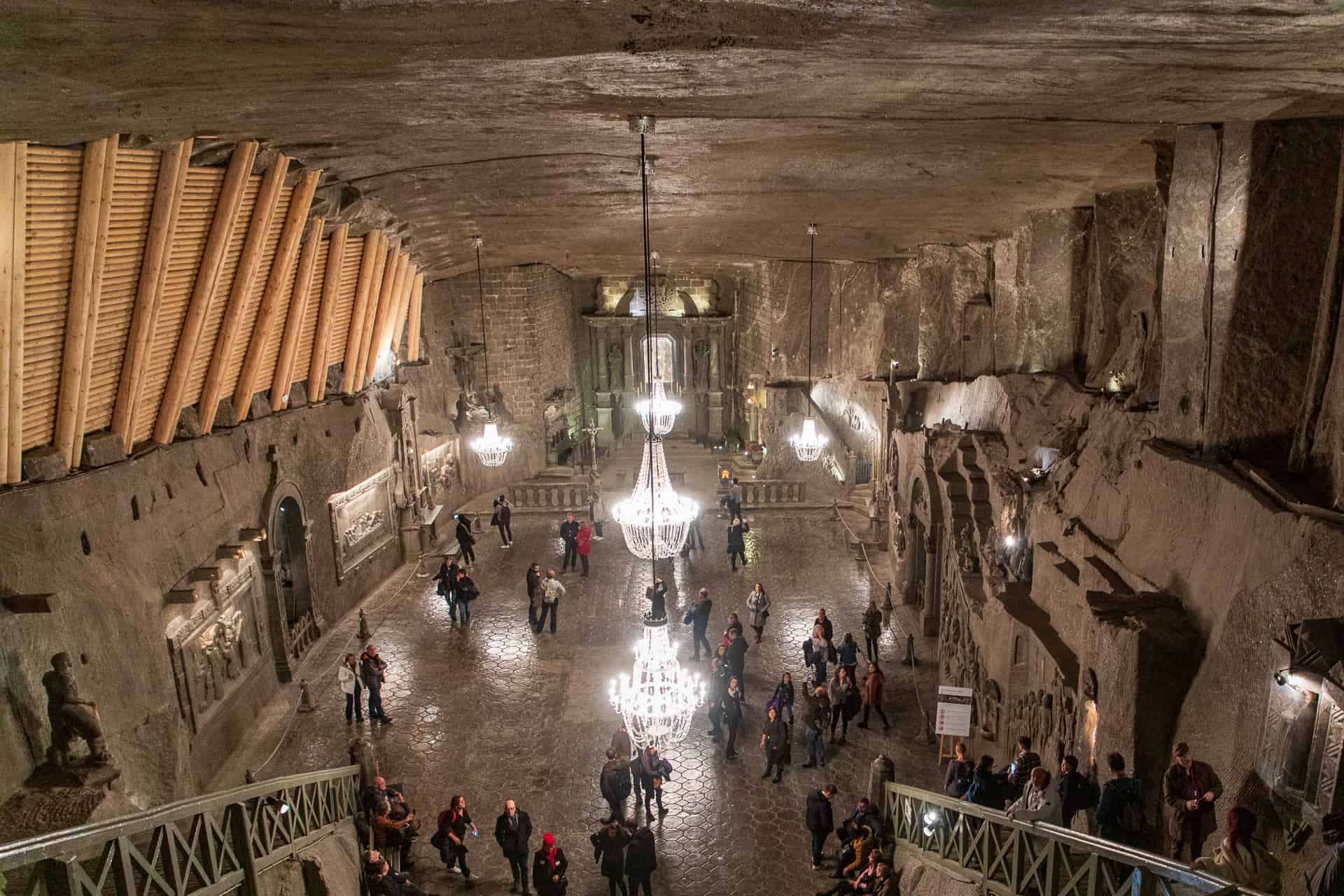
Nestled beneath the charming town of Wieliczka in southern Poland, the Wieliczka Salt Mine is a captivating testament to centuries of history and culture. Recognized as a UNESCO World Heritage Site, this remarkable underground complex has been attracting visitors for over 700 years, showcasing the rich Wieliczka history of salt mining. Travelers embark on Poland underground tours to explore an enchanting maze of tunnels, chambers, and stunning salt mine art, including the iconic St. Kinga’s Chapel. As one of the top Wieliczka attractions, the mine not only illustrates the evolution of mining techniques but also embodies the artistic spirit of those who toiled within its depths. Experience the grandeur of this geological wonder and discover why it remains a significant cultural landmark.
Beneath the surface of Wieliczka lies an extraordinary underground realm that draws the attention of adventurers and history enthusiasts alike. This renowned salt excavation site not only serves as a vital link to Poland’s industrial past but also as an artistic haven filled with intricate sculptures and remarkable architecture. Celebrated for its immense historical value, the salt mine offers immersive exploration opportunities that highlight both the technical advancements in salt extraction and the dedication of countless miners. Visitors can marvel at the unique features that comprise this underground wonderland, including majestic caverns and sacred chapels, all carved from sparkling rock salt. Today, Wieliczka stands as a prominent symbol of human creativity and perseverance, inviting all to delve into its mystical depths.
The Rich History of the Wieliczka Salt Mine
The Wieliczka Salt Mine boasts a rich history that dates back to the 13th century when salt extraction first began. This underground marvel quickly became one of the most significant mineral resources in Europe, deeply influencing the economic landscape of Poland. During the Middle Ages, the mine was a vital source of wealth for the Polish monarchy, earning it the esteemed title of a royal salt mine. As the demand for salt surged due to its essential role in food preservation, Wieliczka morphed into a powerhouse of industrial activity, illuminating the evolution of mining practices from a primitive trade to a sophisticated operation. The history of Wieliczka is not just a tribute to its mineral wealth, but also a testament to its resourcefulness as a community, employing countless miners while fostering advancements in mining technology and engineering over the centuries.
As the only source of salt in the region, the mine underwent continuous technological developments that ensured its sustainability and efficiency. The excavation techniques honed here over centuries have contributed to the intricate network of tunnels and chambers, making it an enduring icon of both cultural and industrial heritage. Today, the Wieliczka Salt Mine is not only a significant part of Poland’s history but also a UNESCO World Heritage Site recognized for its historical and cultural importance, drawing visitors eager to explore its depths and learn more about its storied past.
Explore the UNESCO World Heritage Site: Wieliczka
Designated as a UNESCO World Heritage Site in 1978, the Wieliczka Salt Mine is celebrated for its remarkable integration of nature, art, and history. This prestigious recognition is a reflection of the mine’s global significance, showcasing the evolution of European mining techniques over several centuries. As visitors navigate through its winding pathways, they are not only immersed in the fascinating world of salt extraction but also witness a living monument of human creativity—an underground gallery filled with countless artistic treasures carved directly from rock salt. The mine serves as a prime example of how industrial spaces can transform into culturally rich environments, with each chamber telling a unique story of the miners’ labor and artistry.
Wieliczka’s artistic contributions are as impressive as its historical significance. The craftsmanship on display, particularly in stunning structures like St. Kinga’s Chapel, underscores the profound connection between the miners and their work. Each sculpture and relief is not merely a testament to the skill of the artisans but also a reflection of the spiritual and social life of the miners. By becoming a UNESCO site, the Wieliczka Salt Mine highlights the value of preserving such cultural landmarks, ensuring that future generations can appreciate the incredible legacy of Europe’s mining heritage.
Underground Marvels: The Attractions of Wieliczka
The attractions within the Wieliczka Salt Mine are both captivating and diverse, drawing in more than a million visitors annually. From awe-inspiring chambers to unique underground lakes, every corner of this hidden treasure showcases the richness of its subterranean world. Visitors can explore vast salt-carved chambers and intricate passageways that encapsulate centuries of mining history. Notably, the breathtaking St. Kinga’s Chapel stands out for its grandeur, with stunning salt sculptures and elegant chandeliers made from salt crystals, offering a surreal experience unlike any other.
In addition to St. Kinga’s Chapel, the mine features numerous other sculptures and art installations, showcasing the creativity and dedication of the miners over the centuries. Visitors can also witness underground lakes that enhance the enchanting atmosphere, their calm waters reflecting the salt-carved walls that surround them. Every aspect of the Wieliczka attractions reinforces its status as a leading destination for underground tours in Poland, blending natural beauty with a historical narrative that captures the imagination of all who descend into its depths.
Salty Spirituality: The Art of the Salt Chapels
The chapels within the Wieliczka Salt Mine are extraordinary sanctuaries carved almost entirely from rock salt, with St. Kinga’s Chapel being the crown jewel of these creations. This magnificent chapel features remarkable artwork, including detailed sculptures of saints, intricate wall reliefs, and an altar entirely constructed from salt. This sacred space not only serves as a religious site where ceremonies still take place, but it also showcases magnificent craftsmanship that transforms the harshness of a working mine into a place of worship and reflection. Beyond their functional role, these chapels symbolize the deep spiritual beliefs of the miners who worked within the depths.
The artistry found in the salt chapels offers insights into the lives and struggles of the miners, acting as a bridge between their labor and their spirituality. Each carving tells a story, reflecting the socio-cultural connection of the time, making these chapels not only places of worship but also repositories of history and art. The ongoing preservation of these chapels ensures that the legacy of the miners and their artistic expressions remains alive for future generations to appreciate, making them an integral part of Wieliczka’s rich heritage.
Engineering Marvels: The Structure of Wieliczka
Among the many impressive features of the Wieliczka Salt Mine are its well-preserved engineering marvels that showcase the ingenuity of its miners. Throughout its history, various systems were developed to manage the complexities of underground mining, including ventilation shafts, drainage systems, and hoisting equipment, all meticulously crafted to ensure safety and efficiency in salt extraction. As visitors traverse through the mine, they can witness these historical technologies firsthand, illustrating not only the practicalities of mining but also the innovative spirit that has characterized the evolution of this underground world.
The engineering accomplishments of the Wieliczka Salt Mine also speak to the broader context of mining throughout Europe. By preserving these structures, the mine offers valuable insights into the technological advancements that propelled the industry forward. It acts as a living museum, enabling visitors to gain a deeper appreciation of the engineering techniques that have developed over the centuries. By emphasizing these features, Wieliczka continues to honor its legacy as an essential site of cultural and industrial significance, merging the art of engineering with the beauty of its natural surroundings.
A Unique Journey Through the Wieliczka Salt Mines
Visiting the Wieliczka Salt Mine provides a one-of-a-kind journey that combines history, art, and natural beauty. The experience begins with a descent down into the depths of the earth, where visitors are greeted by awe-inspiring salt chambers tinged with history. The carefully guided tours reveal the extraordinary transformation of the mine from a functional workspace into a celebrated cultural landmark, allowing visitors to understand the practical as well as the artistic importance of the site. Notably, the blend of fascinating guided narratives with the visual wonders of the underground chambers truly enriches the tour experience.
Moreover, the health benefits attributed to the mine’s unique microclimate further enhance its appeal. Visitors often partake in wellness programs, leveraging the reputed healing properties of the salt-rich air, particularly beneficial for respiratory conditions. Such combined offerings make the Wieliczka Salt Mine more than just a tourist attraction; it is a holistic cultural experience that ultimately fosters a deeper connection with Poland’s rich heritage and the importance of its underground treasures.
Wieliczka and Bochnia: A Historic Mining Narrative
The Wieliczka Salt Mine, along with the Bochnia Royal Salt Mine, tells an extensive story of salt mining that spans over seven centuries. Both mines present a comprehensive account of the evolution of mining technologies and techniques, offering an unforgettable glimpse into Poland’s industrial past. While Wieliczka is renowned for its intricate carvings and religious chapels, Bochnia complements this narrative by showcasing different stages of technological progress in the mining industry. The partnership between these two sites has been recognized by UNESCO, further solidifying their importance in highlighting the rich, intertwined history of salt mining in Poland.
Exploring both mines provides a broader understanding of how these underground complexes operated and influenced local economies and cultures. Together, they offer valuable information on how salt mining shaped the region and its people. As visitors trace the subterranean history of salt extraction, they realize that these mines are not just geographic landmarks but also pivotal chapters in the larger story of human ingenuity and adaptability, deeply rooted in the history of the nation.
A Testament to Human Ingenuity and Artistry
The Wieliczka Salt Mine stands as a stunning testament to human ingenuity and artistry, demonstrating what can be achieved when labor and creativity converge. Over the centuries, generations of miners dedicated not only their efforts to salt extraction but also their artistic talents to create a breathtaking underground landscape. The array of sculptures, chapels, and intricate designs etched into the salt mines reflects not just technical skill, but also the profound beliefs and hopes of these workers, transformed into lasting legacies that continue to inspire awe.
Visiting the Wieliczka Salt Mine is a powerful reminder of humanity’s ability to create beauty in even the most demanding environments. The artistry within the mine emphasizes the importance of preserving such sites, as they encapsulate both the hard work of past generations and the rich cultural heritage of Poland. By celebrating these underground masterpieces, we honor the intertwining of industry and art while ensuring that this unique history is passed down through generations.
Frequently Asked Questions
What is the history of the Wieliczka Salt Mine?
The Wieliczka Salt Mine, located in southern Poland, has a rich history dating back to the 13th century when rock salt mining began. It operated continuously until 1996, evolving into a major source of wealth for the Polish Crown and becoming one of the largest industrial enterprises in medieval Europe. Its significance extends beyond salt extraction, reflecting the evolution of European mining techniques, which ultimately led to its designation as a UNESCO World Heritage Site.
| Feature | Details |
|---|---|
| Location | Wieliczka, southern Poland |
| History | Operated for over 700 years, with mining starting in the 13th century and ending in 1996. |
| UNESCO World Heritage Status | Inscribed in 1978; recognized for documenting European mining history and techniques. |
| Main Attractions | St. Kinga’s Chapel and numerous salt sculptures carved by miners. |
| Engineering Marvels | Features underground lakes, historical timber reinforcements, and advanced mining infrastructure. |
| Tourism | After ceasing salt extraction, it transformed into a major tourist destination. |
| Cultural Significance | Reflects the interplay of history, religion, and art in an industrial setting. |
Summary
Wieliczka Salt Mine is more than just a historical site—it’s a wondrous underground realm that reflects centuries of human endeavor and creativity. Nestled beneath the quaint town of Wieliczka in southern Poland, this UNESCO World Heritage Site showcases a breathtaking complex of tunnels and chambers, all intricately carved from rock salt. From the stunning St. Kinga’s Chapel to the impressive sculptures created by generations of miners, every corner of this mine reveals a unique fusion of artistry and engineering. The mine’s rich history highlights the evolution of mining techniques over seven centuries, marking its significance not just in Poland but in the broader context of European industrial heritage. Today, Wieliczka Salt Mine stands as a testament to human ingenuity, attracting countless visitors who are eager to explore its hidden depths and marvel at the intertwining of nature, history, and culture.